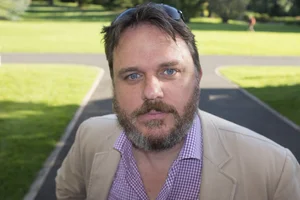
Atkins Labcast: Episode 63 - Robin Sellick, Iconic Australian Celebrity Portrait Photographer.
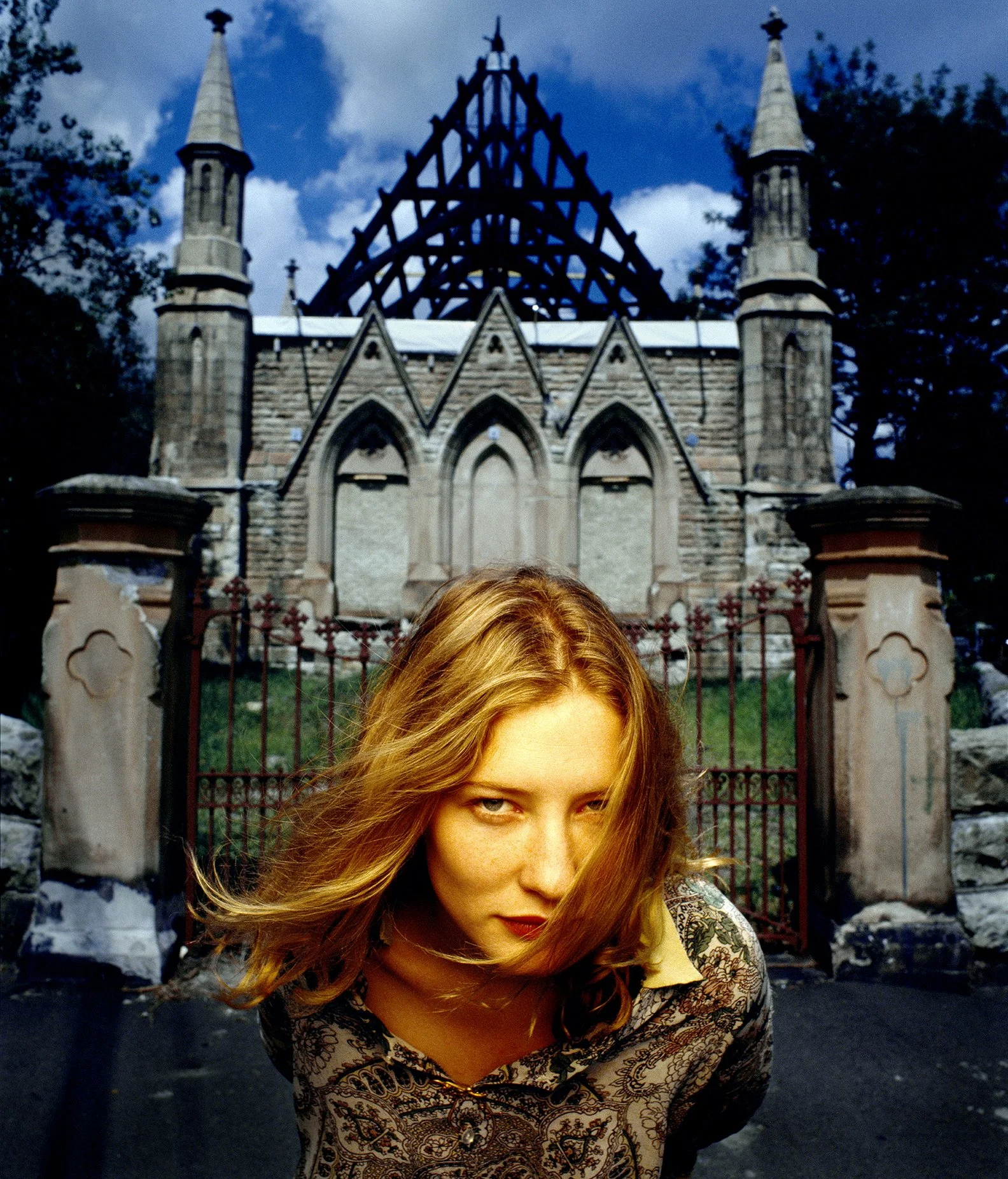
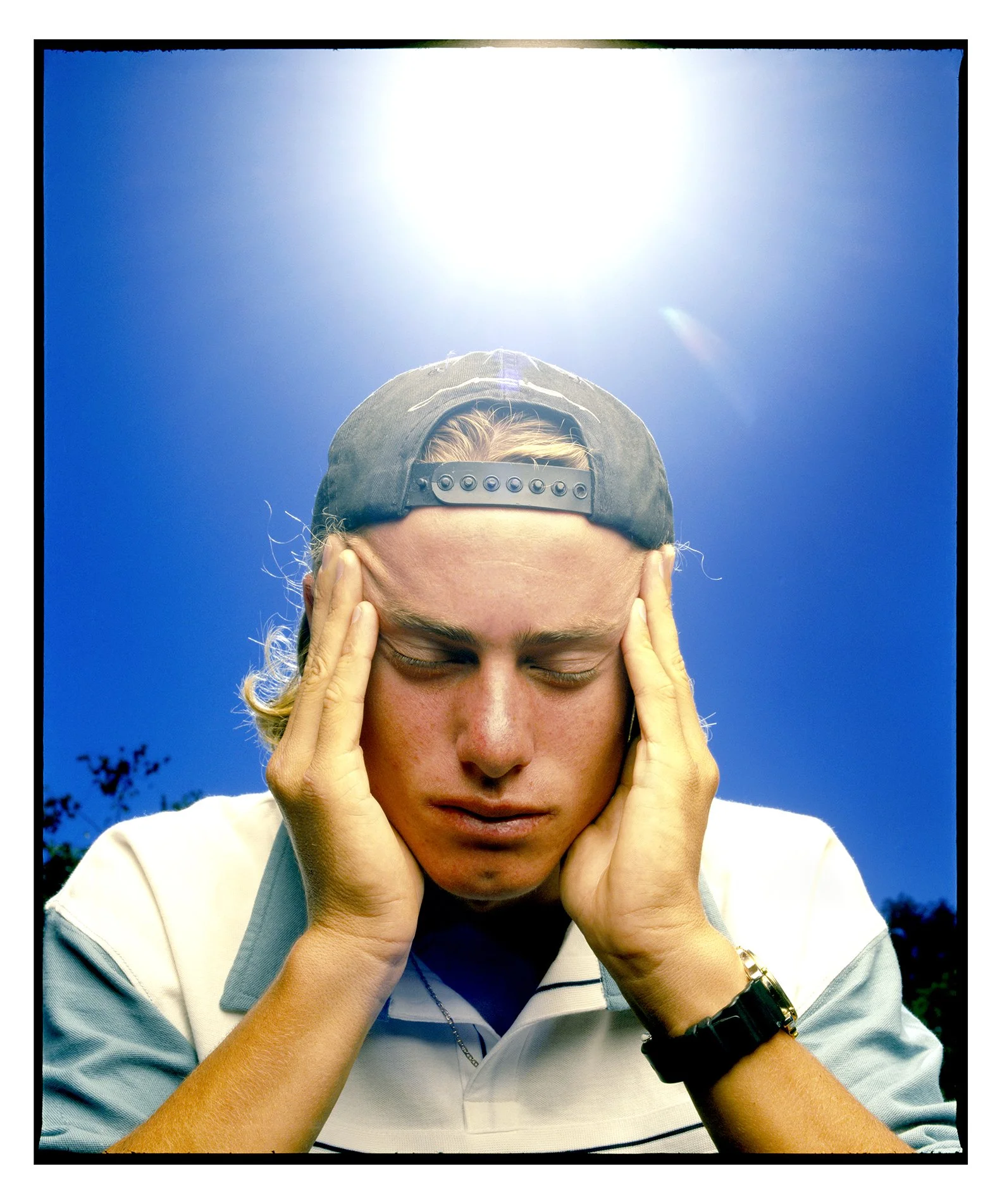
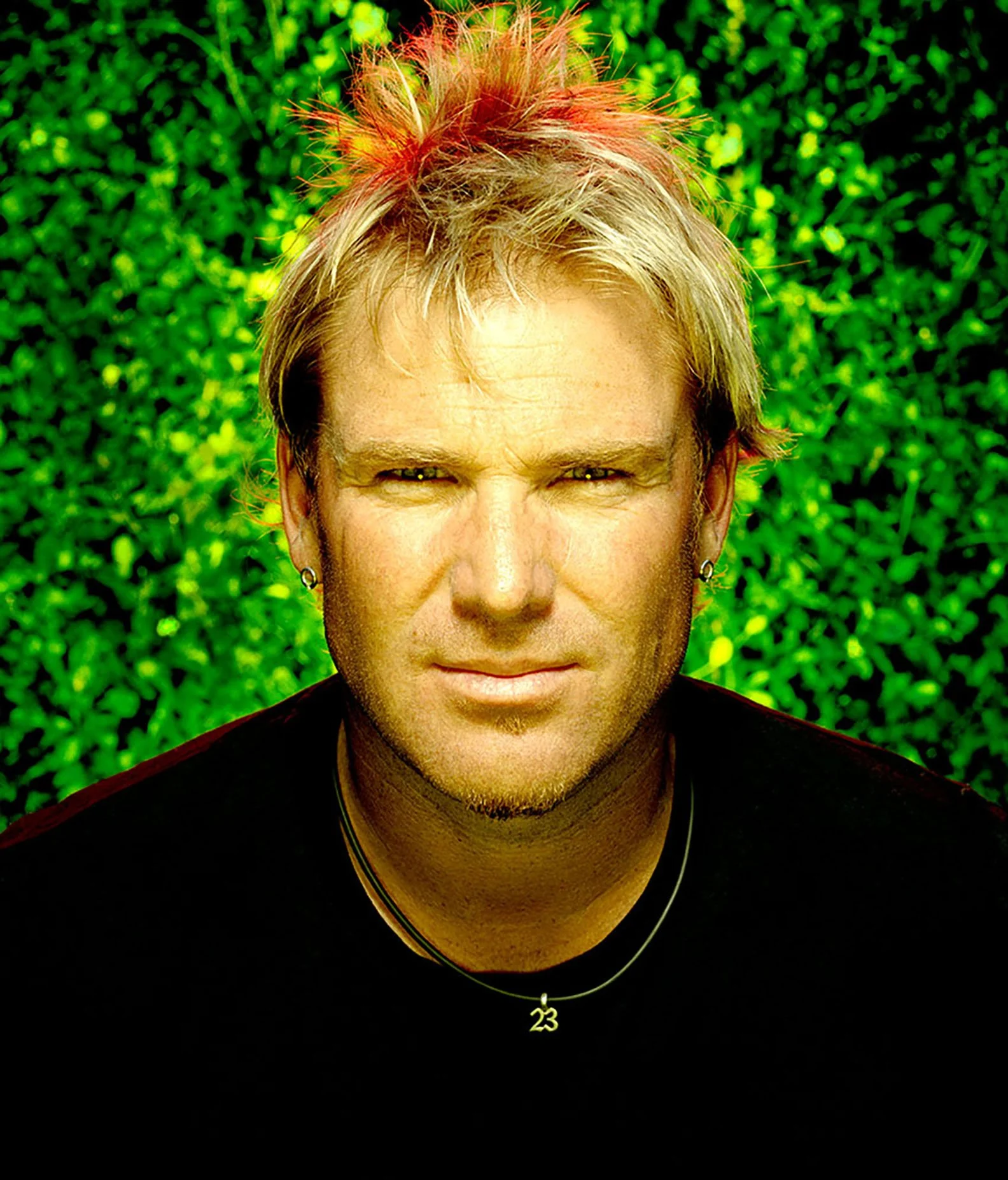
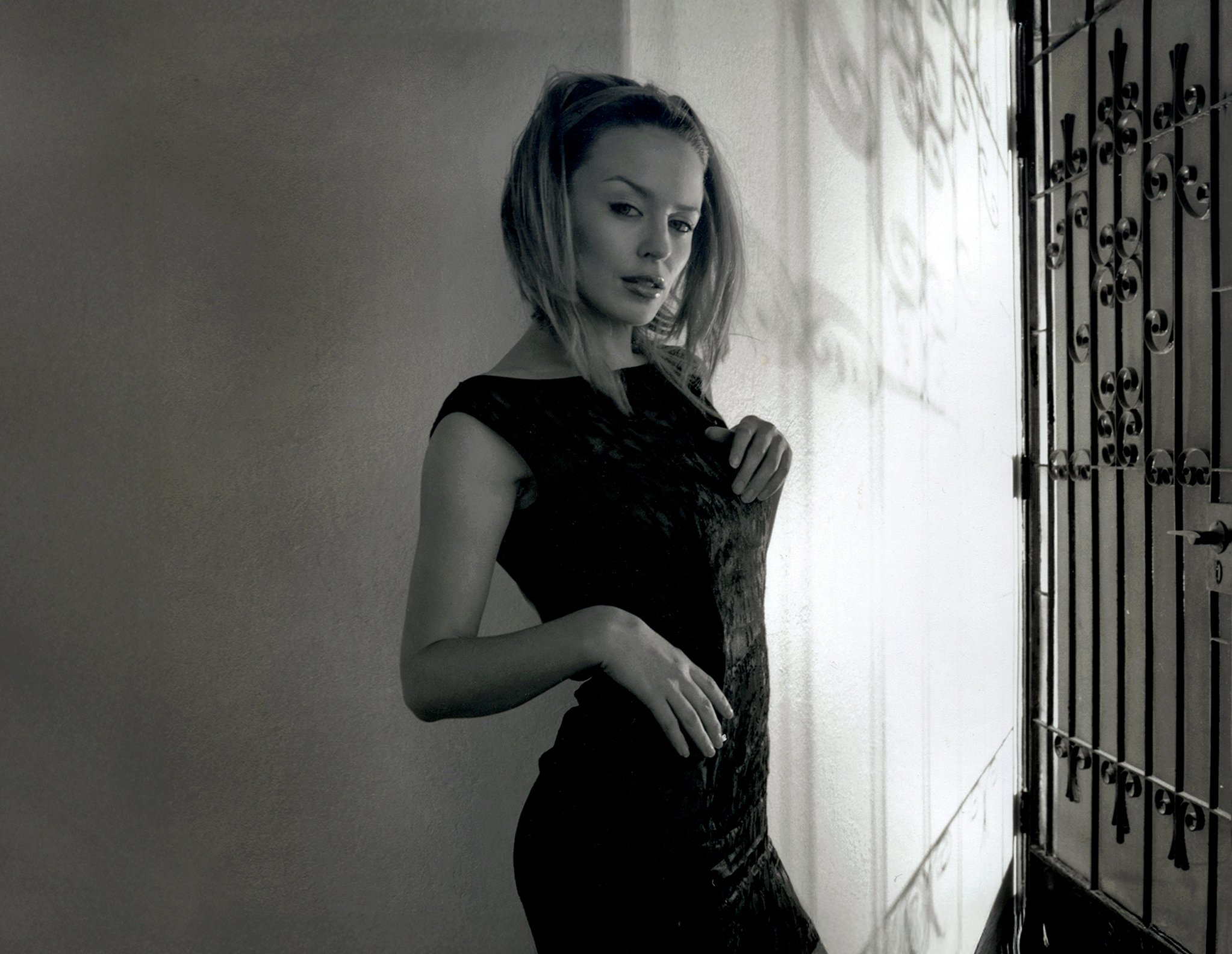
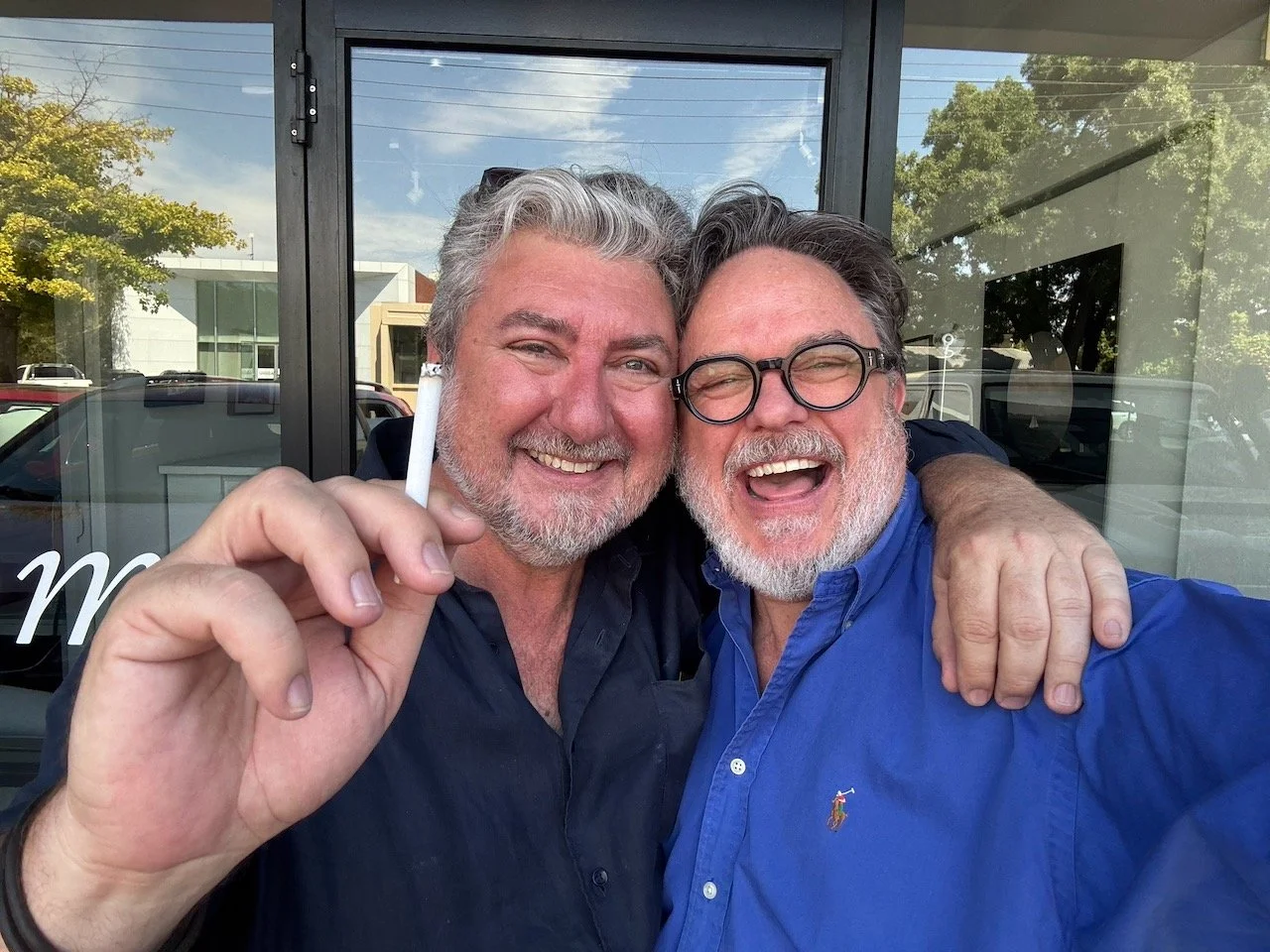
Paul sits down with Robin Sellick, an incredibly talented portrait photographer.
Robin's photography of Australian celebrities through the 1990s and 2000s spread a cultural energy that hasn't been seen since. He has had time away from the kind of photography that defined his career and has thought deeply about it. We discuss this and more together here on Kaurna land.
Helpful Link:
Robin's website:https://thesellickarchive.com.au
Instagram: @robinsellick
Robin's upcoming workshop:
Photographic portrait artist Robin Sellick is running a rare full-day workshop at Broken Hill City Art Gallery on March 1. His work is held in major national collections and his portraits are recognised for their psychological clarity and strong sense of place.
Rather than focusing on gear or technique, the workshop explores perception, judgement and why some photographs endure over time while others don’t. It’s a small-group format designed for photographers and creative practitioners interested in deepening how they see.
Instagram & websites for photographers making great portraits in the international market.
Elizaveta Porodina (Russian): @elizavetaporodina - https://porodina.com
Jack Davison (British): @jackdavisonphoto - https://www.jackdavison.co.uk
Frank Ockenfels III (US): @fwo3
Brett Walker (British): @photobrettwalker
Phillip Montgomery (US): @philipmontgomery - https://www.philipmontgomery.com
Young guys doing well in the American market:
Pari Dukovic: @paridukovic - https://www.paridukovic.com
Tyler Mitchell: @tylersphotos - https://www.tylermitchell.co
Follow if you want to keep up with the pointy end of editorial portraiture photography in the US
Kathy Ryan: @kathyryan
Sarah Meister: @thesarahmeister
Young guy with a great page to learn about photography
Jared Tapy: @jaredtapy
Apple - Spotify - Buzzsprout
Transcript
Paul Atkins: 0:13
Hello listeners. Welcome to another episode of the Atkins Labcast. This episode I interviewed Robin Selleck. Robin came out of Broken Hill, which is a very remote, probably one of the most remote cities in Australia. He came out of Broken Hill like a bullet out of a gun back in the 90s. And he set about initially just working as a wedding photographer, but then he set about photographing celebrities. And I don't think there was a bigger celebrity photographer at the time. And then some stage Robin just stopped working. And it's been a while since he's actually, you know, sort of chased that work again. But he's been back in Broken Hill and back in Adelaide doing all sorts of things. And I know a lot of people in Adelaide are all like, oh, what's Robin up to? What's he doing? And where's he been? I gotta say, uh, the interview is is great. He's he's probably one of the most intelligent people I've ever spoken with. He really has thought about the industry and his work. And um, you know, I think that's a big part of his talent is his intelligence. So I hope you can sit back and enjoy this episode. There's a lot of great stories in it, and more importantly, there's a lot of great photographs for you all to go and have a look at. So we'll post a few promoting this, but do Chase M up on his website. Also, I should say that he's running uh some classes, and I think that would be incredible if you're an upcoming editorial portrait photographer. Uh his yeah, he really knows what he's doing, he knows why he's doing it. Um, yeah, it's a great interview. Enjoy.
Robin Sellick: 2:11
So, Robin, you're thinking about making new work? Well, I'm struggling with it a bit. I think um uh they say you should uh dance like no one's watching or sing like no one's listening, and so I should really go and take photographs like no one's gonna see them. But you know, what's this next body of work about? And uh and and where is it gonna be able to go so that it has the most impact, so that's so that it's got the most relevance and impact. Uh, so the outcome is strong, you know. So I don't want to take pictures for the sake of taking pictures, although I do that, I get my phone out and just take photos and entertain myself sometimes. But uh uh going and shooting portraits for me is a really intense thing. There's a I I believe there's an enormous responsibility when you shoot portraits, and particularly if you're shooting portraits of important people, uh you want to, you know, you've got to really approach it in a serious way. You've got to bring everything you've got to it, you've got to have something to say. Um and I'm just not clear yet on what it is that it that I can say about Australian culture uh that's going to resonate with people who appear to be much more interested in going to the beach and watching cricket. Yeah, yeah. Uh I've I for a long time I was really uh my my campaign in early in my early career, my whole career was about uh creating an an Australian style of photography, a style of photography that's intrinsically Australian. You know, what is Australian photography? We know what Australian architecture is, Australian music, Australian writing, Australian cinema, but what's Australian photography? And I it just talking about the past, uh, I could never see um any evidence that the work uh that people were doing around me uh uh represented or reflected Australian culture or said anything about Australian culture or created a an identity within photography that reflected Australian photography, reflected Australian culture. Yeah. Uh and I'm still that's still where I think the importance is, you know. Um I uh over the years I think I've come to terms with the fact that it's not Australian photography. I'm disappointed with it's Australian culture that I'm disappointed with and that photography is just a reflection of that culture. Of course, absolutely. So uh, but but that doesn't mean I need to jump into that. Yeah, yeah. I really feel like I've got more to offer in terms of saying something about um you know who we are as a nation and as a culture and choosing people to photograph and and saying something you know relevant and uh interesting about each of those people, and then that those pictures joining together to collectively say something. So it's a big they're big ideas, but that's how I approach my work. Otherwise, you're just taking photos for fun or for yourself. And I I think there's a lot of power in photography. I don't think that in Australia we uh use photography as the powerful tool that it is to express important ideas. But again, I come back to the the culture. I don't know whether we're very good as a as a culture in uh engaging with big ideas and having those conversations. I don't think we're still a bit of an adolescent.
Paul Atkins: 5:10
We are very much so compared to pretty much the rest of the world. Yeah, so uh made a bit of peace with that, but that doesn't mean I I agree with it. Did this this force for uh understanding and recording culture and being interested in it? You're a Broken Hill lad. So Broken Hill's a fairly small town, yeah. Very, very remote. I mean, our mutual friend Doug Banks said he walked as far as he could dragging his oars on land because he was a merchant seaman. Yeah, yeah, that's right. And where he got sick of carrying them and he dropped them, he said that's where I'm gonna be. Yeah. Um, and it really is a really interesting, but it is a tight culture. And that that last book you did, is it the last book you did? Yeah, yeah, on um I can't remember. Life and Times in the Republic of Broken Hill. In the Republic of Broken Hill, which really sums it up beautifully. That is the the culture of Broken Hill just drips from the pages of that book. Is that what formed your strength for for chasing culture? Because you would have left that place. And did you feel you saw that strength of culture everywhere you went in Australia? Or was it always a bit diluted?
Robin Sellick: 6:09
Well, uh well, back in those days when I was very young, even before I uh when I first took up photography. So what what when was that? 14. 14. So uh uh 1980. I don't know, it was all in black, it was a very long time ago. That must have been 81, I guess. 81, right? Um I mean, I was surrounded by very big characters then. I mean, I was younger, but I I I know that those people had you know big personalities. There were strong, interesting people, uh, you know, all sorts of different unusual characters. Their personalities were big. And that's what excited me. And I compared those people to the people I saw in magazines or on television or uh out there in the world, you know, those other big characters. And I so that was the connection for me. It was like, okay, I can see that these are the same kind of people, and and and I was interested in them and I wanted to photograph them, and that's kind of why I got into celebrity photography because I'm uh because I was very interested in people.
Paul Atkins: 6:58
Yeah.
Robin Sellick: 6:58
Um, the Broken Hill thing, uh getting back to the Australian thing, I I I believe Broken Hill is a is somewhat of a microcosm of of Australian culture or a or a fractal, if you like. It's the same thing in detail but on a different scale. So small, isolated place in the middle of nowhere. You know, you can say that about Australia, you can say that about Broken Hill. Oh. And the and the challenges are the same. The isolation in a place like Broken Hill is really what's uh physical isolation is its biggest challenge. And it and it's sad to see it now because uh it's really gone downhill badly. Has it? Yeah. Really in the last sort of 40 years, particularly in the last 15 or so.
Paul Atkins: 7:36
So what do you what what's what's the reason for that?
Robin Sellick: 7:39
Uh it uh I think I thought deeply about this for a long time, but it it didn't change when they got all the television stations that the cities had. I thought that might make a difference. It didn't it didn't change when the internet came through. That didn't change it. Nothing's changed it. Nothing's none of the technology has ameliorated its uh its uh the the the challenge of of physical distance. So because that's so far away, you don't get a constant flow of new people, new ideas, new ways of thinking, new ways of doing things. You can't go to the next town, which is 30 minutes away and go, they're doing it differently over there. Maybe we should have a look at that. There's none of that. And so uh they have no new ideas. It's very hard for them to see the future, so they go back to the past. So they live in the past. There are a lot of people in Broken Hill who genuinely believe that the way forwards is backwards. It would just be better if everything went back to the way it was 30 years ago and that'd be great. And a lot of people live in the past up there. And uh sadly, uh it because there's no new uh energy coming through, uh, and people who do come in, the romantics who come to set up businesses and so they find it very hard because there's a huge resistance to change.
Paul Atkins: 8:48
You know, you saying that you feel that you what you think it's Australian culture, you said that right back at the beginning, that maybe missing not photography. That does sound like someone, one of those people who broke it here, doesn't want to change and doesn't want wants to go back. That's not you though. No, no.
Robin Sellick: 9:05
Look, I think there's a bit of that general thing. If you look at the um the creative process, or what people call it the the stages of life. So the there are the creative process you can break down into four things, which is mimicry, experimentation, commitment, legacy. So it's like when you learn to speak or you learn to play an instrument or whatever. So mimicry is the first step. So using photography, let's say you're passionate, you love photography, you love looking at photos, you really like Richard Avidon's work, and you really like this person's work, and you go, I'm gonna take some photos. I like the way he lights that. I wonder how he did it. I'm gonna try and and see if I can light the same way that he lights, and you sort of work it out and you and you you uh you work out the technique and you can kind of do it. So you're mimicking what you admire, and then uh you continue to mimic it and mimic it um until you've kind of got it. And then you go, okay, well, what if I just now I've kind of got this a bit, why don't I just try adding a bit of that? Or what if I try just spending it that way and you experiment with it and adjust it and develop it and get it to something that you go, oh, that I really like that. I really like when I keep doing that. And you keep doing it, you commit and you keep doing it uh in your work, and it bec over time it becomes a part of your work, it becomes a signature of your work, and then it becomes part of your legacy. So that's effectively the creative process. Right. And I think in Australia, unfortunately, particularly in the arts, um, we uh do the mimicry part, but then when we get to the experimentation part, not many people sort of go far into that. And we're afraid, do you think, or I think we set out, you know? I our hopes too low. I think the uh I know that uh I'm not as informed about Australian photography as I was 20 years ago. But certainly 20, 30 years ago, it was very obvious that success in photography was taking a photograph that looked like a photograph that somebody else had taken somewhere else. Gotcha. Like literally that was what success looked like. Uh and I know that I got a lot of my breaks early on because I'd worked for Annie Lieberwoods in New York, and I came back and they said, Oh, can you take some photos that look like Annie's? So I ran around to and there's flash outdoor things, right? Uh, which was great. I loved it, it was great, but uh that's how I sort of got in, and from there I was able to sort of push the magazines and the out directors in different directions and sort of take it somewhere. But um and I think that still is more or less the case. I really can only talk about photography.
Paul Atkins: 11:20
And that was a very unique era when you were doing that work. Yeah. I mean, I sometimes I think, and you know, you look at um people like Richard Branson and and you know, they write all their books on the success and how they've done such a great job. Reality is there's a lot of timing in on that as well. Yeah, it is. And you were at a very unique transition time in the in the world. Yeah. Um, you know, where you were digital was being talked about and and you know, it was happening, but you know, you were doing some unusual things with transparency film and cross-processing, creating some effects and looks, and photographing a generation of artists and where really there hadn't been as much colour media. And so your stuff really, really stood out at that stage. Do you think that's been a like a I don't know, a bit of a stepping stone for you that uh if you started today, you wouldn't have that stepping stone?
Robin Sellick: 12:05
Well, it's it's about being in the right place at the right time, and and in in many ways, photography teaches you to be in the right place at the right time. That sort of cardiac breast on thing, you know, the decisive moment. Timing is a big is a really important part of photography, your intuition. And so you know, luck is when you're in the right place at the right time.
Paul Atkins: 12:21
You've got to make that. You've got to be prepared, you've got to have the gear, you gotta you tune into it or whatever it is.
Robin Sellick: 12:26
When I first came back from New York, it was uh the beginning of '94.
Paul Atkins: 12:29
So hang on, you left what what got took you to New York?
Robin Sellick: 12:32
Let's be uh I uh won a lot of awards in Australia through the uh the ARPP. Oh, that's right.
Paul Atkins: 12:38
And uh so you're just shooting portraits, you're working for a studio here. You worked for a studio in Broken Hill. Yep. Doug Banks is a wedding portrait guy. That's right. Moved to town, you worked for Norm Weedle Gainsburg Studios. Yep. And then what happened after that?
Robin Sellick: 12:50
Uh uh through uh working with Norm, who taught me an enormous amount. Um, I was fortunate enough to win uh the two biggest awards in Australia for portrait church two years in a row. And uh in between I went to America because Australian photography back then, you'll remember, was very derivative of American. Yeah. And you'd get all the American guys coming out doing all these seminars, and they had this new lighting technique, and we'd all get and people, and that was basically where Australian wedding portrait photography uh was. It was uh in the late 80s, early 90s when I won these awards, uh, very derivative of that sort of 1970s uh American photography. I went to America in between those two years and visited, you know, Frank Crickyo and uh Dean, all anyway, all those people. Dean Collins. Yeah, that's right. And uh there was a guy out in uh Charis, Michael Charis, I think his name was anyway. Uh a lot of that. And I did a couple of courses at Winona, which was this big college in uh Chicago. Uh so that was kind of that was the most that was a yardstick for Australian photography. So I went and did that. Don't really know if there's much here for me. It's pretty stayed out there, isn't it? I don't know what it's like now, but it certainly was then.
Paul Atkins: 13:57
And I I think I don't think it's it's such a population, they can get away with doing the same thing. Yeah, there are still leaders. Yeah, but I reckon proportionate-wise, I think other countries are putting out more interesting work.
Robin Sellick: 14:08
I think so. I mean, I got uh getting back to the Australian identity thing, I really feel that uh the cre creativity is influenced by location, you know. So we talk about what's an Australian style of photography, you know, what's an American style, what's a French style. So each culture has its own sort of visual language and so on. Um there are some people around the world doing very fascinating work. It's great about nowadays because you know you can jump on Instagram and you can see some amazing photographer from, you know, Luxembourg or Iceland or whatever, and you've yeah, there's some beautiful stuff around.
Paul Atkins: 14:39
But um well, I've just throwing you in the track. You came back from the US because of the multi-awards here and that led you to go over there. Did Norman connect you with Liebewitz or how did you find Annie?
Robin Sellick: 14:51
How did you uh get a gig assisting for one of the greatest portrait photographers? On that first trip, so it must have been between the two uh years. Uh I I was really looking for what I was gonna do next. And I uh one of the things I did was I got went up to Rochester in Dakota gets from and uh the Rochester Institute of Technology, and um they had a particularly good photographic course. And I thought, look, I'll go out there and just see maybe that's something I could do. Uh and I arrived there and uh I met the woman I was gonna meet. She said, Look, you won't believe this, but uh you've turned up on the day that Annie Lieberwitz is here. Um she was in the in the library, she was doing a book signing. Yeah, and then she was giving a lecture there that night. So it was just you know, pure luck. I was there on the on that day. Wow. So I remember racing across the the football field and getting buying a book and I met her really briefly. I was really nervous. And then I went to the lecture that night, and that was really uh transformative for me because she spoke about all the things that I think about. I could completely understand where she was coming from with the way that she approached work and the challenges and the things, and I thought, wow, that's you know, something that seemed, you know, like far away that that was untouchable suddenly. I okay, I get that. I, you know, and that gave me a lot of confidence to think, okay, well, I can get into this thing that I always thought I'd love to do, uh, but never could see the way in, you know. So that changed my thinking. And I went to Europe for a while, came back, won the other awards. Uh, and then I uh I got a little bit of whenever I'd get some press, I'd send it to her studio. I got her got her phone number and uh address. And pretty much every month I would mail something because it's annoyed four days, yeah. Yeah, yeah. Um that's great. And I'd ring every now and again and you know, hi hi, it's Robin. I'm calling from Australia. Can I speak to Annie? And of course nowadays you get emails from you know, princes in Uganda that want to give a million bucks. But those days someone's calling from Australia, they take the call, you know. So anyway, I ended up uh developing a relationship with a first assistant, and uh, I'd ring and I'd ring. And one day I rang, it must have been like January, you know, uh hi, it's me again just when I because it keeps saying, just ring back, just ring back. That persistence. And uh and he said, you know what, uh, we need two new assistants. When can you be in New York? So I sold everything. Tomorrow. Yeah, I sold everything I had and jumped on a plane and went to New York and uh met her and uh went to a studio in Van Damme Street and um met with her. She liked me, she liked my work. Uh what had happened was she hadn't seen your work up to that point?
Paul Atkins: 17:15
No, no, no. I assumed you were your portfolio was on your back when you went to Rochester.
Robin Sellick: 17:20
No, I didn't at all, no. Right, right, right. So um I uh it was a bit of a heavy scene one day. She'd had um an Australian guy called Mark Nay working with her as uh her first assistant, and he died of a drug overdose, right? Which is why uh they got me to come over because he left he needed to be replaced, and the second assistant also left. So she brought on two new people. One of them was Martin Schroller, who went on to be a famous photographer. Uh, and uh and she didn't like the other guy very much, so she got me to hang around with a view to maybe replacing him. So there's a bit of tension there, obviously.
Paul Atkins: 17:55
A bullpen.
Robin Sellick: 17:56
Sorry, a bit of a bullpen, you know, where you know, fighting for the position. It was, yeah. I was very naive to all that sort of stuff, and it sort of bit me later, but I'll tell you. But um, but anyway, uh also uh I was Australian, I looked a little bit like Mark who'd passed away, and so everyone was still grieving. So I you know it was uh very emotional, quite intense period, and I was, you know, carrying Annie Leibwitz's bags, it was pretty sore very wow. But anyway, I did it for um about six weeks. Martin was particularly keen to get rid of me. And uh and I just thought, well, look, I've and I was running out of money and uh she couldn't pay me because I didn't have a visa, you know. So um I thought, well, look, I've been working for Annie Leibwitz for six weeks. Um, why don't I just go out and work for other people? Because I can the system was I could work for someone for three days without a uh car number. Green card finger, yeah. Uh so anyway, I I just went and got the white pages in New York. There was a a place somebody got told me where it was, where all of the white pages for America were. This is little sort of you know, phone thing. And I went in there and I got the Manhattan white pages and I paid for Everdon. And you worked down for it. I did, and they're all on the phone book. They were all in the phone book. So I rang them all, you know, said, hi, I've been working with Annie Lieber with some can I come and talk to you? I'd love to come and assist. And they all said yes, because they wanted to know what was going on in the studio. Oh, of course. So I met everybody and uh it was amazing. I got to work with uh all sorts of uh with Mark Seliger and Mary Marianna Mark and I met Irving Penn and um Arnold Newman. Uh like a one of me amazing. So uh so these are the 90s. This was uh 93. 93. Uh so that obviously gave me a lot of confidence. Portrait photography in Australia, like the magazine scene, uh there wasn't really anybody doing strong portraiture. There was Tim Bauer and um Stuart Spence. I didn't I I knew I could do better work than them. And there wasn't really anybody else. A lot of the portraits were done by fashion photographers, so were there you know, somebody in the shade, basically. Yeah. Um and you know, other people in New York encouraged me to do the same thing. So I went back, maybe to Australia, went to Sydney and sort of went flat out headfirst into the magazine industry and just and it just went kaboom. And uh suddenly I was shooting for everybody and and really getting to make a difference. And getting back to your point before about colour using the uh the colour techniques of one of the techniques I learned in New York was from Mark Seliger, who had learned it from Annie. Um, and she'd created it for Rolling Stone magazine back in the very early days. So her weekly, when I when it when I started working for them, was being printed on newsprint. So it sucked in all the ink, so all the pictures were very flat. And uh similarly, that's that was a situation at Rolling Stone for Annie years ago, and she developed this flash technique, this outdoor flash, where you uh saturate the colours slightly and you create more contrast. And so the image being printed on newsprint is is oversaturated and it sort of pops and it looks better, you know. So I applied that same technique for who weekly, and the first shoot I did that with was Kate Blanchett.
Paul Atkins: 21:02
Right.
Robin Sellick: 21:02
And so I was I worked closely with them for quite a while, particularly Her Weekly, as they went from being this sort of you know, newsprint thing into a glossy magazine. The whole magazine industry in Australia was it's timing again, was uh very rapidly trying to grow to catch up to its American cousins to become a sort of glossy industry. So I arrived right at the right time.
Paul Atkins: 21:25
Great, that's amazing. The so Blanchette was the, and I think a lot of us have seen that, and I'll make sure that the links are all these in the show notes, but she was the the one that sort of opened the doors, do you think, for all the other celebrities that she started m moving around photographing?
Robin Sellick: 21:41
Uh no, not really. I think um I was doing pretty well by the time I uh met her. I'd only been there like six months, but uh the thing uh the the style of photography was uh uh was what I um used in that portrait that sort of helped with the magazine. But like Kate, um before I met her, she was she was doing really well in theatre in Australia and she's obviously incredibly talented. And so she's being sort of encouraged to go to America. She'd never been to America. And she was just about to go and make her first trip to America to just to meet people and wow and, you know, have a look around and see what she thought. But she really wasn't into it. And um I'd just come back from New York. So I remember speaking to the people before I shot and they explained all this to me. And so she was just this actress that I met um who was clearly very good. And you know you can identify that within people when you meet them and um but she was anxious about going to America. So I was telling about you know my time in New York and LA and LA's different to New York but look you'll be fine you know don't worry about it. You're going to be absolutely fine. And you'll get lots more encouragement over there than you do in Australia. You've got the tall poppy syndrome here. You haven't got that in America they all want to see you succeed you know so uh anyway we had a nice moment when we were when we were shooting and some nice conversations I haven't seen her since but uh you know that was that was a nice experience.
Paul Atkins: 23:04
So do you find yourself uh at ease talking with these people you don't you you're not someone who's sort of struggles with that idea that these are like heroes and you see them as all friends and they're if they're good to you then you're good to them and it just works. Yeah because you've always been known as very personable you know you've always had great relationships with all these people that you shot um and that's worked well.
Robin Sellick: 23:26
It comes back to it actually comes back to that night in Rochester where I saw Annie speak. And I meant that one of the things that stuck with me is that she said um it's a mistake to think that these people's lives are more interesting than your own.
Paul Atkins: 23:37
Yeah.
Robin Sellick: 23:37
Because when you meet them they're just you know they're they're people working there people like me, particularly the artists, the the musicians, the actors um who are who have found a way to who are good at what they do and they've found a way to get themselves into a place and and it's you know I know exactly what that's like because I've done it and that they're doing the same thing. So you connect on a very deep level yeah because you're you're meeting a fellow artist and you and you're meeting someone who's got the same kind of challenges as you they might work in a different field. So uh so those connections are really I feel really natural. You've got to meet them on that level though. I mean I think whenever you take a portrait wasting your time unless you meet someone on same level.
Paul Atkins: 24:15
Because you said there's always a bit of truth in the portraits that you're shooting you're trying to like find that or include that bit of truth in what you're doing. Yeah. When you like you don't have often I would expect you to wouldn't have long with these people. So how how does it how do you fire that off? How do you get all that going and to pack all that into a great portrait?
Robin Sellick: 24:34
Uh well it's about establishing trust and it's you know connecting with them on the on that level and so on. It's um do you have the idea before you go into the shoot with them? I do, yeah Jeff as as much as possible. I sort of have 80% of the idea but it might change when I'm there too but I'm generally working within a style there's you know something that I'm interested in at the moment it's lighting it this way or it's using this or it's so I I I've got that I've got all the tools in the toolkit I know that I can there are four different ways I can light this and you know um and I you know I I'm gonna photograph this person okay who are they what's what do we want to say about them what are they trying to say at the moment what's going on for them what's an interesting aspect of that that I can explore uh maybe I don't know maybe it's when I meet them you know we sort of have a conversation is that a communication you're having with the booking people or you're researching them before you're going on up here. All right cool so uh uh generally the magazine stuff was fairly open I mean uh sometimes they'd have a an idea which you could shoot but um generally it's uh and to get the best work it's finding a moment that you connect with the person or a a topic or a facet or an idea that that you can share with that person. You've discovered and you discover that on the day sometimes. Right. And then you explore that and you've established trust with them as well uh trust and respect and that sort of comes back to medium on the same level I'm I'm somebody who's you know good at what I do and I've worked really hard and they're somebody who's good at what they do and they've worked really hard and so you have a a connection on that level. That's great. Uh portrait is always a collaboration.
Paul Atkins: 26:07
Yep.
Robin Sellick: 26:07
So it's um that's what it's about. It's about that stuff. Yeah. And all of that stuff leads you to a place where you get access to truth. You get access to something powerful you get access to something that um perhaps they don't reveal very often and and that's more that's kind of the process I mean there's more to it than that but that's yeah that's kind of what it's like.
Paul Atkins: 26:28
There's an amazing uh personal portrait of Kylie Kylie Minogue shot on a on I think it was on a balcony of the and you know you can see there's a lot she's been photographed by everybody and there's she's got all these looks but there's something about the the the it's just a quieter version of her in that role I mean it's not I wouldn't say it's a a natural portrait in any kind of way but it's it's her in a different form. Was that just you had a bit of a a long term uh shot of several times over the years just once once once um you got that uh did you get that on the once I've met her once and that was it yeah that was it bloody hell um like says something about both of you yeah yeah the the the Carly Monerg machine is a massive thing you know and uh I did that shoot here in Adelaide I was living in Adelaide at the time and I'd been working in Sydney for three years and I got sick of it and I came back here and started to try and pull shoots from there or I used to fly over there and and shoot.
Robin Sellick: 27:20
But uh I wanted to do more shoots here and I remember having a cigarette with a girl from the record company um whom I knew well we'd worked together a number of times she said I got a problem I've got to get uh I've got to book a shoot for Carly Minogue for Rolling Stone but there's no time in the schedule it's schedule in Sydney is full the schedule in Melbourne is full and I said well shoot in Adelaide which created a few uh questions for them because okay who's gonna do the makeup and the hair and the styling and the dah da so I knew a really good stylist I shared a house with a really good stylist Peter Woodward and uh I knew that there were people in Adelaide who could who were really good at makeup or really good at hair. I wouldn't find someone who could do both but so I did that I found those people long story short persuaded the record company persuaded her management that we could do the shoot in Adelaide which sounds ridiculous but back in those days it never happened. Taking a photograph of Kylie Minogue in Adelaide was completely mind blowing for uh so it was a big shoot. And we did it at my house in North Adelaide and um I had a a props maker make her big chair we shot in the in the front lawn. I shot her on the uh lounge room floor and it was uh scheduled like down to every five minutes you know I had like 12 minutes to do each shot and then she'd go and do a makeup and hair and costume change. I don't know how long she was there standing there for like three hours. Right. So it was a big intense shoot and that shot on the balcony uh was the last shot of the day and but then it was yeah there was I had like four assistants uh two producers there were people from the record company people from her management there was spin like 20 people there you know and so that um that particular shot I just told everybody to piss off and just Kylie and me on the balcony and we just sort of had a chat and I said oh let's just you know so that was that's why I like that portrait because it was in contrast to the other shots someone like Kylie Minogue's so bright and polished the other ones and so yeah you know so Kylie record cover stuff. Well it it you gotta like with musicians yeah for me musicians are a good example because they're all very different. You know like a an actor is more is most comfortable when you give them a role to play that the last person they want to be is themselves. Gotcha. Musicians are you have a range of people like some of them are very serious musicians like what do you want to take my photo for man it's all about the music you know um some people are are very you know talented and intense and you know some people are performers and Kylie's a performer she's a performative artist you know uh so she photographs well because she performs she she poses herself she's got an idea of what the picture is and she understands her image she understands what she wants to project. Yeah so the first two shoots were designed basically just like a structure in which she could be Carly Minogue and that's how you that's how you work with someone like Kylie when you've got 12 minutes. Yeah yeah yeah you do you create detail and um uh uh you know uh composition and and so on yeah first and then you just put them in there and all she's got to do is be Kylie and it works. Right. If you did that against a white background it'd be a boring picture. Right, right. So the first two pictures were that so very much her performing razzle dazzle lights camera action and then the last shot was just handheld camera with a a flash off to the side um so it was a contrast to the to the other ones.
Paul Atkins: 30:39
Yeah that's wild the other picture of yours I mean there's they all stick in my head uh I I love the Julia Guillard but I'm a bit of a fan of L Julia any rate. Yeah love that you know we can rattle through them but the Bradman photograph as the exact opposite of Kylie as a performer would be Don Bradman and his beautiful wife in their living room wasn't it was yeah um uh and just the idea of where you place them with that portrait of Don as the Don. Yeah and it's interesting because I'm not a cricket nut at all but when you look at the statistics of him as a sportsman sports person and you look at what he achieved there is very few in the world in their own sports that would equate to what he managed to get done.
Robin Sellick: 31:23
Yeah and all of the robots have held up haven't they for like it's insane what he did.
Paul Atkins: 31:27
And you know young people would forget that. Yeah. So you know here you are and you have an understanding of sport and you're standing in this room with this God who's now an old guy and you've got the the God on the mantelpiece on the pillar behind him. It's a beautiful thing. Tell me it talk me through that process of what you chose to do when you walked into the house. Because I'm not sure he got what you were trying to do straight up.
Robin Sellick: 31:49
No I don't think he did um the the the thinking was I mean I just turned up there I'd never met them never been to their house. I was a young I was a nervous kid I'd I'd won the um I won the Young Achiever Award in South Australia for the arts in 92 it must have been um and this was before this was after the first lot of awards I was just about to go to New York and I was building my folio so I shot you know uh the Bradmans and Don Dunstan and a few other people um so that was the first one the Bradman's portrait was the first one and I walked in there like the interior of their house is beautiful and had this beautiful symmetrical um design to the fireplace which you see in the picture. So I was very drawn to that. It's like a frame of its own isn't it it is yeah yeah and uh so I put them in front of it and then I got him to sit down because I've thought well the and I explained to him and his wife well uh that plus that equals that so the I made I made him smaller in the picture so that adding the the man sitting on the stool to the legend is an equal force to the wife who was an extraordinary woman in her own right. So that's how I sort of balanced the the Did he see that? Not at first. I think he actually said yeah make a man look like a cripple but uh yeah I mean he I guess in his mind You're speaking cash you know it's a great cash portrait right you know like hard light and you know this kind of stuff. Well I that's all it's actually natural light and the and uh I decided to go ahead and do it. I had 400 ASA film in the in the camera and I exposed it at like 12,000 ISO because that was the shot I didn't want to change anything else. I just like I knew that was the shot. And then in fact Doug Banks you mentioned before I took the film up to Broken Hill and we processed it in his back room and I think he cooked it for as long as he could and the grain is enormous on it. But yeah that's I you know you talk about people like Carsh and and uh you know uh Helmut Newton yeah uh they're they're people who influenced me a lot in particular in my younger days and one of the things I I understood from them was that if you want to get great portraits you got you've got to be fearless you've got to you know you've got to take those risks you know so yeah that story of Karsh and Churchill where one you know Churchill wouldn't put his cigar down yeah yeah um and Karsh took it out of his hands or something like that and just forced him to do it as well. It comes comes back again to the fact that photographing those people is a responsibility it's not a privilege it's not a bit of fun it's a very serious thing. It's a serious opportunity that you cannot waste and is it journalism to you when you're doing that are you like it's it ish yeah you're recording the experience and you're collaborating with that person. That's really the key it's a collaboration you know sometimes you photograph people you don't get along with or it's that hard to connect with and you and so you photograph them what what's in front of you you use that you know but uh you know I can understand why Cash pulled that out because uh you know he he had a responsibility to get a great portrait and he went in there to get a great portrait and uh you know he I he he had enough of a read of Churchill uh to know that on the last frame if he just went and did that that he you know he'd get the shot and you know hand back the cigars to you later Winston you know so that's part of the skill that's part of the it's it's reading people and understanding people and and tuning in.
Paul Atkins: 35:09
So where does that come from in you? Like your dad your dad was a miner. Yeah um I that's not particularly a a a people person he wasn't a politician or no where did it come from?
Robin Sellick: 35:19
Well it's interesting I mean I'm I'm adopted so um my biological family are are out in Windsor or we're we're in Windsor in New South Wales.
Paul Atkins: 35:26
Have you met them?
Robin Sellick: 35:27
I've met my mother and uh and I met my sister who's since passed away that's a long story but I'm happy to tell you and I'm in contact with a uh girl who's my cousin. I had no idea you're adopted.
Paul Atkins: 35:37
Yeah yeah so I've sort of lobbed into this town uh I guess on some level I've chosen to be born in that place and yeah um and and you know nurture versus nature like yeah I think the family we grow up with is perhaps the r reactions that we have to that situation is the biological aspect but the situation that we're in is that makes us, doesn't it?
Robin Sellick: 35:58
Well th I'm very interested in the nature nurture argument and I mean there are I'm very different to my parents in so many ways. Like I can play a musical instrument by ear and I can I can take these photos and I can do these things and uh they're not skills I learned from my parents or from the environment of broken hill.
Paul Atkins: 36:12
So it's come from somewhere you know but um where were we going with all this um where did you get that ability to stand and look these people in the eye in a cash style to stand up to to to Brad and say no just trust me on this one dude.
Robin Sellick: 36:29
Well I think uh like that's a lot of yeah you know I don't know what it was but living in Broken Hill where there was nothing uh somehow gave me the belief that everything was possible. So there was nothing that I couldn't do. There were no limits.
Paul Atkins: 36:45
That's really interesting.
Robin Sellick: 36:45
I would not thought that broken hill would have brought that to you I mean it could have made you feel small well it uh yeah it's a tough was it desperation I think it was survival yeah I think it was it's a it was a tough place back even then and I think um I mean I took up photography I think or I took to photography because uh I mean things are pretty rough at home and uh I was an only child and and I was I was a bit different anyway and in Broken Hill that's you know that means you're a target. So I think uh you know photography gave me an opportunity to study people because I wanted to learn how to behave like what am I supposed to be doing that I'm not doing you know uh so but you know you you can either stare at somebody or you can hold a camera up to your face and stare at them oh a barrier. Yeah and uh that seemed to give me permission to and it gave me an opportunity to study people and it gave me the confidence to approach people and it just it opened it just opened something up in me in photography. Just the act of doing it was the first thing and then I sort of fell in love with you know composition and lighting and and so on. The light in Broken Hill is spectacular and that was a great influence on me. So that's that was kind of my way in but I uh I think the the study of people which continued on through and still does you know people are what I'm interested in in more than photography. I I use photography to study people. So you haven't you haven't really picked up a camera to shoot this kind of a thing for a while, have you? I'm taking a serious photograph since uh 2021 I think was what during COVID I shot um what's his name he's from here Sheridan here Sheridan in a hotel room uh in Darlinghurst and it ended up in the Olive Cotner ward.
Paul Atkins: 38:26
Yep.
Robin Sellick: 38:27
But that's the last uh serious portrait I've done.
Paul Atkins: 38:30
So why do we why do we lose your work from then?
Robin Sellick: 38:32
Uh I have you photographed everybody your vision of I'm I'm oh like I've had a tough few years so I'm sort of I uh there's a bit of that there's a bit of stuff within me that's a very uh the way I can articulate it at the moment is that I'm struggling to like I was saying I'm struggling to find uh something that I really get excited about you know um when I uh you know I've published two books I did a um published a book in 2004 which was 10 years of my magazine work and that work is really that's groundbreaking there was I was I was really leading my industry through that and uh nobody's made a documentary about photography or you know nobody's particularly interested but one day someone will go back and go and they'll see the work that I did and go, okay, well that was a an important contribution to that. It was the first book of its kind by an Australian photographer. Now now it's very books everywhere and got a book. But that was the first one in Australia and um so I had something to say with that you know it was about portraiture but it was also about Australian culture and it was about the way we see each other. So which is really the the answer to what's Australian photography. What's the visual language that we use to describe the way that we see ourselves and others what is that visual language you know so um that was my statement about this is what a this is my contribution to the discussion about what Australian photography is which is a discussion so far of one person talking in the wind you know but that was that was how I sort of that was my thing at the time. So it it it's always about the body of work and what is it I have to say.
Paul Atkins: 40:16
And if you can't see what you want to say if it's not just out there in front of you it stops, doesn't it?
Robin Sellick: 40:22
Well it's harder to see now I I mean I I paid very close attention to all of that sort of stuff when I was younger and doing that sort of work and I've stopped doing that now but that's something to get back into but I'm not as interested I'm older I'm not interested in popular culture like I was which is understandable you know you sort of it's hard well it's just to grow you grow and you change and you know when I was young I was working at the height of my profession I was dealing with the best people we were you were working with the you know the latest clothes, the latest people, the latest ideas, the latest fashions, the latest places and you were sort of taking from all of those things and putting them in your work and it was you were you know you were uh influencing the culture you were contributing to the conversation of the culture. Yeah yeah yeah uh I'm older now and that's not something that I'm interested in anymore which um is just what happens when you get older you get interested in you know you start listening to jazz and yeah thinking about geopolitics and you know so World War II couple more interesting or the Roman Empire whatever the thing is so um it's fascinating it's different so I I guess in a way because I'm really sort of finding myself again uh I'm looking for the thing that really excites me that I'm interested in where I feel like I can make a quite a meaningful contribution. Yeah yeah yeah um because otherwise you're just taking photos.
Paul Atkins: 41:37
I think there's a real problem with just taking photos. I I think it's like it's great to quite unquote keep your eye in um but I don't I and practice is good, but once you've like you know what you're doing, I'm sure you could pick up where you left off without a problem. Yeah. It's all in in you but just taking for the sake of taking it it's just like it's such waste.
Robin Sellick: 41:58
Well that's it that I think uh society is you know the modern world we live in now is conditioned for the instant you know it's a it's instant gratification it's uh you know uh what's what's the immediate impact of this picture if I post it on here if I put it up here or whatever. The the the key is to think of your work in the longer term. It's about coherence of the work not just having a a mixture of maybe they're really strong individual works, but how do they come together? What's the story? What's your common uh idea or your your common thought and your ideas can change and you get interested in different things and style changes and it evolves. It's a constantly evolving thing like any language visual language is evolving all the time. But particularly for young people I I'd always I would encourage them to start thinking about your work in the longer term as well and think about it while you're taking the picture.
Paul Atkins: 42:48
Yeah.
Robin Sellick: 42:49
Um when you're shooting important people for back then it was magazines. So you've got to you're gonna go and take a picture of uh I don't know Kate Blanchard or or someone um you're recording them at a at a time that's important to them. It's a moment in their life some stuff is happening you want to try and say something about that. So and you're shooting it for a client so you uh you've got to take a picture that works for them but also you need to be thinking about okay well how can I make this picture strong enough so that it stands the test of time so that it has value. That's the difference between price and value. Price is what someone pays for something in the moment value is what the the work has after the transaction what value does that work have into the future.
Paul Atkins: 43:36
Yeah yeah we were talking about this earlier and you know you feel like you lay down this incredible body of work and and you see there is people know the pictures and and and they they know but they it just it sort of hasn't hung together the that body hasn't found its day again that it can be seen and yet it was such a critical time in the world Australia's you know whether it be record covers, whether it be, you know, magazines, newspapers, like wherever your work has landed, it's it it was a part of a massive change time. Yeah, it was.
Robin Sellick: 44:08
It was. And the and the change continued with photography. So I I worked uh up until oh 2007. I did I did the book and then that grew into this sort of national exhibition tour. And we uh so that was the one done at the Crown Casino? Yeah, yeah. So we did two at Crown and and they were they just went wild. They were the highest attended events for the year, break records both years. And um the you've got to remember it was 2006, wasn't it? 2006, yeah. 2005, 2006 that did those now that's before smartphones came out. So 2007 was the iPhone came. That's right. So by 2008 everyone's got a smartphone and I don't think anybody realized it also has a camera. Yeah good ones I know everyone's a photographer. So what it did was completely democratized photography. So in terms of the work that I was doing um it was valuable to people in that they could c go somewhere and see images of all these celebrities and and so there was that was one element to the exhibitions and to the book. But once you've got the internet with lots of pictures of people on it and you can take your own pictures you know that so it's just progress. It's just technology changing the way we do things. But uh by 2008 with everyone having a smartphone everyone is now also a photographer. So the the um the need to create really powerful detailed strong photography was no longer celebrated because the photo's just a photo it's a to the lay person you know um a car is just a car a a a meal is just a meal a glass of wine is just a glass of wine. Most people don't you know take the time because they're not interested to think deeper about it you know so photography went through a really awful stage and I got out at that point I went back to Broken Hill and just did nothing for a while.
Paul Atkins: 45:54
Well you didn't do nothing about this in a minute but yeah keep going with the conversation.
Robin Sellick: 45:59
But photography had really reached uh digital photography was coming through uh during that period uh I couldn't see I mean it was early technology too so it was very clunky wasn't it really was rough it was worse than trying film for a latitude yeah you know light control had like no um margin for error two stops maybe three yeah yeah you had to light it differently you had to light it flat and under expose just anyway yeah uh it even had to have these like colour cards and take a picture of that and then the guy with the computer had to spend 20 minutes trying to you know it was for me it did nothing to help me take better photos.
Paul Atkins: 46:31
Yeah and uh they were destructive years I think for a lot of photographers it was a well it was because you felt like a LUD if you weren't pushing to change but if it was making if it was making it hard to work like and it wasn't didn't feel natural for you.
Robin Sellick: 46:46
Yeah again it comes back to why you're doing the work you're doing you know I was doing it because I wanted to say something about Australian culture and Australian photography it's just a tool the camera and it's madness that it had such people were chasing megapixels and that was that was a commercial that was driven by the market. That's right. During that time too uh James Packer was sort of uh transforming ACP magazines which was uh one of the I think the biggest publisher of magazines because he wanted to sell it because he saw it was coming wanted to get out and so digital photography represented a a um a revenue a revenue benefit basically for the Markov spend of course yeah so that's that's where the push came from uh so but and I understand all that but the the upshot with for me was that in an environment where I felt frustrated that Australian photography wasn't strong enough, it was having the guts pulled out from under it by the market. Yeah. And so the it was just would have felt terrible yeah so uh and then I I really think it took about 15 years for photography around the world to recover from that. And find a new path that is not unrecognizable but very different. Well yeah I think you're you're now seeing I mean there's some great people in the world um uh there's a woman called Elizabeth Paradino uh an Italian woman does incredible uh work with movement and colour um I'll give you a list of these people yeah well let's do that after yeah Jack Davison's an English guy fantastic work and he his work is all about the light he comes from northern England where there's all this low light and he's beautiful shadows. So people are getting back to actually seeing again it's not about producing a picture it's about creating an image so and and understanding light and understanding composition and all of those things that nobody thought had any value anymore because a picture's a picture. So I've lived long enough as you have to be able to see that that massive change and now you you're seeing another evolution with AI jeepers.
Paul Atkins: 48:40
So you said the magic AI word which is you know on the back of everyone's mind and there's people who absolutely hate it and feel like it's a death of everything and there's people that see it as a tool and that where do you sit on that spectrum?
Robin Sellick: 48:53
It's a massive uh a massive change isn't it but we've been through massive changes before so we'll have that sort of period of disruption and um you know there's a lot of rubbish being made with AI and and when digital photography first came in there was a lot of rubbish being made there too because people were excited about the new technology and and that was what the pictures were about. It'll settle down into something but the the I mean I use AI quite a lot uh with my work helps me with writing and organising my thoughts and formatting things and so on. Uh the it seems the thing that I'm I'm trying to think that I'm getting from it is that um it takes you back to a really old idea uh which is that if you want really good answers you've got to ask really good questions. You know uh so it forces you to really think about what you want. What is it that I'm asking? What is it that I'm trying to get out of this. So you know that's a that's a really sort of fundamental human thing and you can apply that to photography or anything. So uh it I I approach it when I'm using it for writing and information, you know, if I'm if I want a better answer, I've got to ask a better question.
Paul Atkins: 50:01
Right.
Robin Sellick: 50:01
Um and I guess if you're looking at it in terms of uh visual AI uh it can do anything I mean it can do anything. So what are you going to ask it if you say make me a picture of a dog you know but if you can go into great detail so it puts the pressure back on the person to use their imagination and think in detail and think critically about what they want, what they don't want. So it's another tool in a sense like a it's like going to take a photograph of a landscape or a car or whatever you think about what you want, what you don't want and you eliminate the things you don't want and you focus on the things you do.
Paul Atkins: 50:37
And so in a sense it's uh it's a replacement for photography in a way in a way you know yeah yeah um do you think though like smartphones it's going to be one of those things that's gonna make it a bit harder for photographers or do you think in this swamp it might be easy to rise up above it?
Robin Sellick: 50:54
I think probably my guess is we'll probably go through uh a period where there's just a lot of crap made like there was with digital photography. Sort of suddenly anyone can do it so everyone does it.
Paul Atkins: 51:05
Yeah and the people who can really think about an idea deeply the great artists who might uh you know have worked in photography or painting or music or whatever um will eventually come around to finding ways or have enough interest in it to apply that deep thinking to uh AI as a tool in my in it's my instinct on it yeah it's a tough one is I I it's I'm I don't want to fall back on being afraid and I certainly don't want to put up the battlements or pull up the drawbridge or whatever it is and just say no I'm not having anything to deal with it because I think it's unrealistic. It's just another change.
Robin Sellick: 51:44
Yeah. You know like you it's uh whenever there's a big disruption like that there are winners and losers and it's uh it's just a cycle you know and if you can sort of be philosophical about it in that way and try and find what you can use from it. It's like you know you go to a conference and someone talks you take the take the bits that you can use and the rest is just rubbish. You know so I think this is an opportunity for us to embrace something new. Yeah but uh ultimately it the the pressure comes back on us. Like if you're somebody you're walking into a room and there are two doors so you've got a you've got a choice which door you're going to go through okay 50 cent 5050 go through that one you walk into a room that's got 4000 dollars pressure comes back onto you to decide which direction you want to go yeah so that you don't get to toss a coin now you have to know where you want to go you have to know in detail what you want. And that's the power of the tool it's a very powerful tool but with great power comes great responsibility.
Paul Atkins: 52:40
So it's how you think about it how you use it and um it can do extraordinary things I've got no doubt and I don't think we've even seen the tip of the iceberg yeah yeah tell me talking about tools are you tempted to shoot film if you like if that was a thing that if a project was coming up would you hesitate to would I hesitate to go down would you use film again or would you like no I've done that I'm off I mean film is great though the the the real difference with uh with film and digital is it's a completely different discipline.
Robin Sellick: 53:11
Um shoot shooting film requires uh it's a different process it's a different thought process it's a uh you need to be disciplined at different things to shoot film than to shoot digital and it's uh like all technology is designed to make life easier for people.
Paul Atkins: 53:26
Yeah.
Robin Sellick: 53:27
So this thing uh takes a lot of the hard stuff out but uh you know it doesn't necessarily automatically make you take better pictures so shooting on film uh I would like for the work that I used to do uh for magazines and when I was shooting on film commercially uh you know you you still have to have the idea in your head you still have to you know know what you want you know know what questions to ask and uh so set the camera up put some Polaroid in it shoot a Polaroid have a look at that what are what works what doesn't what do I want to change and I'd do that four or five times or whatever and I'd get it sort of how I want it and know that I'm going to put a person in there and then get the person in, do the same thing, you know, fine-tune the lights. So I take out all of the variables and by the time I put film in the camera I'm only working with two or three variables. Yeah. Because everything else all the all the other decisions have been made. Yep. Right? And you're shooting on film and you so um you you're working with the person, you're shifting them a little bit this way, that way you're getting the expression you're doing it and you know when you've got the shot I I always knew what frame on the on the roll I had the picture. So you knew it as at the shoot. As I'm taking it yeah that you got it. Yep in the moment yeah um now that's really intense and that's really hard but that's the kind of when you apply that kind of intensity that kind of seriousness to your work you create work that is serious. You're making it yeah um the temptation of course is when you're shooting uh digitally even if you go through that preparation process and you fine-tune and you remove uh you know you you remove variables and you you're only dealing with two or three things the temptation is always there just to stop disconnect with the subject and look at the back of the camera does that look alright you can't do that with film right yeah but the temptation is always there's like a drug you know yeah so um it takes a it takes discipline to maintain your connection with the subject so that you get the best out of them so you get the best result. Um so it it's a different discipline. Yeah different so I can go and take a photograph with a digital camera and use the technique I just described to you with film and operate in that really intense way but to do that I'd have to tape up the back of the screen and not have a laptop near me and just force myself to do that. And that it's it's hard that stuff I mean it's you gotta you've got to work hard to do that. So uh technology is always designed to make things easy or to take away the hard things. Yeah yeah yeah so we were you shooting uh that last shoot in 2021 yeah that was dig that was digital yeah yeah yeah yeah yeah just available I'll I'll give you a copy of the photo to you tape taped up back no but see that's I mean that's the you know that is the thing I mean uh taking a photograph or taking a portrait I listen I'm gonna skip it to what I do which is taking portraits it's a process and you have to do there are some things you can be a bit loose with there are some things you can't be a bit loose with and uh if you can just apply that to whatever you're using whether it's a pinhole camera or a digital camera or video camera um it affects the shot like a like I said a portrait's a collaboration but everything else that's happening in the room too is reflected one way or another into the picture. So uh it's about creating that focus, that intensity, that commitment between two people to go somewhere and get something.
Paul Atkins: 56:47
Yeah yeah so what with a let's let's talk about people coming into the industry now that like I think you see people that naturally have that confidence that they can do it. They might not have those skills yet but thankfully digital allows them to like hammer away and colours up a few things yeah it does and and get there. Um like and I see that I think it's a natural thing for some people and other people they have to really work to get that and I feel that you may have had that natural like what would you say to someone who's who's like pretty good with people and good with a camera in their hand and that they're just sort of chasing because getting like I don't know how you get into interesting doors these days for these people and how they get their work. I mean you're probably feeling the same now how do I I I'm thinking like shoot again how do I how do I get myself you know back into that game what what would you say to some some young person? I mean you you can't ring Annie Lieberwitz up these days and hassle them.
Robin Sellick: 57:45
It's a different world but um but it's the world we've got you know so it really is. I think it really does come back to the individual it's like the 4000 doors you know like if you're really but I achieved all of those things that I achieved you know I ended up in Annie Lieberwitz's studio and I won all these awards and I photographed all these people because I was absolutely determined to do it and I didn't let anything get in my way. I was I was absolutely committed it was the most important thing in my life when I was between you know 22 and 25 I or even younger 22, 25 before I got to Sydney basically I didn't go out to the pubs I didn't have relationships I didn't have a holiday I I worked all the time. It was the most important thing in my life and I just spent every day doing something that got me closer to where I wanted to be you know and if you talk to any really successful person who has success young you know there's there's often that and there's often a bit of trauma attached to it as well. There's a it's a sort of The running from something something yeah yeah uh it's common. But uh but that I mean that's uh that hasn't changed yeah that hasn't changed I mean it uh society or the the internet or whatever social media will tell you that success is just like you just got to do a couple of things and then next thing you know you're great success. Because that's the nature of it it wants to feed you that narrative. To keep you on it. Reality is um there's no substitute for just working your ass off and and but again it's like it comes back to what you want.
Paul Atkins: 59:11
It comes back to that question which I uh mentioned with AI like what do you want and what what question do you want to ask you know and that's why you feel like now you that question's not hopping around your head you just I mean you've you've you've launched the Robin Sellick archive. Yeah the Sellick archive yeah so so you're you're making sure that work is well preserved well catalogued and well known.
Robin Sellick: 59:32
Well it's I've uh it's uh an opportunity for people to purchase limited edition fine art yep prints uh of the portraits and I've started with the old work and a lot of that uh I started with the old work because the emotion's gone from it it's 30 years ago that I did it and I have no emotional connection. Really? Well yeah it goes over time you know the the the emotion gets in the way you know like if I take a photograph today and I'm trying to sell it to you in a month from now I'm still emotionally connected to the experience because it's intense. Yeah. You know I I put all of myself in it. I am in all of the pictures every as a photographer every picture you take is a picture of you. You are in all the photographs um and if you have an exhibition that's you on the wall you know even if you're not actually in the picture. So that can be a you have to overcome that emotion uh in order to be able to think rationally and objectively about that image without any hindrance from your emotions or your ego or your whatever. Okay. So that's what that's what I mean by that. That's incredible. So uh so I started with the old work because it's easy in that way and the 30 years old I can look at them objectively I can I can tell I can develop show the narrative of you know why that picture was important at the time the Kate Blanchett thing with weekly Don Dunstan in the swimming pool. That's a killer picture it's a great portrait and that's in the National Portrait Gallery it's over 30 years old the Dunstan other Bradmans are in the portrait gallery um so you know they they were very early portraits to me they were my first really celebrity portraits those two now they're in national collections like forever you know so uh the the good pictures like I was saying before it's about if you want longevity the good ones have a life of their own you know they have value beyond the transaction they you take the picture you do whatever you're doing with it and then it it has value going forward. So um you know the if if the picture fits into the story of of Don Dunstan you know it's a late uh late portrait of him who was late late in his life he's in the swimming pool he could for all intents of purposes be naked but he's you know he you know he seems to waist up um you know the guy was the premier he was a uh um very progressive yeah politician he made our state yeah yeah and and particularly with regards to the arts so you know I'm this young guy who's just won this award I turn up with my friend we're gonna take some pictures you know how about you get in the pool you know and he went along with all of that because you know he wanted to that that was the kind of guy he was that was his thing he encouraged creativity yeah yeah yeah but uh you know we had the Schutzbert to actually ask him to do it too so you know the picture the picture is uh remarkable for that reason it's unlike any other portrait of him and that's what makes it that's the value that's that's its value and it gets more valuable over time.
Paul Atkins: 1:02:13
Yeah and I think like that's what I see when I look at that work that that work when you were I don't know was it 20 years you were flat out doing that kind of work. Yeah like that that was such a uh like a burning hot era and you know it was my 20s and 30s too so like I uh connected with it because it was where I felt a little bit in control and understanding of the world a little bit more than I was before. So yeah it has a sp and look that that might be challenging to people who don't see that sort of connection but I think some of the stuff you've done like some of the uh you know the record cover you know like you know when you see something that people collect that and still love that music and that image is iconic to them. Yeah yeah you know so it's it's it's huge. I I don't know um I'm I'm sure that that value is just it's like just sitting under the Grand Broken Hill like silver a a vein of silver to be dug up all that stuff and for people to see and recelebrate and well I I think it kind of I think if you um if you it's hard to sort of put into words it's why you take a photograph instead of photograph instead of saying it but um it comes down to truth in the picture.
Robin Sellick: 1:03:25
If there you know if something's true in 1994 then it's true forever you know that truth is the truth you know things change but the truth is the truth. So um that's a big part of uh how these images develop uh lives of their own you know the uh a great example is the uh Shane Warren portrait so that was a commission for the National Portrait Gallery I shot that for a festival for the um Commonwealth games in whatever that was 2006 to get that one out. You're right um and uh it was very powerful at the time there was a bit of controversy around it at the time uh and it you know toured in exhibitions for the National Portrait Gallery it was hanging on the wall uh when the National Portrait Gallery opened it was part of the initial hang um I didn't realise that yeah it's become a really important portrait and now that he passed away um it's become really one of the most significant if not the most significant portrait of him there are lots of pictures of Shane but how many portraits when he died it was actually hanging on the wall in an exhibition at the portrait gallery in Canberra and people were queuing up to have a selfie with it. Really there's a newspaper story about it. And that's why so I mean that's that that's a picture that has power and value and has lasted over time.
Paul Atkins: 1:04:44
And I it's because of the truth in the picture it's because of the the intensity of the stare and the and the the the arm wrestle that we were having mentally created this sort of intenseness in his expression and captured that um so how do you feel about the like like the eventual disconnection of that's your portrait like that these things kind of go into the the consciousness of the world and that's leaves you how do you feel about I know we've all got an ego of sorts how do you feel about that your name will always be associated if someone someone wants to bother who took it.
Robin Sellick: 1:05:16
Yeah yeah yeah yeah but I I feel good about it it's like you they're like children I don't have any children but I guess a bit like that you you create these things. It's like writing a song I guess you know you write a song it gets recorded it goes out into the world and it does stuff it affects people it make it um you know it becomes a part of someone's day or their life or uh and that it's the same with the with the really good with the better work, the stronger work that it goes out into the world and it does something. And that's really what you want your work to do. Um have you just come to that realization or is that something you set it it's always yeah when you as you're taking the picture that's as you approach the picture the you that understanding needs to be part of your thinking. It's a generosity isn't it well yeah you you you have a responsibility of you've been given this Opportunity to do this thing, uh, you know, you have to do your best and you have to do something ideally, if it all goes well, that works in the moment and that also carries forward into the future. And I I've always aimed to take the best portrait of somebody that there is, like so that when because we don't do a lot of it in Australia, we don't celebrate um people who do great things, it's not part of our psyche. Is it all you know, we're talking about culture and changing culture. It never has been, has it? No, there's still we still don't have that sort of ability to go, hey, you know, that was you, you're a really smart person, you've done some great stuff, you know. Let's let's make a party. Let's make a statue of you, you know. Like let's say sporting people. So that's wrong, isn't it? Well, it's just another reflection of our adolescence, and we we we don't think about those things.
Paul Atkins: 1:06:50
Your concept of Australia being an adolescent still and and not having moved yet. Yeah, yeah, unfortunately. Not moved out of home yet. Oh maybe.
Robin Sellick: 1:06:58
We're not a republic yet, but there's Yeah, no, well, that would be a great an analogy for it. I mean uh I guess not much has changed in the last last while. I uh I don't know if I was saying this before in the podcast or before we uh we're full of chatting chatting.
Paul Atkins: 1:07:14
We made the mistake of not recording the minute we were together.
Robin Sellick: 1:07:17
But I remember when I was young, uh you'll have to edit this out if we've already said it. No, no, we can repeat ourselves. But but uh yeah, I were with all of the people of my age when I first got to Cindy, we thought we were making a difference and whether there was going to be a better Australia, but I I don't see the evidence of it. I don't watch any um commercial television, there's no commercial radio, any of that sort of stuff. It feels like just noise to me, you know. But at Christmas I stayed with some people who do, and I don't ever want to have to see another edition of a current affair. But we also watched the other the Christmas carols and the you know, there's this concert thing, and and I'm I was sitting there going, my God, you know, this I mean it's that's a that's a cultural marker, that's a that's a an event that represents the culture, you know. And I looked at that and we got it, there's absolutely nothing in there that I want to get involved with, you know. Um I know that there are more interesting things happening out there, there are more interesting people. I mean, I'd love to shoot, you know, Julian Assange, but I keep seeing a great portrait of him in my head. Um, and we don't have one of him anywhere. That's a good point. Um so uh and there are a few other people uh uh that are sort of floating around on the list that I can sort of um starting to it the idea is starting to form.
Paul Atkins: 1:08:26
Is that put the absence of doing this stuff? It's like, you know, the tide's out and it's and it slowly comes back in that desire to make something, you see things that are missing.
Robin Sellick: 1:08:36
Do you know what I think? I uh I mean I know that like I said, I'm coming out of a rough patch, so it's got I know that there's some barriers within myself, but I I don't know if it's a desire so much or a responsibility. You know, I think those things need to exist. I think we need to uh, you know, I have a I have a talent and opportunity, which which means I have a responsibility um to use that to do something good with. And uh it's not, you know, photographing weddings or taking pictures of yogurt cups, it's something else. It's like that's not my area. Yeah. I'm I know that I can create something that can uh in invoke conversations and discussions about things that perhaps otherwise give people an opportunity to see a collection of people presented in a particular way that makes them think about them differently.
Paul Atkins: 1:09:26
Yeah, yeah.
Robin Sellick: 1:09:27
It's a bit like the Broken Hill book. That's basically what that was. So um when I uh my manager and my agent uh relieved me of some money and some clients, and it was a a bit much all too much for me at the time. I went back to Broken Hill and just did nothing.
Paul Atkins: 1:09:42
Okay, I was gonna ask you, you have found you on Broken Hill. That was the trigger. You you lost clients and money from an agent. Yeah.
Robin Sellick: 1:09:50
You found yourself uh back in Broken Hill. Yeah, I just went back to Broken Hill and I was one of those people who never took a holiday. You know, like I didn't take holidays, I just worked back to it. So I'd you know, obviously put too much pressure on myself. And um so anyway, I put the the Broken Hill book. Uh there's a bit of a story to how that that came about, which I can tell you if you want, but uh the that was uh a portrait of a a town. I was uh you know, you can do portraits of people. How can I make a portrait of this community? And I approached it by choosing 60 people as uh rationally as I could, fat people, skinny people, tall people, short people, old people, young people, and tried to get a real cross-suck cross-section of the community and photographed them all in the same kind of style and with the same approach, which was basically composed something lighter, get out of the way and let them express themselves. And it created a really beautiful uh description. And it sh it we there was an exhibition at the art gallery in Broken Hill, which is over a hundred years old. It's the oldest regional art gallery in Australia, and it was the second highest attended exhibition in the gallery's hundred-year history. It was 15 years ago, actually.
Paul Atkins: 1:11:00
So there is a secret to invite photographing everyone, and they'll bring their friends. Well, yeah, I guess I mean it was about them. I'm not putting you down.
Robin Sellick: 1:11:07
But the but the uh what it did and what it was meant to do was give people in Broken Hill an opportunity to see themselves in a different light. Reflect themselves. Yeah. So uh they were all photographed sort of somewhat heroically, and the prints are really big. And uh so it gave the community a chance to see itself differently. Um, so that's uh that's kind of that's an example of a project that does something that's meaningful and and has an impact and you know creates discussions and helps people think about things in a different way. So that's an example of that. So I I'm interested in doing something like that. Uh maybe I'm thinking too big too early, but I don't know anyway. That's uh that's what I tend to do anyway.
Paul Atkins: 1:11:47
It's a yeah, Port of a Talent thing is a great that's the thing, that that narrative of what what are you trying to say and who needs to hear it? Yeah, and yeah, that's that's so important. So you you you basically found yourself in Broken Hill without any money. And so you but did you move back into home?
Robin Sellick: 1:12:03
Uh I stayed at home for a couple of months, but that was too much, and I went and rented like the worst house you've ever liked, the worst house, but it was fine for a while. Mad Max style. Yeah, it was Mad Max style.
Paul Atkins: 1:12:13
Yeah, yeah. But you then you ended up being the CEO of a newspaper up there.
Robin Sellick: 1:12:17
I did, although that was a little bit later, but yeah, yeah, yeah. I did. I I ran the newspaper for a little while.
Paul Atkins: 1:12:20
Yeah. That's fucking wild. So so you're did you find that that time in Broken Hill was a rebuilding time for you?
Robin Sellick: 1:12:28
Uh I think I always needed to go back and and do that. Uh I needed to sort myself out. You know, I left when I was 20 and I was never coming back.
Paul Atkins: 1:12:36
Yeah.
Robin Sellick: 1:12:36
And uh oh yeah, that was a that was a a hard time, but uh, I think I needed, I've stayed too long. Uh I left in 2017. I was sick for about six years. Uh I took some drugs to stop me from smoking, it affected my brain. And really? It took me about six years to recover. Whoa, that's wild. Yeah, it wasn't that wasn't good. And uh No wonder you're smoking again. I started smoking again this year.
Paul Atkins: 1:13:02
Um it's fine, Robin. I know, I don't know. We gotta die of something, especially by making it.
Robin Sellick: 1:13:08
Exactly.
Paul Atkins: 1:13:08
It makes you happy.
Robin Sellick: 1:13:09
Yeah, it's fine. At least you're not vaping. Yeah, exactly. Yeah, there are worse things to be doing, that's for sure. Oh, yeah. But uh where was I broken?
Paul Atkins: 1:13:16
So yeah, you're you're a crook. You they see the the recovery period during that time up was long.
Robin Sellick: 1:13:21
And then I um I got out of Broken Hill and uh came here actually to Adelaide and sort of uh took another year to kind of get back on my feet, and then I started working again, which was harder to do, you know, because I wasn't 100% fit, and also I had to sort of rebuild everything. But I so I was working through that and then COVID hit. Uh so uh that kind of end of that. I ended up in Sydney. I thought, well, if I if I can't get out, I'll go further in. So I just went to Sydney and and I was really uh I think I needed to prove to myself that I could get back there because you know mentally I'd I'd been diminished and I wanted to prove to myself that I could take pictures like that again. And that's actually what the Hugh Sheridan portrait was. Right. Okay. Um I sort of worked to get myself back again and uh and I went to Sydney and and the industry had changed, nobody knew me anymore. Uh, you know, the whole way the business worked had changed. Uh, but I wanted to see what opportunities were there for me. Um, and I a couple of agents there that were very generous and and really opened the door for me to see what was there. But there wasn't really anything there that excited me. You know, the the the way to succeed over there would be to shoot sort of you know middle mid-range sort of uh pictures that are you know very like marketable um and you know shoot commercials into that and it's uh it doesn't interest me, you know. Yeah. So uh but I've needed to go and find out. Yeah, you know, so so that's what I did. Um and then, you know, the Sydney lockdown again, someone called me and said the Broken Hill newspaper's gone broke. Um would you possibly be available to sure yes, come back? So I went back to Broken Hill and and uh worked there for about two or three. Like you were going back for a job up there and yeah, yeah. Well I did it because it was the the newspaper the the community is much stronger with the newspaper than without it. Gotcha. And it had been run corruptly for many years and uh failed for that reason. And uh the payments for COVID had kind of saved it for a while. But then so but basically we got there and there was all the staff had left. There was no hand over at all. So I I was tasked with getting the advertising department going again. And um, you sort of walk in there and there's just like stuff everywhere. It's like an abandoned place and it got everything together. There are 27 different price lists, you know. What does this mean? I don't know. So it was it really just go back to basics, you know. What are we selling? How are we gonna frame it? You know, what this is not your skill set though. Uh sales, yeah. Um I can sell when I worked at some uh non-weedle studio, that's basically what I did. I learned to sell and you have to be able to sell yourself, you know. So yeah, I could I'm uh I'm sales. But that was that your like first real job? Yeah. Yeah. Yeah. It's the first time I had a salary, you know. That's wild, isn't it? Yeah. And I looked, it was interesting. I ended up being the GM, it was full on, it was like running an asylum, it was mental. 20 20 odd staff, you said. 22 staff, yeah, yeah. Uh two newspapers a week. Props and loss statements, yeah. The whole everything, the whole thing, you know, the uh, you know, uh workers comp and you know, like just a whole array of the massive learning curve. But I but I'm really glad I did it. Um and when I left, uh there were some issues with the board, so I left. But uh when I left, it had just won four out of the eight major awards in the New South Wales Country Press Awards. Oh, wow. So which had never like that had never that newspaper never won an award in his life. So so we were doing good work, you know. We we'd created something good.
Paul Atkins: 1:16:40
Um that's so good. And so you left Broken Hill. You came, you said uh yeah, I I've just came to Adelaide.
Robin Sellick: 1:16:47
I came to Adelaide, yeah. I I stayed another year in Broken Hill because um my mum uh is uh my only other living relative uh in Broken Hill. And she's 90, she's 93 now, still lives at home independently, um, but she doesn't have any other relatives there. So I I stayed for another year because I felt like I needed to. But it was just getting me down. It's not I need to be it's not a very good place for someone like me who likes to think a bit bigger and you know, needs a bit more. Um, so I came back down. I came down here to Adelaide. This is where I always come to heal. Adelaide uh throughout my whole life, I've always come to Adelaide to heal. Interesting. So um that's that's what I've been doing.
Paul Atkins: 1:17:29
You know it. And you know, it knows you and there's good people here and yeah, yeah. Yeah. Yeah, it's my other home. You know, yeah, that's wild. So what's next? Are you just waiting to hear that voice in your head say, here's my story?
Robin Sellick: 1:17:43
I think so. Yeah. I'm I'm putting together some workshops. Uh I like the idea of of mentoring young photographers. I think there's a lot of I don't see much on social media. There's I'll give you an Instagram uh account for uh a young American guy who has a really good page. And he one of the few people that you see who's really uh got some great information for young photographers. Yep. Um he's really studied the the masters and knows his stuff. There's not a lot of that around though. Um I'd like to be able to mentor young photographers and and uh or anybody really, but just to uh some of the things we've been talking about are skills that are no longer encouraged or or even that people have exposure to.
Paul Atkins: 1:18:27
Yeah. That's right. I mean, they're taught basics are well covered. If they're not the software and all that does a pretty darn good job of it, yeah. What's missing is what do I do with this superpower I've accumulated? You know, it's all I hear a lot of people bouncing around and they're just they're just recreating other people's stuff and they're doing a great job. And they're all right, let's try and get good at this, get good at this.
Robin Sellick: 1:18:48
And they get good at it, but then they don't know what to do. Well, the next step is experimentation, isn't it? Memory, experimentation, commitment, yep, legacy.
Paul Atkins: 1:18:56
Yeah.
Robin Sellick: 1:18:56
People want to jump straight to legacy by the sound of it. You've got to you've got to approach your work with intent and uh take a position on things and express that position. Yeah. And you know, if you're wrong, if you decide later you're wrong, that's good because you should look back at your work and cringe. If you don't do that, you're not growing. So don't be afraid to fail. You know, a lot of it is mindset, you know. Um the world and you know, new technology, as we're saying, is set up to take away the hard stuff. But bad news, folks, the way to do really serious work is to take it seriously. And and that means hard work. That means doing things that are hard. Yeah, yeah. And uh that's not to say I want to, you know, start up some sort of SM thing and start beating everybody, but but I want to be able to uh help people to see a way forward that is actually going to get them somewhere, you know, thinking about your work in in the longer term, building a body of work rather than just copying pictures or taking pictures or so a lot of it is just uh habits that I've had because I had to have them, but I don't see evidence that that knowledge has necessarily been passed on uh in a broad way. And I hear people wanting the outcome, but they don't know how to get from where they are to their outcome.
Paul Atkins: 1:20:08
And I think people dismiss personal stories or dismiss stuff like everyone wants to tell the big grand story. And like those, they're fine, but everyone's sort of telling those. But in in each of us, there is something happening or something that's happened that we understand better than anyone else. That's it. That is connects us all, you know, because it's our story or whatever it is. And helping helping people to go down that path to express that and express it thoroughly, yeah. Um and honestly and clearly, yeah. Yeah, yeah. I think there's a real I think there's a real need for that.
Robin Sellick: 1:20:41
Yeah, photography is really a personal development exercise, really, in many ways, you know, because the the the more honest you can be with yourself about the work you're doing, why you're doing it, and the position you're taking, what it is you want to say, what how what it is you want your work as a body of work to say, which is a reflection of what you believe, all of those things. I mean, that's that's what gives the work the value and the power instead of just uh uh something that gets a hundred likes. Yeah, yeah. And then two days later it's over. It's just nothing. Yeah. Yeah. So and I know people want to I want I know people, there are people out there who want their work to matter, who want to to go deeper. And I just don't think necessarily that um that that knowledge is common.
Paul Atkins: 1:21:22
No, and I think people assume the institutions. I mean, I for me, and I say this to a lot of people, I think what we'd love is the uh gallery of South Australia taps on the shoulder saying, I love what you've done. Come on, let's do a show, right? Yeah. I think in many ways people a lot of people see that as at the pinnacle, whether it be the National Portrait Gallery or whatever it is. So but people think they've got to make stuff to get their attention. And I don't think that's what it's about. It's making stuff, you know, clearly, telling that story clearly of your own way and getting onto it. And I think people do need help seeing and finding that. So perhaps, you know, there is a a place for you and helping that that guidance and those sort of whether it be portfolio reviews or you know, creative guidance or something like that.
Robin Sellick: 1:22:08
You could I think you're right. I think part of the um democratization of photography uh is that, and you know, with with magazines, there were people who went, Yeah, that's the photo, it goes here, it gets celebrated. We say that this is a great photo because we're going to publish it. And, you know, similarly, galleries and so on, but that all that's gone. So now the responsibility for knowing whether that's a good picture or not falls more heavily on the author. So that means you have more responsibility to be honest and to be informed and to be prepared to take risks. And so a lot of there's a lot of a lot of uh, you know, the world's changed, it's different, but you can still get to that place.
Paul Atkins: 1:22:46
Yeah, those principles still exist.
Robin Sellick: 1:22:47
Exactly.
Paul Atkins: 1:22:48
Yeah, the truth is the truth, yeah. But yeah, this has been a fabulous time together. So I just wanted to thank you and I really hope that you find that thing that pulls the camera in front of your face for you for all of us. Thank you. But if you don't, you're gonna make everyone's life better in the process, any rate, just by talking about this stuff and making sure you get in front of people. So thank you so much for your time. That's my pleasure. Thank you for all the beautiful work. Peace. Thanks, and you're not sure.