Atkins Labcast Episode 65 - Bianca Buliga, Documentary Photography, Mindfulness Photographer Self-Portraiture and Photo-Therapeutic Techniques.
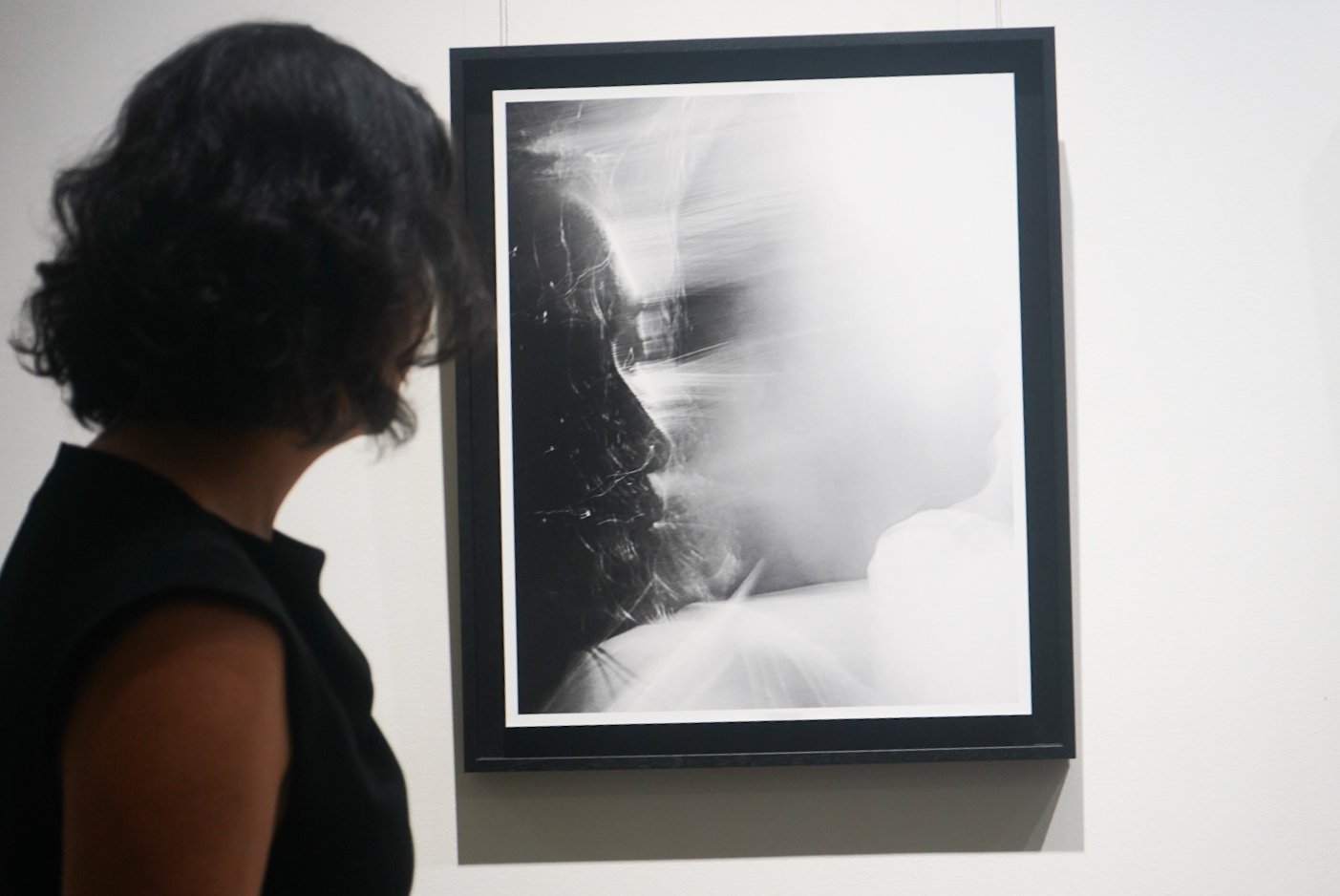
In this episode… Paul sits down with Bianca Buliga at the lab here on the beautiful land of the Kaurna people.
Bianca’s exhibition “Healing Out Loud” has now closed, but will be shown again as part of this year’s SALA Festival at the Goodwood theatre and studios
As a recent immigrant to Australia navigating significant health challenges, Bianca’s photography has become an important part of processing and documenting her journey. Her ongoing 365 project with her family, along with her studies and lived experience inform her broader photography practice, mindful workshops and a focus on supportive and inclusive spaces for neurodivergent individuals and families.
Topics include: documentary photography, motherhood, immigration, neurodivergence, mindful photography, chronic illness, family photography, community arts and SALA Festival.
Helpful links:
Website: www.biancajoannaphotogtaphy.com.au
Instagram Accounts: www.instagram.com/biancajoannaphotography /
https://www.instagram.com/inclusivephotography_adelaide
(Transcript below photo gallery)
Apple - Spotify - Buzzsprout
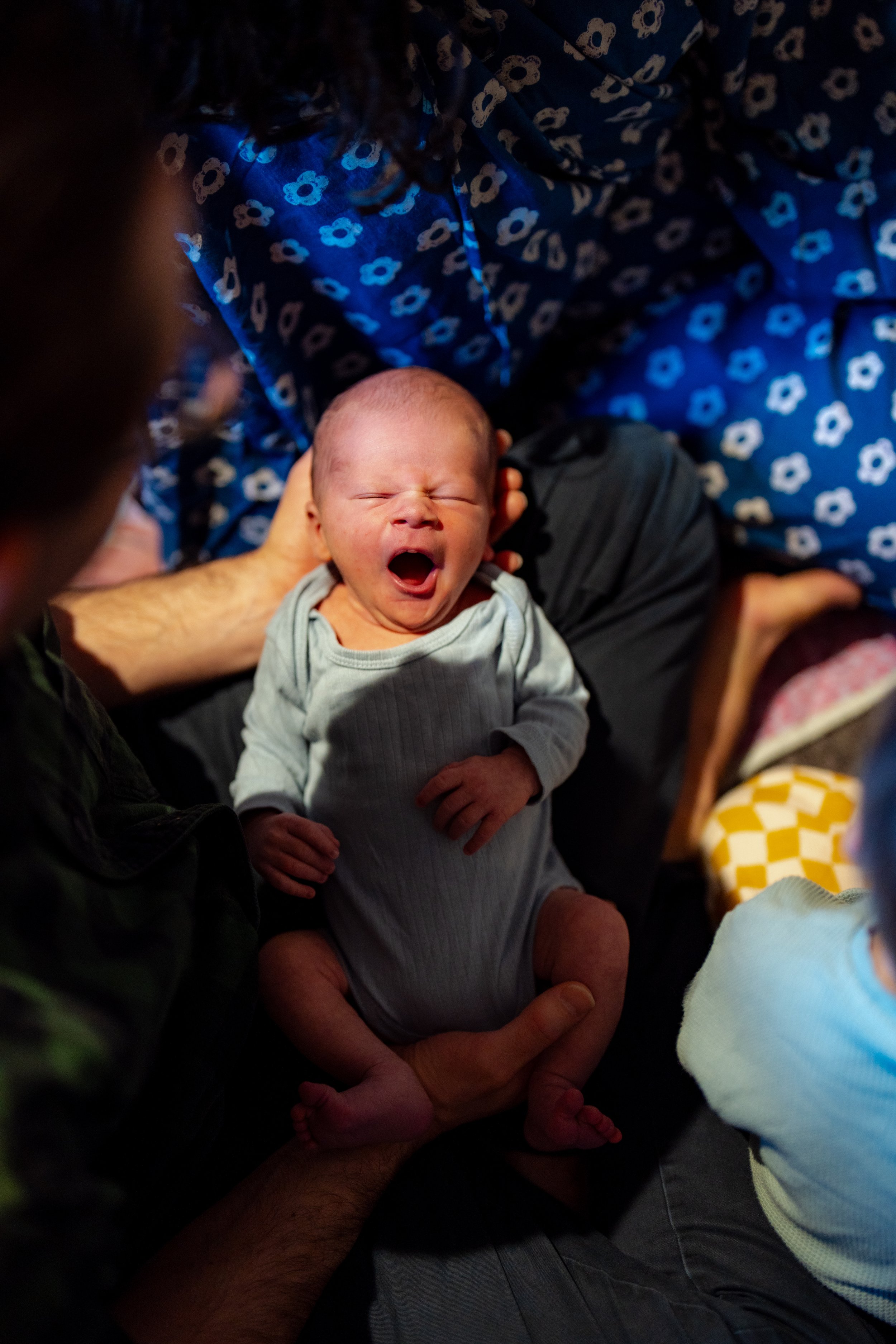
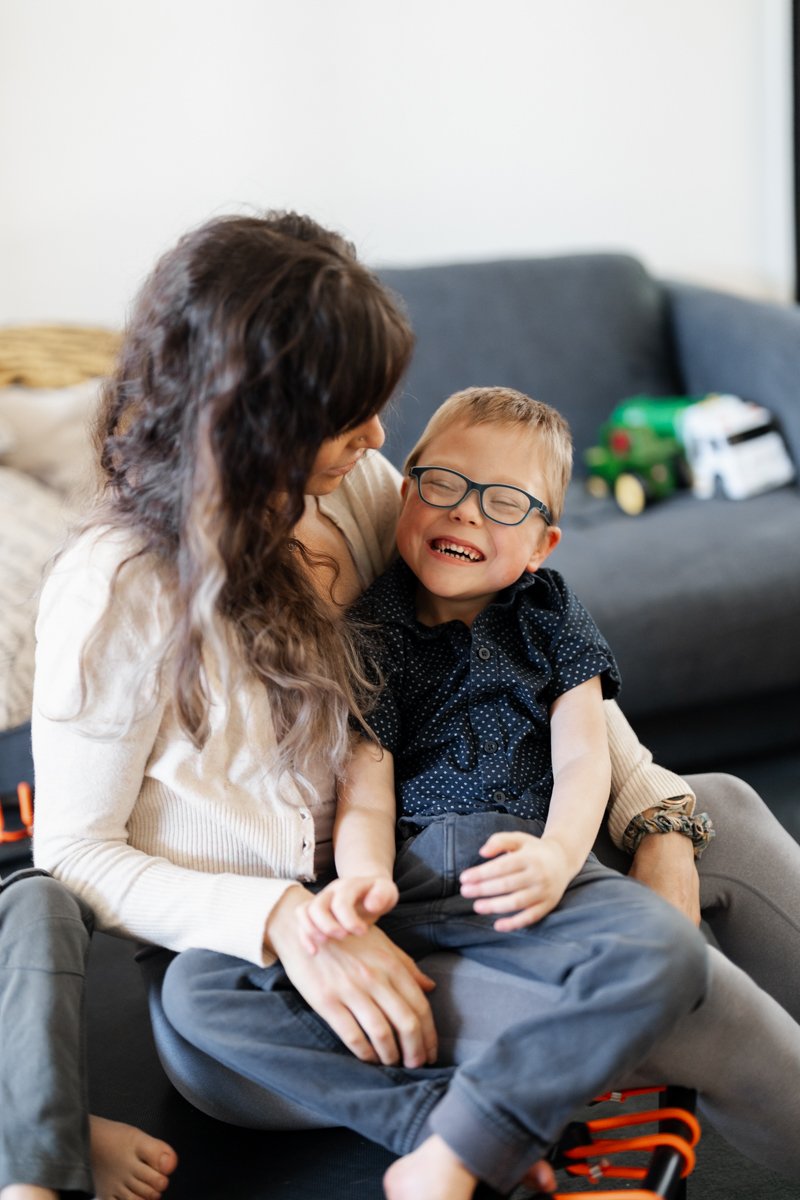
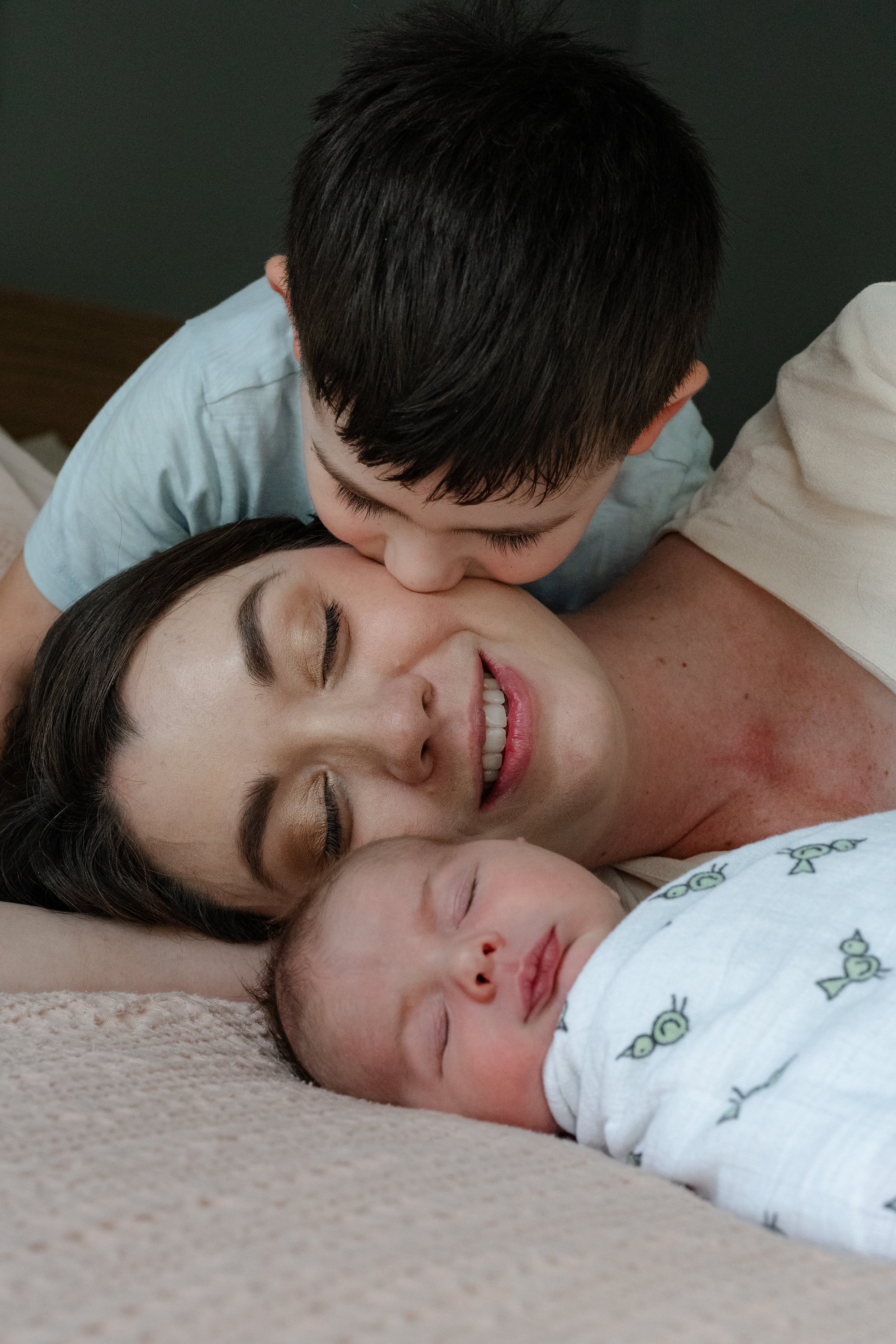
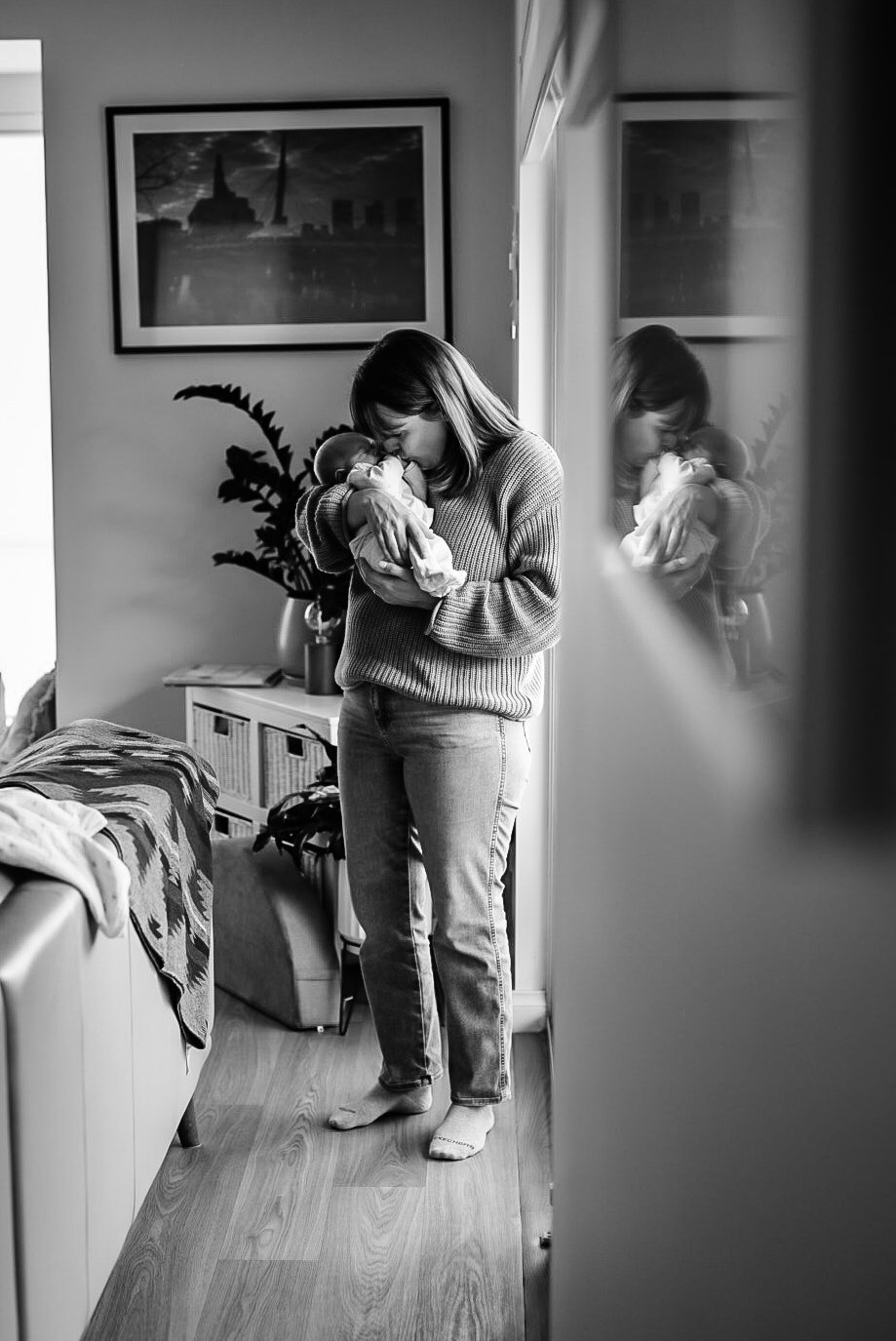
Transcript
PA is Paul Atkins,
BB is Bianca Joanna Buliga
PA 00:15
Hey listeners, welcome to another episode of the Atkins Labcast. This episode is recorded here in beautiful Kaurna Country on the Adelaide Plains at the lab. I sit down with a wonderful Bianca Buliga. Bianca is a visual artist, photographic artist. She also runs a business called Bianca Joanna Photography. And what brought us together? We've been talking about an exhibition. She does some very intense personal photography. We talked about this exhibition and this is really at Manifest. It's called Healing Out Loud, and it was staged for the Adelaide Fringe Festival, which is now over and since closed, but thankfully, due to some brilliance on Bianca's behalf It's going to be up at the Goodwood Theatre Institute (Goodwood Theatre and Studios) for our SALA Festival between August and October this year. And I would really encourage everybody to have a look at it. If not, follow her links, which you'll find in the show notes. And anyhow, sit back and enjoy this warm and interesting episode. Thanks for listening. Welcome to the podcast.
BB 01:32
Hi, Paul. Thank you so much for having me.
PA 01:34
Thank you. Now, um with Bianca is your middle name. Crăciun is your, have I pronounced it correctly?
BB 01:40
Yeah, so that's um my um the name before I got married, Crăciun.
PA 01:45
Ah, Crăciun.
BB 01:46
Yeah, it means Christmas in Romanian actually. Oh really? And Bianca is um white, so it's like
PA 01:53
My name was White Christmas. That's so beautiful.
BB 01:55
Yeah. My friends were calling me Xmas from Christmas. It was cute.
PA 02:00
So where were you born? Anywhere near Christmas?
BB 02:02
Uh in January, so close to but yeah, um yeah it it was my like my father's name and my family name from my father's side.
PA 02:13
Okay, and so from Romania?
BB 02:15
Yes.
PA 02:15
And do you have family still there?
BB 02:17
Uh yes, yes I do. I have my mom there and two sisters. And I have a, another part of my family who lives in um Italy.
PA 02:27
Oh wow. Yeah. And do you get to travel much to see the family?
BB 02:31
Uh, I wish I could do it more often. I've only been twice since we moved here in twenty nineteen. Um so yeah, it's a bit more difficult.
PA 02:39
It's expensive.
BB 02:41
It's so expensive, especially that we are a family of four. We tried to do it last Christmas and it was more than fifty thousand for all of us. So it was more like just spend time here and I mean it's cheaper to try to get them, um, you know, visiting us or yeah.
PA 02:59
Well, it's uh I mean I think both places would be fascinating to see if people hadn't had much experience there. How long have you lived in Australia?
BB 03:07
So it's since twenty nineteen, that's seven years?
PA 03:12
Seven years.
BB 03:12
Be, seven years this year, which is crazy. I can't believe that.
PA 03:15
Yeah, and why did you come to Australia?
BB 03:17
Uh, it was very interesting. We were not having any plans of moving out of Romania. I was kind of a big active activist on um staying in Romania because Romania is going through, uh, a phase after the Communist Party left. Um and I was very, you know, I was going in the streets and fighting for people not to leave Romania because we have to like we are young, we have to stay there, fight for our country. Um but then we try to do some work, you know, having our own business and we just figured out that it's, I, we cannot like, it's we are fighting and nothing is changing. So we were like when the um my husband was working remotely with someone from Melbourne, and they offer him the opportunity to move to Melbourne and um have his own part of the company in here Um we start asking ourselves like should we should we try to move here and um yeah and we say “why not?” we were just married, we had um Aylan who was one year old, so I we felt like it's just a good opportunity for us and um Yeah, we decided to say yes. Meanwhile, the people from Adelaide um that Iulian was still working uh with remotely said that they're gonna do a better offer for him and moved to Adelaide.
PA 04:47
That's amazing. Well, it's great to have you in Adelaide. I don't know how you feel about it compared to Melbourne as, as a like, you're an artist, right? And um I personally feel that the beating heart of the art in Australia is Melbourne.
BB 05:01
Yeah.
PA 05:01
Uh even though I live here and I love Adelaide and I wouldn't move to Melbourne, but I would feel a visit to Australia would really feel the action in Melbourne as far as art.
BB 05:10
Yeah, I think um, I'm very happy with our choice. Um, because I feel like Adelaide, it's a family oriented city and um that family for me is most the most important thing. Like I will put that on number one. And um, when we had to decide between Melbourne and Adelaide, I actually chose Adelaide because of that. But we do visit, I like to visit Melbourne. you know, to go to the museum and things like that.
PA 05:39
Yeah. That's amazing.
BB 05:40
Yeah, but um I really, really believe that Adelaide, yeah, is where We belong and it's definitely like our home.
PA 05:49
Oh, that's wonderful. Thank you. Uh I think it's um I actually think we're quite a long way down the path of being, you know, the hub of art or one of the hubs of art in Australia. It's wrong. We don't need to compete about this, but I think with Donald Dunstan and his efforts in the you know in the seventies and that turning us into the state of festivals and art. Yeah. It's still there. You still feel there is this this strong it's just it there there's not the population density you know to really make it a comfortable thing for an artist to you know to be able to make a living it's it's a it's a it's a tough thing. So just before we leave the topic The situation in Romania and how you feel about it and the political situation is it has things changed now?
BB 06:33
Um not really. Um it's you know it's ups and down with each new um president coming. Uh but it's been most it it it's very challenging and it's hard for people to really understand the whole concept unless you live there or close by. So I feel like um there's been some improvements surely, but there's still lots of work to be done and um there were times when I was scared for my family, especially with the um conflict with Ukraine and Russia. We are a we are border with Ukraine. Ukraine is a big part of the border of Romania. So um Yeah, it is difficult and partly one of the reason we choose to not go to Romania last year on Christmas was also um this conflict, like we didn't know how what has gonna come and it was just after there were some bombing in Qatar which is our way to Romania. So we were like Ah, maybe maybe should we just wait and um see how that's we we don't like to be um driven by s by fear.
PA 07:43
Yeah.
BB 07:44
But then yeah, we are thinking about our kids and um as much as we m miss our family Um, yeah, we felt like it's not the right time.
PA 07:54
Yeah, yeah. Well w when we when we met and it would I I would think it wasn't long after you'd moved to Australia I don't exactly know Ren, but it was around Sala, um, I think where we first met. Yeah. Um I it was interesting, I didn't this is the first I've heard of of the uh country history and your concerns and your move and all this sort of stuff. But I did see with the work that you've been wanting to to make, the art you've been wanting to make, a certain level of courage that's a bit unfamiliar to people who've grown up in Adelaide and um and their willingness to tell sort of really big stories. from, you know, just what you might say this is an everyday person who's suddenly loaded with all of everything you've come from And then all the other things. And this late most recent show, which is a reason why we're talking, well we would have I think we would have got around to an interview eventually. But this most recent show, Healing Out Loud, which is on at Gallery M in Marion Uh and how long does it run for?
BB 08:54
Uh it's until 24th of April.
PA 08:56
Twenty fourth of April. So we've got a few more weeks to really get there. Uh I would encourage if Uh well this might come out afterwards. I'm not exactly sure how it'll go, but it's gonna be a show that will be moved somewhere else with I know you are trying Bianca to Find out where else you can move it. But it doesn't might not be Salah this year.
BB 09:15
Yeah.
PA 09:15
Um it might not be Ballarat Biennale this year. It might who knows where it's gonna be, but it is a a really important, courageous show. But it's not a It's not a political show in s in search. It's a personal show. Tell us about what healing out loud means and what you are trying to do with it.
BB 09:32
Yeah, that's very interesting because um that was one of my challenges I think in the artist work here in Adelaide. Um I always felt like I am like I was questioning myself if I'm too confrontational with like it is it too much?
PA 09:50
You know, like it's always that kind of thing.
BB 09:53
Yeah, yeah, yeah. Um And it's it feels like it definitely maybe comes from like a Slavic kind of um background. You know, like yeah, the the people um and the artists, you know, in R uh Russian artists and Ukrainian artists, the Romanian artists, we are very straightforward and like, yeah, this is this is what's happening. We should focus on this kind of aspect as well, not just, you know, um light kind of um art. And um sorry, what was the question?
PA 10:31
No, I'm just saying the like it's a very cra c uh courageous show.
BB 10:35
Yeah.
PA 10:36
Um and it's very forward. And you've already had uh I wouldn't say complaints. But you've had people say that it's controversial. It's um why do we need to think about when I went there, even though I know what the story is about, looking at the work I f I you know, I always try and look at it for someone who doesn't know the story. And I always try and decode the story. How's it going against what you've wanted to do and all that? But I didn't find it Like I didn't find it heavy to look at. It was I found it beautiful and light and very thoughtful. But You know, n I know the background of it. So tell us the background of it and we'll let the listeners decide on what they think about it.
BB 11:17
Okay, so um healing out loud is the first part so the full part of um the idea behind this uh healing out loud because I almost died in silence and it came from um my history with depression and you know I I had a very um traumatic childhood. I've been through many different kinds of traumas and um I always felt like we are not talking enough. Like th there are people out there who are really, really struggling. And I always felt like I only need someone to come and ask me how I am or someone to really try to listen to me without really um taking on what what happened to me and just listen and um feel validated basically in in in my feelings. Um so yeah the the exhibition is trying to say that we need to ask the questions, even the uncomfortable one, and um if you are if you feel safe to stay with someone in the uncomfortable and you know, um, that can literally save someone's life. Um, you know, I had experience um I lost my sister and my dad because of mental health. So I I will always question um it's that's um it's called uh survival guilt.
PA 12:47
Yeah, yeah, yeah. Survival's guilt guilt.
BB 12:48
Yeah, when when you always question what could I have done better to, you know, to to n for this to not happen. And then I'm questioning that question comes towards myself, like What did really save me because when I uh was after my second kid I had um postpartum depression and
PA 13:07
had to both both your children?
BB 13:09
Just one.
PA 13:10
Just one.
BB 13:10
Yeah. Yeah. Um she's turning five soon, which is crazy. There were moments. There were moments when I was waking up and I was feeling like um I'm a burden to this family and um I don't want my my husband to have to look after two kids and a wife who's really depressed. So I was questioning a lot about, you know, what's my point being in this world and uh what really really helped me was talking and you know trying to get validating in my feelings and that's totally unfortunately there are so many women who are going through that and there is help. So just, you know, um try to find the people to listen to us the questions and be okay. And in the end, um I feel that really um Save me.
PA 14:05
That's that's so interesting. I mean, you're not asking for help help like fix something for me.
BB 14:13
No.
PA 14:13
It's just the conversation and the listening without the 'cause I I know as a as a partner the desire to uh fix you hit the problem, you go, okay, well let me get the right tool out and, you know, hammer the thing in the wall or whatever's needed. And that's not the thing. And it's the interesting thing about art because Art can allow you to to say these things in an in another language, I suppose. Um and Peep just people visiting the show and appreciating it. Um do you feel that's validating too in in that?
BB 14:50
Um yes, and and I feel like Um as a society we don't need as much fixing. We need a lot more listening and asking questions to people around us. It's hard to make the world a better place if you think like everything is happening. But then we can do it by looking around us in our you know in our family, in our small uh friends group, in our, you know, the in the artist world, like look after each other and see um what we can do better um to help others and I think that's what I'm trying to say through my work that um They are really people who are um needing help and you don't need to do extra steps to help them. Like it it's it it would it shouldn't take too much from you to help someone. Most of them just want to be validated and to be listened to or just ask you know, how are you today?
PA 15:58
Yeah, yeah.
BB 15:59
Because in the end I that's actually this how my healing process started when I went to the doctor And um I was all happy and smiley and he asked me, How are you today? and they start crying. I start crying and I was like Oh, no nobody really asked me that in the last two years.
PA 16:16
So But there's a thing that happens in Australia where people go, How's your weekend? Yeah. And how you doing? And I know it frustrates uh people I know uh that and and there's some people who are happy to have these surface conversations and there's some people who Not happy with surface conversations, so you go straight for the Are you one of those people who want to go straight for the heavy stuff?
BB 16:40
I think again that's part of my background. Um in Romania we when you ask someone how are you, you are expecting to hear everything.
PA 16:50
Right, right.
BB 16:50
Uh you are expecting nobody will put a mask and say, I mean, there of course there are conversation when that will happen, but most of the time we can say like this is what's happening in my life right now and um I don't expect anything.
PA 17:06
I'm just saying, you know, so in Romania is that a thing where you can talk and that the people aren't trying to fix it? It's the same everywhere.
BB 17:17
Um no. Yeah, they don't really like try to fix it, they just listen. Like they are you know, it was that was a challenge for me to come here and try to make the conversation a lot better and all of these things when um what I was feeling was really hard on the inside, you know, and then uh when I was trying to open conversation about how I feel, I was kind of perceived like traumatic or you know, kind of they're let's put a distance and I um and it it really made me question, um if it's something wrong with me.
PA 17:50
Like what, you question your decision to come to Australia?
BB 17:57
Yeah, I don't think I because I really feel like home in Adelaide, you know, and I still have friends from Romania that I can talk to, but There's a different kind of, you know, you need people in close to you to be able to, you know, go for coffee and talk and um Since then, of course, like in in the last years, I did create some beautiful friendships and I feel like I can um I have people that I I can talk to. But then I see this um um team everywhere, you know, in the in my artwork, in everywhere where I feel like at some point I get to be seen, I don't know, a bit too much or a bit dramatic or a bit like um Yeah, and If I I tried to I always felt like that's a problem.
PA 18:53
Well now I don't feel like it is hard. I mean it. There is like there is a lot of heaviness in the world, right? And there's a lot of art being made that's heavy, and rightly so, because it's reflecting the current environment. And it's hard that you don't want to be a person adding to that. But I don't, I don't think what you're doing is like the people that had complained about well, I don't know if they complained, but they just said they didn't like the show, right? Yeah Um, you had like I would think it my guess would be the demographic would be an older group who are just like uh they don't talk about anything. Right. And I doesn't help anybody b bottling things up. And I don't think they've realized that it does, because it's very damaging to their children and their family, younger family members that they get dismissed, you know. You just, You know, push it down and move on. Yes. And look, there's a certain amount you need to do that to live because you can't just sit there and wallow and all that kind of stuff. You do actually have to, but the actual act of discussing it and It does help people go forward when they know there's other people in the same situation.
BB 19:58
Exactly, yeah.
PA 19:59
And I think to some extent the older generation possibly feels that a little responsible for the current state of the world. Well they should. I did. We all should. Yeah. Um uh and perhaps then they're feeling a little bit blamed for it. I don't know. I I have to have a bit more
BB 20:13
Sympathy for their situation. I never judge, like I never judge people who are um coming to me or you know, they are giving me this kind of feeling or vibe or uh feedback because um I lived a big part of my life trying to not to trigger people around me. Um, as I said, like I have lots of traumas from all kinds of different aspects and um that made me be very um sensible to the to other people
PA 20:45
And I see, because other people's you you know everyone is hiding something.
BB 20:50
Everybody's going through something. Everybody has their own stories and um Yeah, I try to, you know, not to trigger um, I don't know, if I talk about my sister dying by suicide, I don't want to talk about that and then someone who sister died by suicide to feel triggered and then, you know, feel like it's uh he has to go through they have to go through very deep things. But then um I I now I'm starting more more to feel like Um, I don't want to be putting any more triggers on my lived experience. That's my lived experience, and I feel like I want to talk about it because people
PA 21:30
So hang on, let's go back. Don't want to put any more trigger warnings or like I know I only say that because on the show you said you didn't want the show to say You know, if you are you know and give the people a warning, if you're ha if you have you know these ideations or these concerns, be careful looking at this work. I know you didn't want to say that as part of the show.
BB 21:52
Yes, yeah. In in the way that Um, this is my lived experience, right? Like I lived through all of these things that happened to me. Um and I am entitled to speak about it or express it um in the way that I want it and um it it kind of is it's not my responsibility anymore of how other people can be perceiving that because they should be responsible for their own life and their own how they reacts.
PA 22:26
respond.
BB 22:27
Yes. Yeah. But you know, it's always this like I always is like a dance for me. Like I feel s so strongly about this. But then I also feel like I really don't want to hurt people. Like I I really don't want people to um I don't know, see something or hear something from me and then feel like um it's too much and they don't know what to do because not everybody is going to therapy, not everybody's having people around them to then go and talk to. But I think what really promised me to this is when um my last exhibition about postpartum depression and people uh coming to me and telling me, you know, how really um I think everybody that was talking to about they had someone in their life that was, you know, experiencing or experienced that. Um, but we don't talk about it.
PA 23:16
Like, you know, it's just something that is happening, but it's meant to be the most beautiful time in the world. Yeah, having a baby, you know, like
BB 23:22
Yes.
PA 23:25
Yeah, it is.
BB 23:26
It is. And um, you know, but there were people who were like, But I opened the conversation with my friend because I saw your photo or your artwork and it made me you know and then she shared with me about her own experience and that was a bit of healing in there, you know, someone just saying out loud actually I really you know, struggle with postpartum depression or like so that really brought me this kind of um feeling or battling b inside of me to stop trying to protect everybody and just let's um my soul express itself as it wants because in the end the message is very positive like the message is um people want to leave. You know, like it's it's it's it is positive. It yeah, the the artwork is a bit, you know, it's black and white. It's it's a bit um profound, but um
PA 24:20
Yeah, I think it's No, I think that's I think it's amazing. It's did you feel the the show on postpartum depression? Did you feel it move the needle within yourself, like the, the need with you know the metaphoric um progress? Did you feel that helped you with your healing Um, I know it's obviously helped other people.
BB 24:39
Yes.
PA 24:40
Um, but you feel it helped personally with yourself and hence you've moved to the next level. Because this, you know, this show is tackling, you know And look, the thing about postpartum depression, it's it's almost like a nice, neat little thing on the side. Oh, it's just when you've had kids and not everyone has it and oh it's it's hard. In some ways, in talking about like it it sort of dismisses general depression and because you know, you're you don't like w people we're in a wonderful country, like You d you might say to yourself, um here's an older person talking. Oh, what have you got to worry about? You know, you're you're young, you're good looking, you've got You know, a job you got a kids. You're like, what's your you know, what are you why are you depressed? And we all ask that ourselves. We go to ourselves, we look in the mirror, we say, Why, I've got all this, everything's great, what's the problem? And yet we still are Yes. Um so there is and it's it's a tougher conversation. Um because it's just It's there's no real excuse. Whereas postpartum is like, oh my god, that is the hardest thing I've ever done in the world.
BB 25:44
Yeah, yeah, yeah.
PA 25:46
It's interesting, isn't it?
BB 25:47
It's So the the show about postpartum I never really worked on it. Like what happened with that just KM did it? That just happen what so what happen is um when I was experiencing it, I was taking photos. So most of my work is self portrait. Um and I don't know, I was having a difficult time in a day when I really was feeling like I can't do this anymore. I was putting my camera in front of me, I was taking a photo of that You know, and then I was looking at the photo and I could um differentiate myself um um from The person who took the photo and then I was I see so you're using it as a separation tool. Yes, yes. So I can see like This is where you are right now. Like this is really heavy and you are validated of being depressed because look, there's a photo of you being depressed and you don't have to fake it anymore. You are depressed. You need help Um so the Postpartum Depression episode um um um show It's made with photos that I took during this time and it's at the end of it. So it's the show um I put it together after I was out of the postpartum depression, after I was feeling like Um I can see the light. You know, when you are in the middle of it, you feel like you will never feel happy, you will never feel joy, you are destroying your kids' life, you are destroying all your life, nothing is worth doing Um and then I suddenly look around and I was out of it. And then I was like, oh, I you know, there are people who are going through the same things as I was doing. So um maybe, yeah.
PA 27:36
Like that's it's great. Like I I think it's so important, uh this work. I think it's so important. And so y you felt From that, did that give you the energy to tackle this show here?
BB 27:49
Yeah, for sure. I never wanted to I mean I never tried to be an artist. I never knew what an artist is.
PA 27:56
What are you trying to be?
BB 27:57
Uh I was trying to express myself and to help others feel seen.
PA 28:03
Yeah.
BB 28:03
I was it I think that's the biggest thing is I want people who look at it to feel seen, like, oh, I'm not it's not just me going through this, there's someone else. Like there's a representation somewhere of our and of course the other thing is for people who are not experiencing to say like that's also this part of the life and there are people who are going through this. So yeah, like I I I didn't study
PA 28:28
So what did you try? Like what's your what career were you heading towards before artists became your thing?
BB 28:35
As an ADHD person I tried different things.
PA 28:43
circle back to that question. Okay, so as an idea you tried lots of things. What was what was sticking? Like what did you feel like you could do or wanted to do?
BB 28:54
So I studied pharmacy for two years. I didn't like it. I started uh psychology, um and special education. I finished that one, but I didn't took my um license for it because we moved to um Australia. Um and then I think what's I always wanted to do something around art. Like I always did did art in my life. I just don't know that I'm doing it. Like I had my um I have my camera from my father since I was maybe seven years old and we were going for walks and taking photos and it's uh it kind of was a connection between me and him And then I always kind of was taking photos to express myself. I just didn't know what that means. It was just the way I was doing and I was healing some parts of me. Um so yeah, I had a I had a business of um taking family photos um which then move to taking family photos of people who are um you know having kids with autistic kids and so because of my live experience with my own kids and so on and um Yeah, I think it was photography and I wanted to do something with my psychology studies but um I didn't know, you know, what or how to do it or I needed to do a master here if I wanted to, you know, um Continue but I didn't anyway. I feel like in the end what I'm doing right ever all of these things got me where I am right now.
PA 30:29
Yeah, yeah. And I think there is something really magic magical magic about understanding psychology and photographing people. Because uh I've uh I've got a a friend in in Melbourne, Ro w Rowena Meadows. He's also a psychologist, couples therapist, um uh and uh a photographer as well. And her thing is she wants to show people's mess. She wants to show the the w the the quirky fun uh uncontrolled, chaotic world we all live in. And she wants the honesty there. And like the photographs you took of yourself for your postpartum show And I suppose for for this show as well, where in seeing yourself in that situation it validates it and it gives you a little bit of space to have empathy for that person who you photograph.
BB 31:20
Exactly, yeah Um yeah, so there is there is phototherapy and therapeutic photography um that I you know I started to learn more about it in the last two years or so and um The f phototherapy is mostly used in um clinical environments. So if psychologists, clinicians are using photos to work with people, you know, like all family photos or there are lots of different ways that you can do that. Or there is therapeutic photography where yeah what I'm doing, um, using self portraits um and trying to use this camera not just um as a tool of creating magic, you know, taking some light and creating magic with it, but also having some more deeper um Value.
PA 32:11
And yeah, there's a lot of picture making photography. And I think Anne-Marie spoke about that when we were at your artist talk the other week. That she sees a lot of photography. That's just nice and it's nice pictures, but there's nothing bubbling along underneath.
BB 32:26
I in the end I think everybody is kind of an artist, depending on what how you are d defying artists, you know, like it is an artist someone who studied arts or is an artist someone who like my kid was drawing something very beautiful today and um the it made absolutely no sense what's in in there But it was so much meaning for him and how he brain wanted to express himself after a very difficult day yesterday. And is is that art as well? Like You know what it is, art in the right.
PA 32:56
I know. I I struggle with that a little bit. And I've actually speaking to Anne Maria, I hadn't heard her definition, which is I mean, I won't go through it now. Maybe we'll save that for a conversation with her, but I've always felt that if you put something on the wall and you say it's art, who's to say it's not art? Yeah. Uh because we've been ch the art has been challenged all the way along. I mean, the early painters maybe they were Just record keepers, they weren't trying to do art. Certainly there's certain photographers that didn't think they were making art, but you know, later in their career their work is celebrated as art. Yes. And it wasn't thought of and you so the definition is very fluid and it is, yeah. Perhaps I like to think of it as it's a language that we can learn to speak.
BB 33:47
I like that, yes.
PA 33:48
Um That's your maybe your that's the language you're you're proficient at.
BB 33:53
I yeah, maybe. Um Saying that I will love to learn more, you know, like I would love to have more studies, but not to prove my artists um label. I wanted to study because I'm I love studying. I love, you know, um I have this book about um Um Australian photographers is like a a heavy boog and I just love tantas going through it and see like um what each of them how why they're expressing themselves that way. Like I I love I love art. I love um knowing more about it.
PA 34:30
So I I So naturally you're a learner. You like to To study.
BB 34:34
Yes, but I feel like there are different things. Like there is the learning and having the information and definitely um having the um inspiration. Yeah. And then there is the art the art that is just coming off of you without really trying to say anything. Like even this show I I never really went with an idea. W this show happened in my living room with um the dogs and cat fighting behind my backdrop and I have a black bedro backdrop And I I I know that I wanted to play I always like to play with mirrors and movement and um that's what I did and it just started with me being in front of um the camera and just let it see what's happening and w what's interesting is that in one of the most um dark kind of photos I was feeling very joyful. Like I I I I I didn't go in front of the camera and feeling really depressed and saying like I need to express this right now. But it it it just came out of me and it means w with every portrait that you see on the walls of the gallery M, I feel like um I heal something from taking them. So each photo each photo, each artwork that is on there. it's a part of me healing and getting more comfortable with who I am.
PA 36:05
So th is there a sequence that they flow in? Or they just an em like an emotional ride for you as you go around them?
BB 36:12
Yeah, it definitely has like a emotional ups and downs and I can um I'm I'm also bipolar so um you know I have it's it's very um You know, I never I'm I'm bipolar too, so I never really experience manic episode or uh psychosis or things like that. But um I do experience hypomaniac episode when you feel like um You have so much energy and you want to do everything. That's how I feel. Like I want to do everything. I want to write books. I want to, you know. Um it's like when my brain is on uh its peaks and um There are some photos in there where you can see part of that. But my biggest um symptom of my bipolar is my depression. So when I go deep, I go really deep and it's very hard to get out of that deep darkness. Um and again you can see that in in some of my o artwork. But um in the end, um I think it's just part of life, you know, like we are all going through ups and downs and um the only difference between um an Someone not diagnosed with bipolar and someone diagnosed with bipolar is the intensity of their feelings. Otherwise we all go through um You know, with there are situational depressions.
PA 37:39
Is it a superpower? Like does it allow you to do things that you couldn't do without it, do you think?
BB 37:43
Um It definitely has a a a part of like feeling like a superpower because when I'm having like one of my I'm I'm um doing everything that I cannot usually do, like and I feel more creative, I feel more um So kind of how it works sometimes is when I'm depressed I have all of these feelings, heavy feelings that are coming. Um that are natural and they're part of life and then when I'm having like a a hippomaniac episode I feel like uh I can let that voice show and not just be inside of me. Um so it definitely has kind of superpowers in that way It's also of course like their struggles and um What's the cycle like?
PA 38:34
I mean this work was made in the last year Yes, last year. Last year. So in that period of of twelve months. Yeah. How does your body cycle through the the the ups and downs? Is it is it really rapid or is it long periods of
BB 38:52
You know, I've been diagnosed only two years ago. So this all this process is very uh very new to me. Um and um I'm medicating the medication works so well. So I I only had one hippomaniac episode
PA 39:06
Um but this show isn't a result of Yeah, no.
BB 39:09
It's it feels like um it's a lifetime of feelings basically. Yeah. And again, um because I'm talking with other people who are uh neurodivergent or out of the
PA 39:27
Whatever that's a good idea.
BB 39:28
Yeah, like a neural normative um society expectation.
PA 39:33
Yeah.
BB 39:34
Um I see that they need that. This they they they need to be seen. They need to be. I I saw um a cult, I think it was something like um If you are fighting about representation or something, it means you are well represented. So you don't need to kind of I don't know, you are fighting about Aboriginal people doing um welcome to the country. But that means you are well re represented and you don't understand what that means to all of them. So it's you know all of this thing of um let's look a bit out of our comfort zone, you know, like i if you are comfortable where you are um try to think a bit out of it and see that there are so many people who are not like LGBT, um neurodivergent, you know.
PA 40:33
But how do you like uh as how do you add that to your Things that you're dealing with yourself. I mean, I I feel very strongly uh about the importance of welcome to country and I think it's a an absolutely beautiful, respectful thing to do and fun. It's just I think it's smart to to say thank you and how wonderful it is, this place, you know. What's the problem with that, right? Um, but if you know, if you're already fighting for your own health and contentment and happiness, how do you get the energy to be angry about fighting like something else?
BB 41:07
I mean, does it not just pile up and become too much or I think that's just my neurodivergence kind of You can cope with the Yeah. Um I can't always cope. Like I there are definitely times when I feel like I I can't do with this right now. Um but my diagnosis was kind of um it was a very good thing for me because it gave me the tools to recognize, you know, and now before I was feeling um That is too much and I was keep pushing myself until I was going to burnout. Well, now I can recognize things. Like I had a a hypomaniac episode maybe two months ago. It was not it was just like I I had a desire suddenly to clean the whole house. I couldn't sleep at night. I was, you know, like all of this very intense feelings. Um and I recognize and I I just told my husband, I think I having an episode and um we were we just tried together to try to make it um safe and say like that's fine like whatever, you know, like you're having an episode, then take advantage of it and yeah, do the clinic, surely.
PA 42:16
So that little bit of distance is giving the ability to look at and reflect on what's going on and exactly.
BB 42:21
Yeah, yeah. And that happens a lot in my artwork as well. Like I I let myself recognize the feelings without um putting a labor that is too much.
PA 42:32
Yeah, yeah. So on your artwork you're shooting a digital camera
BB 42:37
Uh with this artwork, yeah, with this show, yes.
PA 42:40
Yeah, and um uh often low light, uh allowing for a bit of movement and and phrasing and sometimes it's hard to tell if there's someone in the photograph.
BB 42:50
I love that actually.
PA 42:52
But yeah, I mean you can see there's a there's a definitely human element to every single photograph, but you're just not sure what's going on and they're definitely more Like feelings than than facts. You know, what we see before us.
BB 43:06
Yeah, that's what um you know I was because I was saying that I'm I'm trying to learn new things and I was looking at definition between, you know, how you um explain my artwork. Like is it fine photography? Is it contemplative photography is it you know what what it is and it it's very hard because it's hard to put a label like that on an artwork and um I really really love working with um lights and movements and like in some of the photos I use a fog machine. I had no idea what I'm doing. Like I just kind of using it and then we'll see um what's coming out of me through through that um so would you set up for a day of doing this and then just see what happens Uh, no, my my living room is a crazy place. Um I'm yeah It it's a crazy place, our house. It's for sure. It's an artist's house. Yeah. Um but yeah, I mean now it's backed away. But I I do feel like um actually that's one of my struggles because I sometimes I feel like I want to express something, but it takes so much to do it in that way. Um when sometimes I just take the photos and I don't care about, you know. Um
PA 44:29
And so how many like is it hundreds you're taking to get these this like is a distinct series? It's a very distinct series of what, sixteen? Seventeen. And how many How many do you think you may have like I'm just trying to get a sense of the way you work?
BB 44:45
From um each one of them I will say they are maybe Five?
PA 44:50
Yeah.
BB 44:51
And then you just I just pick the one that speaks to me the most. Like um I'm questioning what is what I what is this trying to say and then I'm not starting with I want to say this. No.
PA 45:05
You're feeling that what you've gotten out of them.
BB 45:08
Yes, yeah. And then we'll see which one um makes I like I like intense feelings and I like uh again, I'm really sure that it's like my background. Um as I said,
PA 45:23
R you're saying y you claim that uh in your Eastern European you know, Romania and the countries there is uh A real forthrightness, so desire to communicate with um complete honesty. How are you? And you get the full from a dump, right?
BB 45:39
Yeah.
PA 45:39
That's also a uh a function of a neurodiverse person. That they don't want to so is you saying the whole of Eastern Europe are neurodiverse?
BB 45:50
That's very interesting. I, you know, neurodiverse and never a divergence. I only got to accept it here. I could not accept it there. Like I I cannot go back to Romania and say I'm autistic.
PA 46:03
You're just saying you're like dad. Yeah, I'm we're all like that.
BB 46:06
No, it's just like, yeah, that's how it is. Um but then yeah, I mean if I start to pick up on diff, you know, some people or stuff, I can definitely see the neurodivergence. Yeah.
PA 46:18
It but um What about your close family? Uh like are you how do they work think about your art? I mean forget your husband because he's here, he's in the journey. I'm talking about people still living in the world.
BB 46:33
If they are artists, they understand it.
PA 46:36
Okay.
BB 46:37
If they are because it there is also like, yeah, let's talk about stuff in one on one. But we are not washing our clothes in front of everybody, you know, like my mom will be like, stop saying you're bipolar, you know, because people will feel like you're crazy and you're not crazy, you're normal. Or, you know Why do you say your kids are autistic when, you know, like people will feel like they are just, you know That's that's how like that could be the previous generation here in Australia.
PA 47:04
Like my mum doesn't really want to talk about that stuff.
BB 47:07
Yeah.
PA 47:07
Um Is it it do you think that generationally it's just catching up there? Is it definitely that it's conversations going on? Or do you think the stoicism is it stoicism? I don't know what it is. Is that just gonna be what it is over there for us?
BB 47:20
I think it's very difficult. It's definitely it i lots of work to be done on that aspect of um acceptance of neurodivergence and because you know, i we are born and taught to be strong. Like um yes, you are going through something and I I'm here to talk about it, but you have to move on after, you know, like Is that a factor of of living in
PA 47:44
Trauma all the time. Yeah, for the time. With political change and war and I'm I'm pretty sure of that and you know
BB 47:52
In Romania with my friend and so they all been kind of different traumas. So it's easy for us to relate to each other. Um when sometimes I was feeling coming here and trying to talk about um, you know, growing up with an um alcoholic dad, my mom left me when I was five. I've been sexual abuse. Like they are very heavy things. Um and I couldn't really find people to be able to um halt and just under I don't want people to relate to traumas because I don't want people to have traumas to relate mine. But I want, you know, I I sometimes felt like I cannot find someone who I can sit down and talk about you know, this is how it was and I I'm fine now. Like I moved past all of this. I've done so much healing, I'm doing therapy, like I'm taking a shower, I'm really looking after my mental health and I have a great team around me, so I'm fine. I we just This is a real experience of real people. And it's it's kind of it's not just me.
PA 48:57
Yeah, yeah, yeah, yeah. And and just on your dad, with him giving you the camera, you mentioned that
BB 49:09
In that for sure. Yes. We didn't Um he was bipolar as well, but he was not medicated, so and he never accepted medication.
PA 49:18
Um and you know But he he was he diagnosed?
BB 49:21
He was diagnosed with bipolar. Um, but he never accepted medication and he just his way of coping with it was alcohol and you know, every time he tried to stop it It it's a disease basically, so you need to be able to go somewhere and have the doctors to help you and so and he you know, in a small town In Romania, it it's not really such yeah, yeah. You know accessible.
PA 49:45
Yeah. But also I'm sure there's a certain level, I use the word again, stoicism. uh in the culture that you know you just deal with it.
BB 49:54
It just fool and again it's also the stigma, you know, like people will hear that he's bipolar, everybody will just think that he's crazy, so let's not talk about it. And if he I'm not taking medication because I'm not bipolar, so whatever, you know? Um so definitely that was a way of us um to speak to each other uh without having to go very deep into our relationship. Like I think he told me I love you. once in his whole life and um I struggle a lot with that kind of part, you know like But now I I an I also understand him because yeah, it is hard.
PA 50:35
Oh, it would have been terrible. Um tell me about his photography. What did he like to take photographs of?
BB 50:40
He was not really like I think he was only taking photos because that was our language, you know, so we were just going for walks and I have photos of him taking photos of me and you know um around um my grandparents house and things so it it was nothing it it was m more still like a m memori Memory taking. Nothing very specific for him. But again, I haven't really we we never talk I never really know what he wanted or if he wanted to go more deep into that kind of, you know So all the conversation is one sided.
PA 51:17
It's you projecting what may or may not be Yes, yeah it's always yeah.
BB 51:22
It always feels like, yeah.
PA 51:24
That's so hard. That would be so difficult.
BB 51:27
Um yeah, but you know, I have I it was very interesting when um he died. Two years ago, I think. It's two years now. Um and when I went to Romania I had to clean his apartment because my mom was selling it. So um It was my childhood where I grew up with him and I found all the cameras, like um the photos, and I put everything into one luggage and I I got it back with me in Australia.
PA 51:59
Uh and I all that life in one bag.
BB 52:02
Yeah, I have it's still there.
PA 52:04
Like I didn't really I I haven't really I think there might be an a body of work based on this one bag.
BB 52:10
Yeah, it it was very interesting because even on the way here I don't know I put everything in one bag literally and uh on the way here in Qatar they lost it. And it was the only one that got lost. Yeah, it was a very intense um but then yeah they It they I don't know how it happened, they found it and um I have it there with I think there are three four or five cameras, some on film, some digital. Um Um I couldn't find the film roles. I know that they were somewhere, but I just I couldn't find them. And um yeah, the photos there are hundreds of photos. But yeah, it's I I I don't have lots memory. Um, you know, trauma sometimes just deletes your memory to be able to move on with your life. So I think my memory starts around twelve or so and all of these photos that he took it it's my proof of my existence basically. Because if someone will ask me when you were seven years old something about that, I will be I have absolutely no idea wh what to tell you. But then I look at the photo and I know that I existed. And yeah, it was dark, sometimes it was not good, but I was there and I was a kid.
PA 53:29
That's wild.
BB 53:30
Yeah.
PA 53:30
That's wonderful. I mean I I understand exactly what you're talking about, and photography has this incredible ability. I mean it does also distort memory Because that photograph becomes you build a story around what that meant. And who knows what it is. Who cares? Um r really. I mean we all think we want the truth completely, but Yeah. I don't not shall we do. That's amazing. That's amazing. One suitcase.
BB 53:57
Yes, yeah, it it it was very interesting going through that.
PA 54:01
Interesting. That's a success.
BB 54:04
Yes, yeah it was. And I actually um because he died and I couldn't be for there for his funeral because of um he They had to do the funeral the next day so I couldn't really get an airplane and go there because it takes thirty six hours to get to Romania from here. Um So I missed that. I missed the process of griefing and screaming and saying, you know, goodbye b basically. So then um after six months when I managed to get to s to go there, um I took my camera as well, so I took photos of his life because after he died the apartment was locked And nobody really got in it in it. Oh really? Um so then I went there and I could basically see his last days through Through the fridge, through you know, the uh empty alcoholic um So how many days was after the funeral you came? Was it like a month later or it was like six months
PA 55:10
Six months.
BB 55:11
Yeah. Yeah, because it was um And was it sealed for you?
PA 55:15
Or is it just luck that you came and it was still there with a key in the door? Like had they had they specifically kept it so that you could Um
BB 55:25
It was I I think it's both. I mean, I asked them not to do much, but also I it they they they didn't have the desire to do much because of the life he's he the last um months of his life um definitely he was like maybe in um psychotic or maniac. Um but again we don't talk about it so nobody really, you know, and he pushed lots of people um that he w had around through his uh because of his um alcoholism and stuff. So he didn't really have lots of people around. Um So after he died it kind of was um we don't want to deal with this. Um and yeah, I d I took some photos that are really, really deep and um I don't know when I will have the um power in me, like if I will ever share them because I would like to share them because it shows what a psychotic mm episode can look like, you know, how a life how a house looks after you know that. Um but it's I feel like it's so much um challenging to express that. Yeah.
PA 56:41
Yeah, I I can imagine that would be a another another mountain to climb. Yes. You know. And I was you know, I'm I'm always interested in artists because uh thinking of your first exhibition, um It came from work that you'd made that you didn't know you were making it. And we often have our first show and we've got all this wonderful stuff to draw on. But what do you do for the next show? Like and then it's like uh you know, a band with their second hit.
BB 57:14
Yes.
PA 57:15
They do they make the first record. Great, I got all that music out. Now what do I do?
BB 57:19
Exactly.
PA 57:20
But you've done the second.
BB 57:21
Yeah.
PA 57:22
Okay?
BB 57:22
Yeah.
PA 57:23
So you did the second, like you're the what you're drawing on is you have that. What's next? Like what are you I know you want to travel this show and I think it's worth putting energy and focus in making sure this goes wider. Yes. And I think it's there there'll be vehicles for it. I I don't particularly see what those people saw that it was Too heavy or anything. And we've talked about that. And you've got that. I should have mentioned there's a couple of interesting elements to do with the exhibition. There's a mirror
BB 57:55
Yes.
PA 57:55
That's there, which is features in the photograph as well as the mirror being there. Yes. So you're inviting the viewer to reflect on themselves in this situation. But you also have a telephone that you can leave messages to you And you can hear you talking about the work. It's like a little artist talk.
BB 58:12
Yes, it's like a mini, yeah, artist talk. And um I know from I know one of the person went back and listened to that and I don't know what the feedback was after um after they listened and you know the first impression for them it was mostly like that because of their own experience of the Basically, you know.
PA 58:36
They were confronting someone.
BB 58:37
Yes, yes. Um but then yeah, I think the telephone there helps that. Um helps with that.
PA 58:43
It's very intimate.
BB 58:44
Yes.
PA 58:45
I mean I sat on that and you know, you're just talking like quietly. And it's like 'cause I don't know there's uh there's not many people these days, well there is, they've got to be my age and older, that remember calling on a phone all the time. Um There is something about the landline and the old fashioned phone. It's a very intimate you know, you're talking and you're hearing. No one else will hear it. There's something about speakerphone and smartphones and headphones That's kind of I think it's broken it a little bit.
BB 59:14
Yeah.
PA 59:15
But there was that one device in our house that we could talk to someone at a distance for. And that was it.
BB 59:19
Yes, yeah.
PA 59:20
And I found it was a very clever element to the show.
BB 59:24
I feel that what I like about it is it also gives you the opportunity to close it. So you are listening to my story. I wish I would have been more sincere with it. I feel like I still try to protect people who are listening to it. Like I didn't go too deep into it because I was always feeling like I don't want to trigger too much. But it's my story, so what do I do? But I like the idea that they can close it and say, “Oh, that's it.” They can move on. It's just a story — I close it. But also they can choose to close it earlier if it's too much.
PA 01:00:12
If they stay though, they can leave a message.
BB 01:00:13
And they can leave a message. I'm very curious to see if they got any messages. I actually should go and check.
PA 01:00:21
That's so interesting. Look, I know it's not a brand new idea, but I just hadn't seen it for a while and I know the intimacy of listening was really helpful. I went to the artist talk because I think that's a really great thing to do. And I think however your show moves, it would be important that that could be a few years.
BB 01:00:43
Yeah, yeah, for sure.
PA 01:00:44
However it works. So the question — what's next?
BB 01:00:48
What's next is just letting myself be. That's usually how it happens. Sometimes I just stay in bed and this idea comes into my head. I'm like, “Oh yeah, this is the next thing that I can do.” I don't have a plan really. I do want to go with SALA this year, but everything is booked out and it's very hard as a neurodivergent person. My own experience is hard to think in the future and say, “Oh, I will apply for this gallery for the next two years for SALA.” So it's very hard to find a location to go with this and it has to be a location that is willing to hold it. We'll see that. And as my work — I like playing. Recently I started playing with creating and printing on everything. I printed on tissues. Kind of trying to make it also manual.
PA 01:01:57
I think it's so important and it gets lost. Our business is taking that load off people, which is not right for art. Being part of that making process all the way to the end is really important for a lot of artists.
BB 01:02:17
Yeah, yeah. It's very interesting to experiment with different kinds of aspects of art and mixed media. I really don't know, but I really feel like I found my voice, so I'm just trying to see how can I push myself further. Not because I'm looking at awards or anything like that. I just want to push myself further to see where can I go. What can get out of me. And if one person is feeling seen by that work then I feel like I've done my job.
PA 01:03:04
That's your objective.
BB 01:03:05
Yeah.
PA 01:03:06
Yeah. Well it's a beautiful body of work and I just think in the last however long I've known you — let's say five years — you've done exactly what you wanted to do. When we talked first of all, it was like “I want to do this,” and you're doing it. Just do it.
BB 01:03:26
I remember our first conversation. Yeah, and it was very confronting to just say, “Yeah, I don't know who I am and what I'm doing.” I feel so lost in this artist experience. I live far from the city, so if I wanted to be part of the artist community it's very hard sometimes to do that.
PA 01:04:01
And look, your kids are gonna get older. They will become less dependent on you. You will change and you'll pick something else and go down another path. I think ADHD is a superpower. Bipolar — I'm pretty sure that's a superpower as well. I'm not sure depression is a superpower, although it does bring a level of reflection that few of us get to experience outside of it. The ability to stop and think about what you are and measure your world right now. Look at it with that distance, that bit of space to go, “Hang on, I'm reacting to these things.”
BB 01:04:47
I would really love to do workshops or things like that at some point. To help other people maybe with their art or therapeutic photography. I've done only one with someone else where we used the camera and photography as a way for them to express themselves. It was very powerful. So I would love to do things around that. It's a matter of prioritising, I guess. Of course there are superpowers in all of this, but there are also lots of challenges in a neurodivergent mind. One of them is feeling stigmatised. I think that's another part of my show — this stigma becomes internalised in me. One of my biggest fears is to not be seen through my diagnosis. To not be seen like that's my identity. This is just how my brain works.
PA 01:05:59
This is my brain, but you can be careful of that.
BB 01:06:03
Yeah, but it's not who I am. If you see this darkness in the photos, it doesn't mean that is all of me. That is just a part of me. I think so many artists are going through that. On the thirty first of March it was Bipolar Day. It was chosen because it's the birthday of Van Gogh, who they believe was bipolar. And there’s that question — if he was bipolar and medicated, is that his identity? There are so many aspects of stigma, acceptance and identity, but in the end each one of us is our own person.
PA 01:06:51
It's interesting. I was thinking the stigma of bipolar came from medication and understanding of medication not that long ago, where people were completely numbed through life because the medication was so heavy. People would go off the medication because it affected their whole life. I think now the balance and understanding of how people respond is so much better. Living with it is a very different thing now, but we're still living with that stigma.
BB 01:07:29
Yes, exactly. I feel like even on that aspect we can do better as a society. There's so much advocacy that can be done because I am very lucky to have a great psychiatrist, a good psychologist, and good people in my life who I can trust one hundred percent. The process of medication wasn't easy. I started with something, it gave me side effects, then you have to lower it and try something new. Not everybody is as lucky. So I think there is more that needs to be done medically — to listen more to people who really need the help.
PA 01:08:26
Yeah.
BB 01:08:26
One hundred percent.
PA 01:08:28
Well it's been an amazing hour. Thank you so much. I'm really excited for what's next and I think inside my hopes and dreams is to hear something about that suitcase. I know it's a really big thing for someone to ask across the other side of the bench — “Hey, I want to see inside the suitcase.” But I just think it's a really interesting story. Don't touch it if you don't want to touch it. But it's a really interesting thing and I can't wait to see what you do next.
BB 01:09:04
Thank you so much. And thank you for accepting my invitation to print all my artwork and everything. That part was very challenging for me. It was very interesting how after twenty minutes chatting I felt like you totally saw what I wanted and then we chose it and it came to life perfectly. I cannot imagine a better way to represent my work than what you did with printing and framing. So thank you.
PA 01:09:39
You're a very good communicator and I think it worked. I think it's a very beautiful show and I can't wait to see what's next.
BB 01:09:47
Thank you so much.
PA 01:09:48
Thank you.