Atkins Labcast Episode 68 | Bryce Kraehenbuehl, Artist, Photographer, Filmmaker.
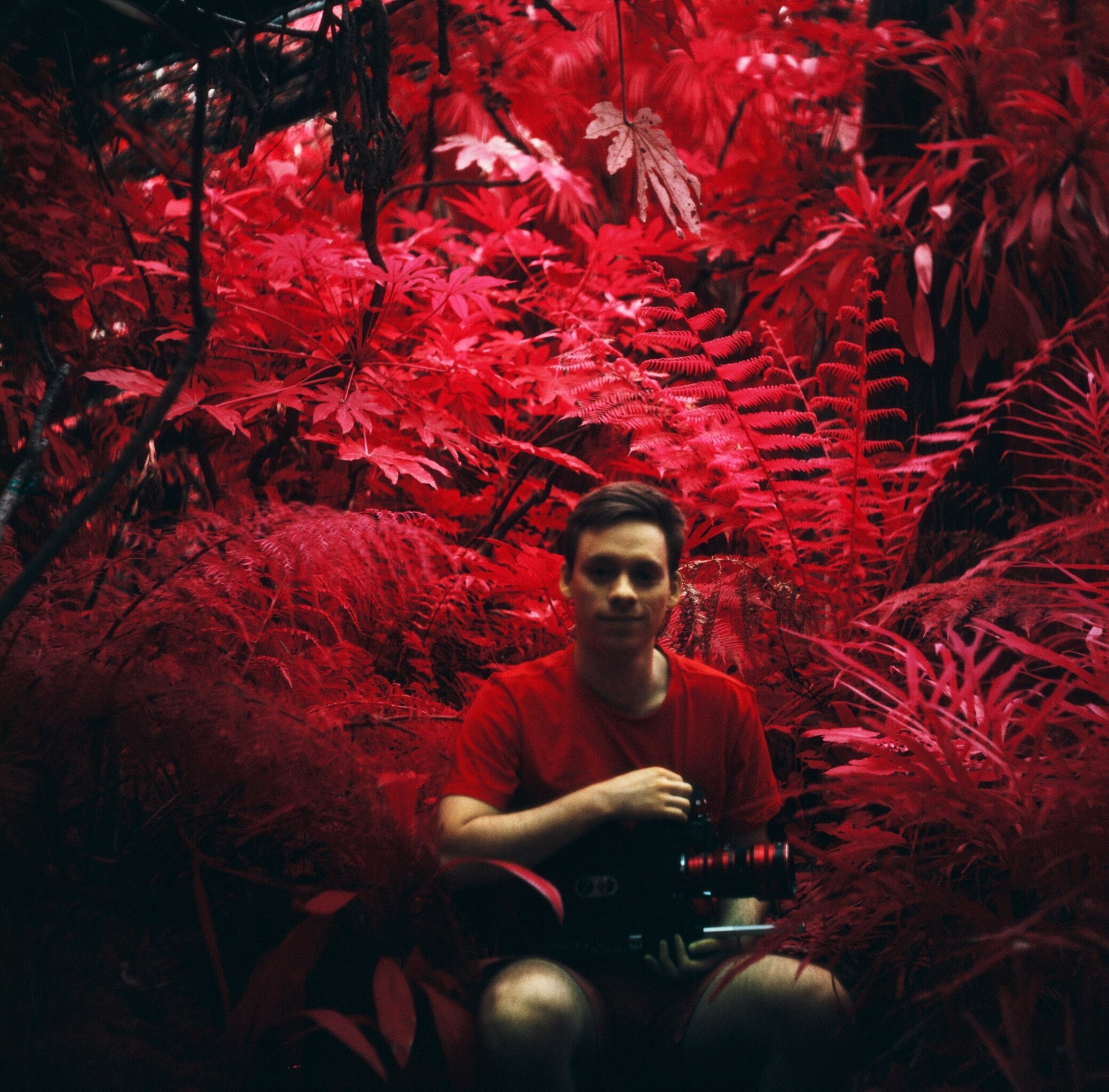
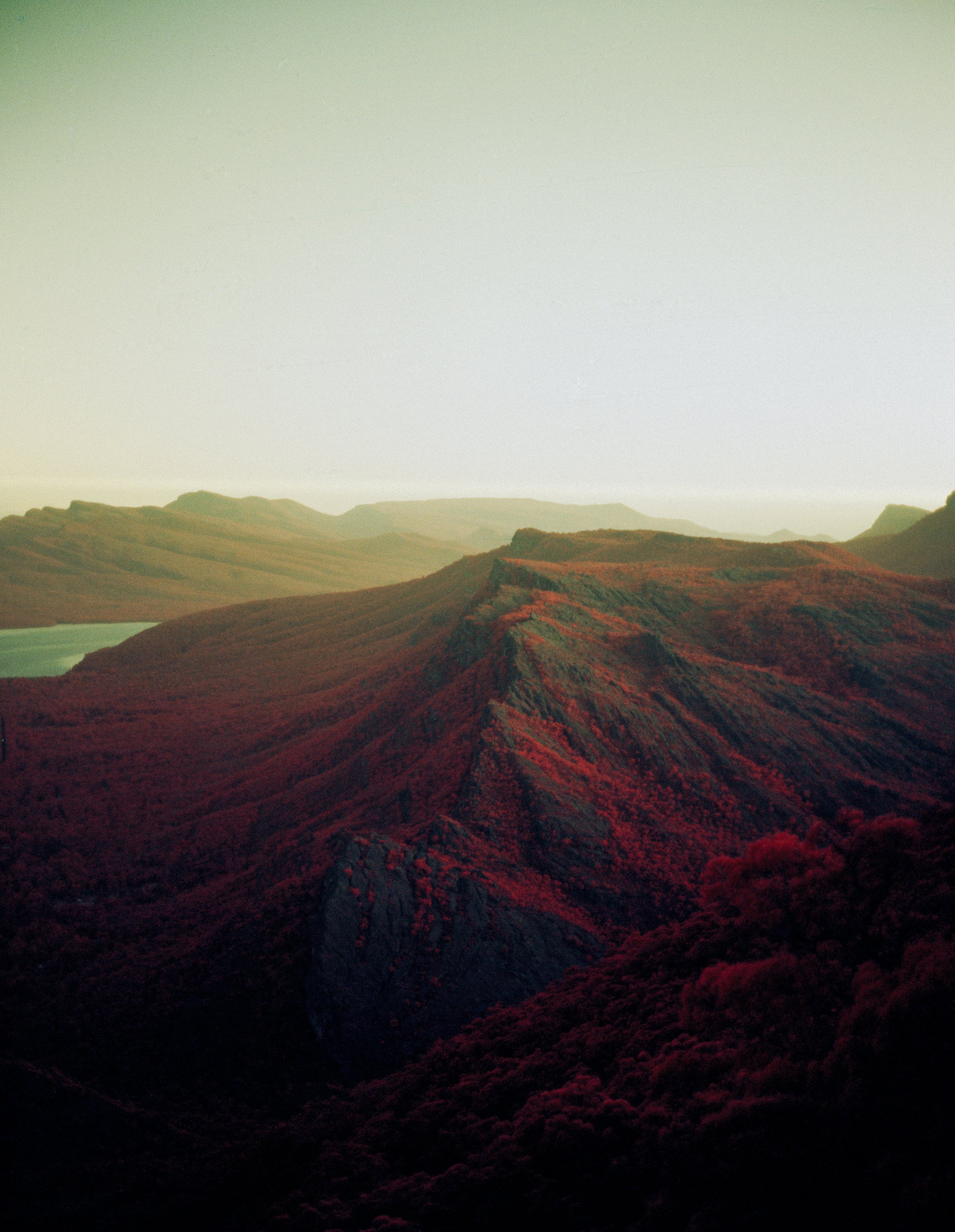
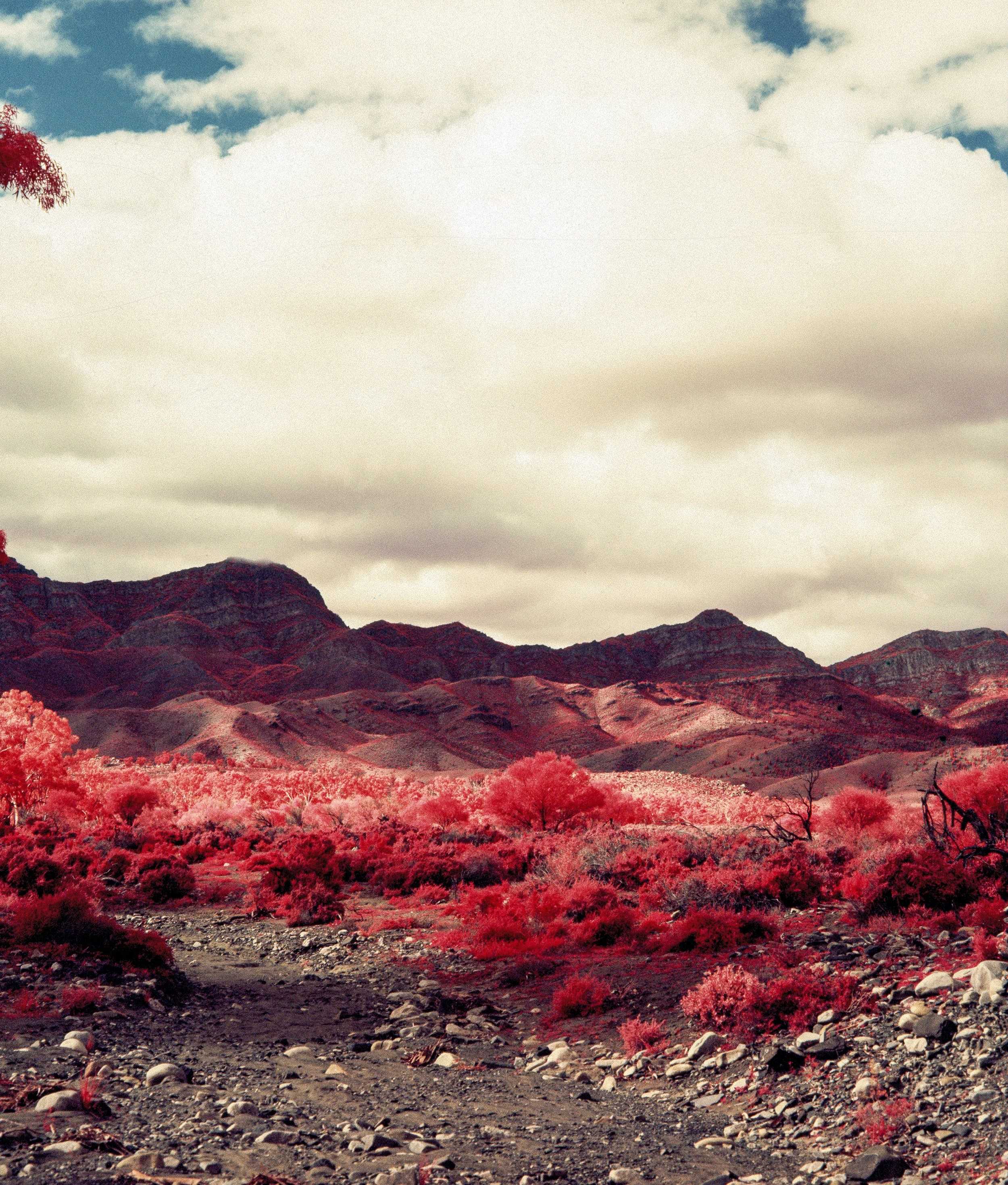
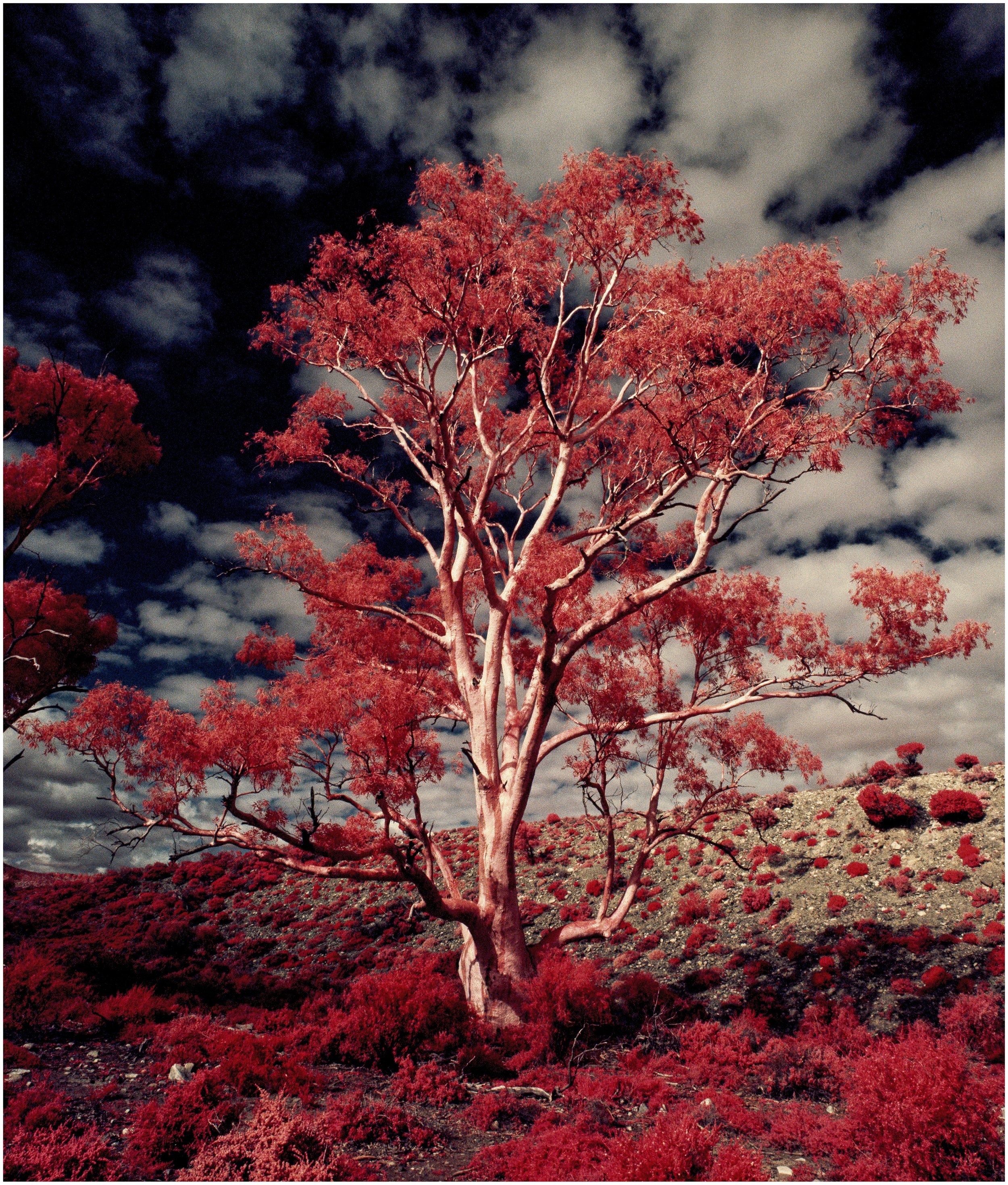
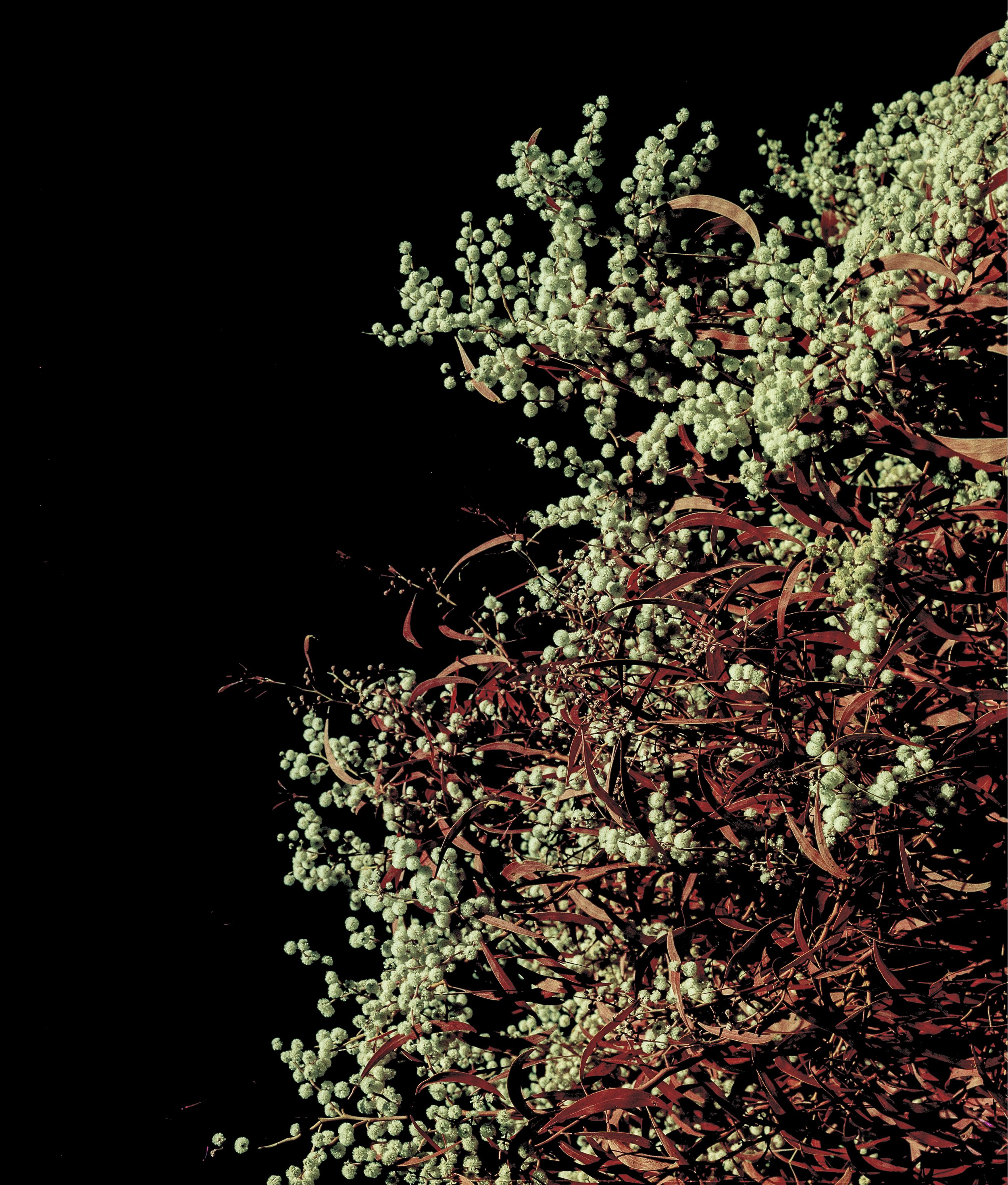
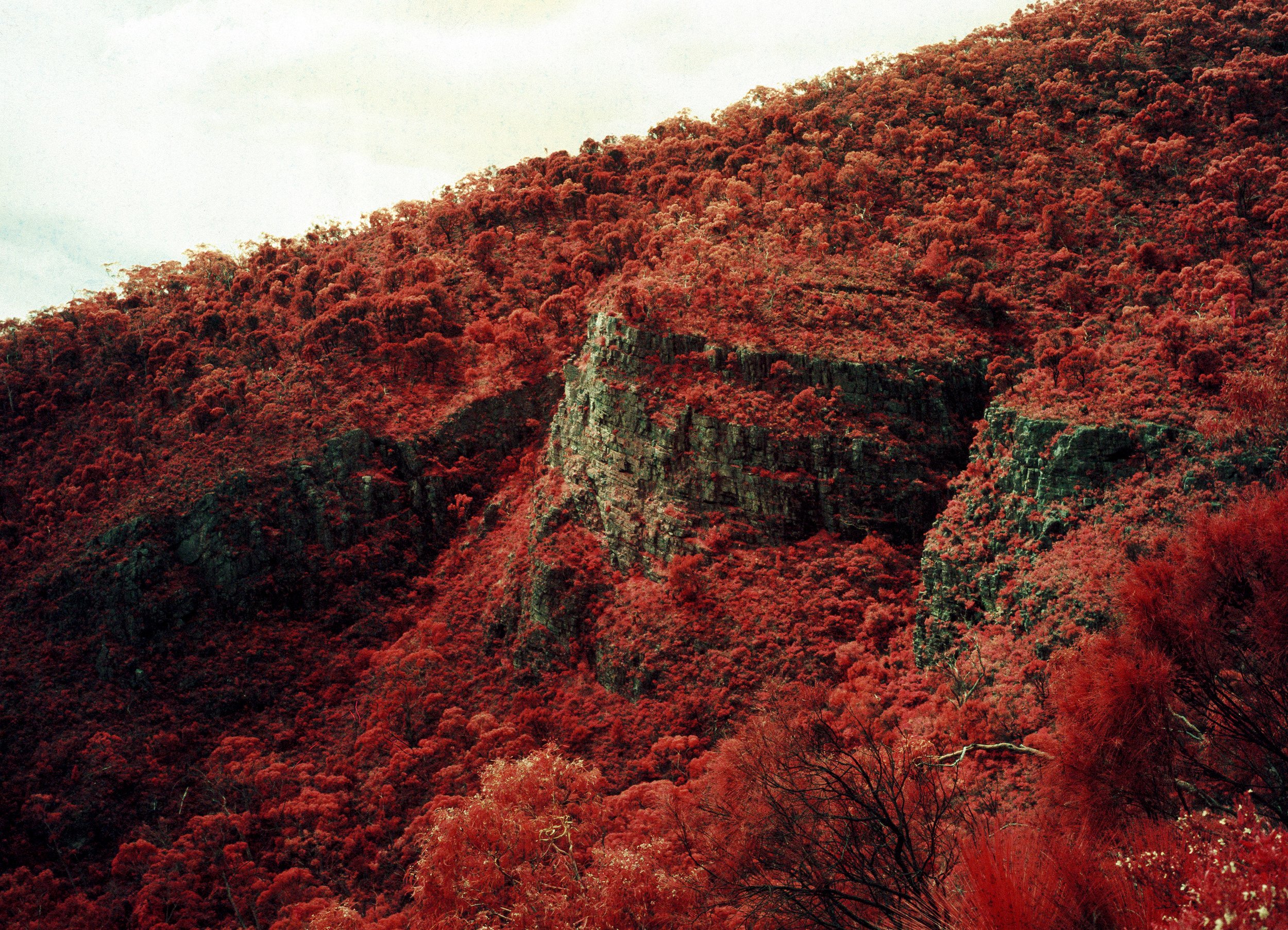
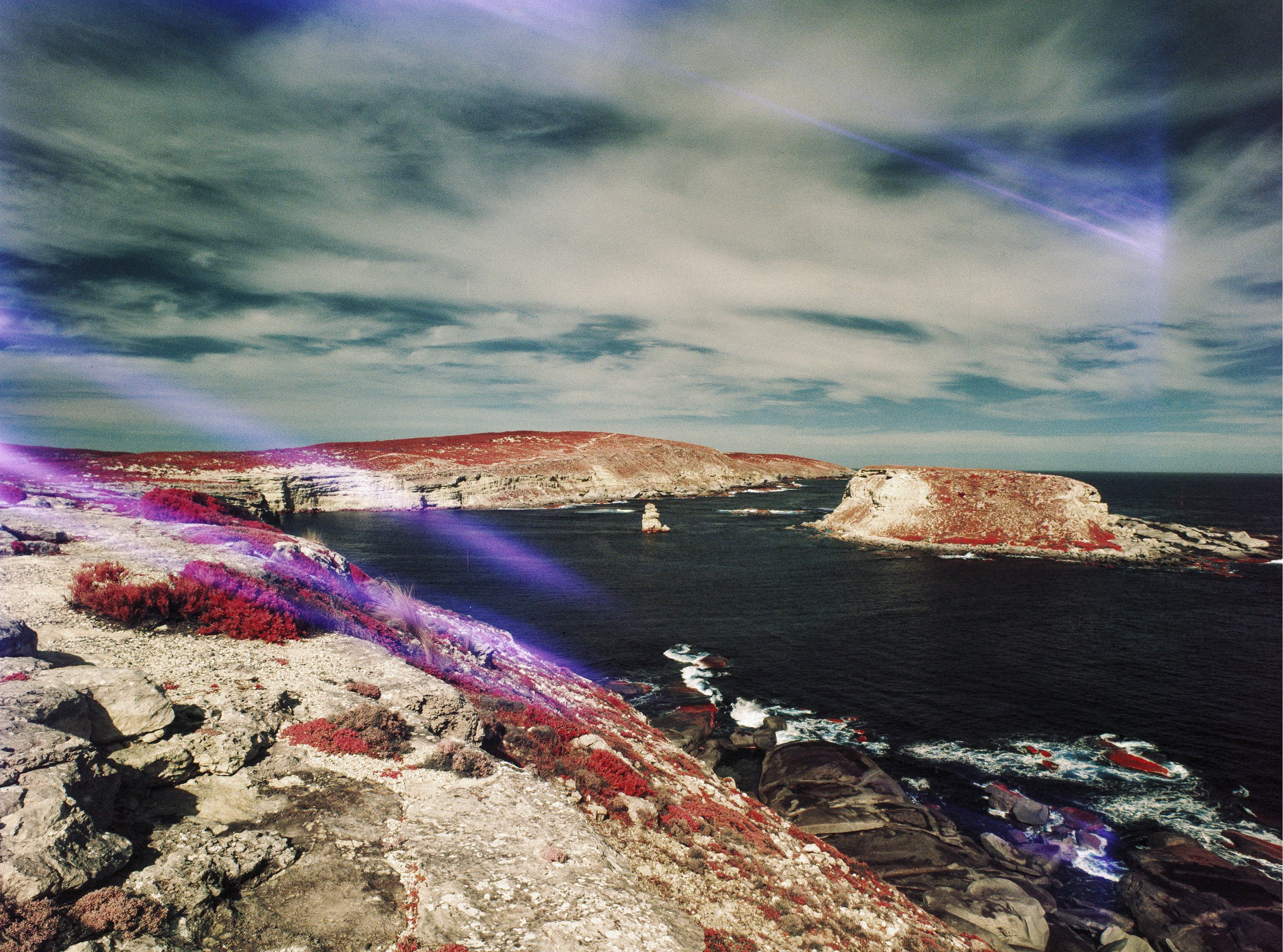
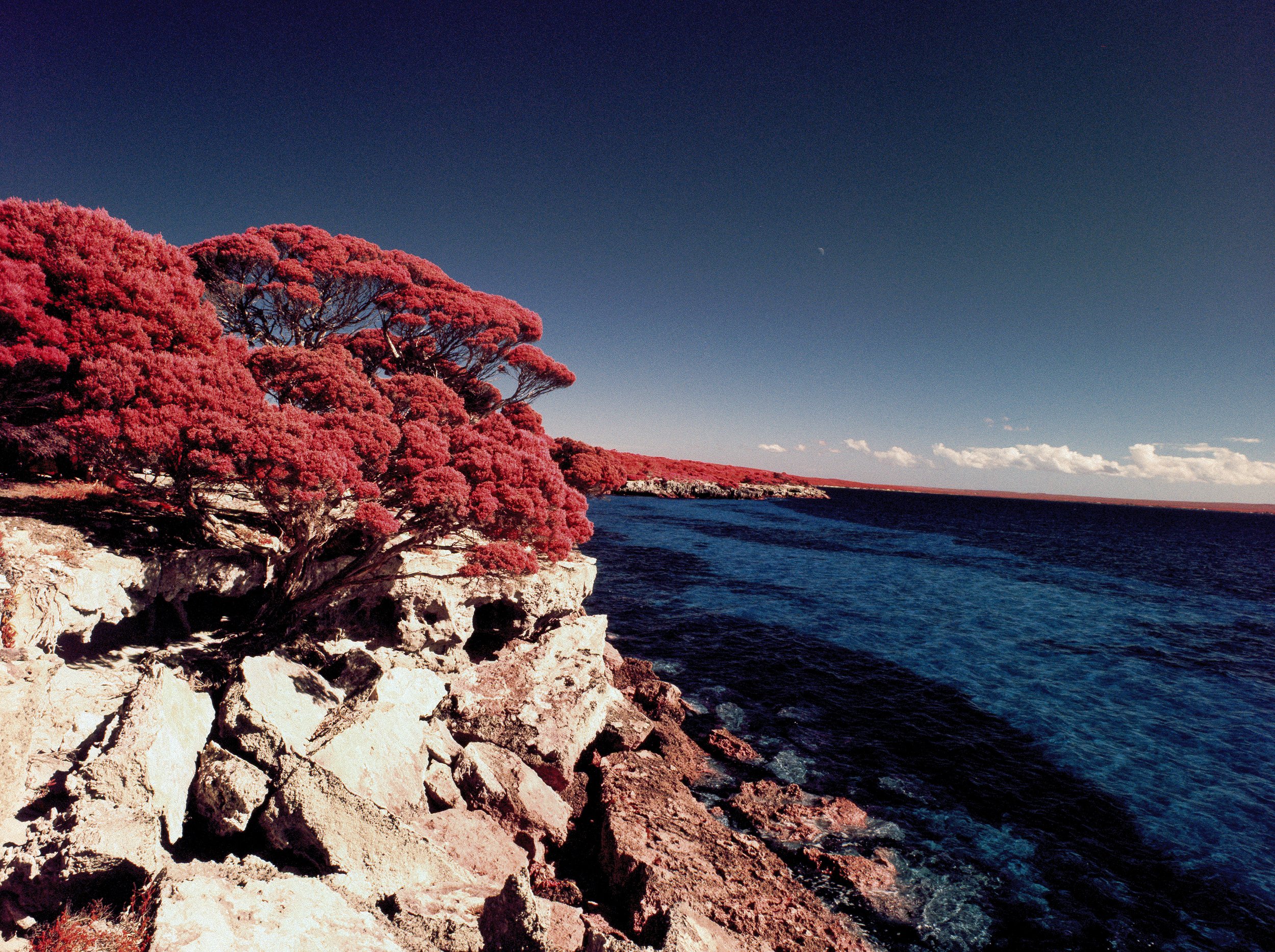
In this episode… Paul sits down with artist, film maker and photographer, Bryce Kraehenbuehl. Bryce is the 2026 recipient of the SALA SOLO art prize and snagged the judges with his RED EARTH series of landscapes filmed and photographed with vintage colour infrared film. This episode is a deep dive into a young artist telling important stories and bringing community with him.
Helpful links:
https://www.instagram.com/bruce_crayonblue
https://www.instagram.com/wombatworkshoplab/
https://twoupfilms.com/
Apple - Spotify - Buzzsprout
Transcript
PA is Paul Atkins
BK is Bryce Kraehenbuehl
PA 00:15
Hello listeners, welcome to another episode of the Atkins Labcast. In this episode I sit down here on beautiful Kaurna land with Bryce Kraehenbuehl. Bryce is filmmaker, stills photographer. He's the winner of this year's SALA Solo Art Prize. So that's the prize that us, Gavin Blake from the Center for Creative Photography and Dr Patty Chehade from Praxis Artspace is what we give each year to a SALA recipient. Bryce caught our eye with some fabulous wildly colored film of some Australiana that um well, it's really interesting. It it it was very discomforting the imagery, and we'll explain it, we'll discuss it, we'll nerd out about it in this episode. But, you know, Bryce Processes his own motion picture film. He teaches other people how to do it. He's a great still photographer. He's a great videographer. There's a lot to learn from this guy, so I hope you enjoy. This episode Okay, good, that I mean. It's great. So tell me about the cave divers getting married.
BK 01:30
Oh
PA 01:31
below the ground.
BK 01:31
Can I tell you about this?
PA 01:33
Well, you haven't told our audience.
BK 01:36
Okay, right.
PA 01:37
Because this is our first recording together and it's a good story.
BK 01:42
Right, so uh. Well why would there be an underground wedding? Uh, 'cause that's where my mum and dad got married. That's where my mum and dad met, sorry. So they met So a little bit about me. My parents met cave diving. I think they met From my understanding, which if they ever hear this, they're probably gonna tell me it's completely wrong. Doesn't matter. Yeah, well that's that's something that the Like the project that I want to make about them is actually about is kind of that whole familial folklore that happens where the stories kind of become Uh what's the word? Embellished? Yeah, embellished or just change. Like I think that's the thing about like folklore is, you know, over the generations they change, change, change, change, change, and then the stories become bigger and you're not sure what the truth of the kernel is. Anyway. My thing my parents met at the corner of like one of the sinkholes in Mount Gambier. Okay, so how long have they uh were born here? Yeah, they were born in S. A. Mum was working in Mount Gambier. Uh is in ninety -three because they got they were
PA 02:52
But they met in ninety three.
BK 02:53
Yeah, and they got married in ninety four. It was like six months. And apparently Mum was going out with someone else. Then found dad and she was like , Yeah, but that's when they're young, it's sort of like No no no, this one's good. My parents did the same thing, dumb dating than a swap seat. No, no, it wasn't like that. It was more like I think she met him and then was like, oh, this guy's really good And in your opinion? Yeah, I mean they're going cave they are next week they're going to Mexico to go cave diving. Um and they're also going to go see bears in Canada. How old are they? Mid-sixties. Mid sixties, right. They'll probably say no, we're early sixties. So they kind of met a bit later. Um thirty-two. Right, right. I think I realised I'm nearly as old as them when they met, which was a bit scary. Yeah. How do you feel about that? Oh not good. Not good. Uh thirty was fine, but finding out that your parents are yeah, that was the only thing that I found funny. But essentially they met at the top of a they met at a sinkhole, from my understanding. And then everything went well. And then the ground looks flat, but there's a big hole. Yeah, yeah, yeah. And it goes down to a just looks like a lake. Yeah. Oh okay. It looks like.
PA 04:04
Yeah, a low lake, though, like below the ground.
BK 04:06
You've seen Blue Lake.
PA 04:07
Yes. That's a sink of it. But it's got like a crater around it, whereas a lower Mount Gambier is like a hole in the ground and you look down and you go, oh my god, there's a There's a whole lot of stuff. Yeah, yeah, yeah. I'm lit maybe Little Blue Lake is a better example. Yeah, right.
BK 04:19
Um but yeah, they met and then I think they went cave diving and diving together. Um, I don't think they were buddies at that point. I think they actually had different because if you don't if You have to have a partner. You have to have a partner, yeah. Um die Oh will yeah. Are they d are they really risky people? No, not at all. Cave diving is the most boring thing on earth. Yeah, but people all the time don't come out. That's because they don't pract like I remember Or is that a myth? I think it's a bit of a myth. I mean it depends on who you are, like I when I grew up I found cave diving the most boring thing on earth because they used to like plan, there's heaps of equipment, and I'm like, I'm never doing this. So you've never been in that world? No. I love caving. But cave diving requires that extra level of Yeah, holding your breath. Yeah, quite literally. Um
PA 05:06
you okay with the squeeze throughs and the oh my shoulder doesn't fit this way if I took it.
BK 05:10
Oh you just don't go in those caves. Okay. There's different ones. I mean, I think the cave formations and stuff are great. I haven't been for ages. It's something I miss. So I'm hoping with another project I'll be able to work with them on that. I just want to tell a story about my parents. I think there's something that happens when you first start making uh Maybe this is more of coming from a film background and coming younger, you really cringe at your family stories and go like, oh, I don't find this very interesting.
PA 05:36
Yeah.
BK 05:36
Um and oh, they're boring, blah, blah, blah, blah. But then as you I guess grow up and maybe have some grandparents or family or friends pass away, you kind of realize how important those stories are. And ironically, You like I'm thinking like, oh my parents are in their mid sixties. Like they're not gonna I don't think they're gonna pass away soon, but they might start off diving soon.
PA 06:01
Yeah.
BK 06:01
And I'm like, well, I wanna make an exhibition about them that is um while they can still dive.
PA 06:08
Okay. So let's let's go back. Um where like were you a filmmaker or a stills photographer first?
BK 06:17
Oh, if you want to go way back. Yeah, like where did it all start? Well, I think my dad started teaching me photography. I mean, he would say he's artistic, but I think he takes photos more for kind of documenting, kind of like that, you know, I want to take photos of nature and stuff, like less artistic prints and more like I want to take a photo of a jelly in the snow. Yep. Um and so I learnt on a little DSLR. Um year eight year nine started. So we're talking You sorry, when were you born? Ninety six. Ninety six, okay. So it was my ninth year.
PA 06:54
So early two thousands you were start monkeying with a camera.
BK 06:57
Oh yeah, no film. No film. It was or I never started with a film camera results at all.
PA 07:01
Yeah. But there were early digitals, their little point shoots and it was like a pen tax
BK 07:05
thing that my dad had. Yep. Um and then I did media studies at high school. Um I wanted to be an aerospace engineer Oh really? Yeah, that was the plan. Um
PA 07:21
but I'm su I'm sure you're happier because that's
BK 07:23
sorry that was an awful lot. No, no, no, no, no. What happened in year twelve was I think I remember exactly what it was. It was in the like it was the point of year eleven and year twelve. Like that holiday period, that summer holiday period. Oh yeah. I was like you gotta kinda make your mind up Well, I was doing math studies. I did math studies, chemistry and physics. Right. And then I was gonna do specialist maths, which is the double math. Yeah, yeah, yeah. Math RP. And I remember looking at that, looking at the homework over the holiday period and being like, this is rubbish. I hate this. Um, and so I talked to my maths teacher and I was like, oh hey, I really want to do media studies as well. I want to do an extra subject, but it's on the same line as specialist. What should I do? And he was like, Well, if you want to be a engineer like you really do just do it like do a bridging course yeah afterwards do the media studies if that's what you like doing more And if you want to do aerospace, do that. And so I was like, okay, I'll do media. Really love that. Because I'd done that in year nine and ten. What was it about media that you liked? The storytelling? Oh. I think it was just making things. Yeah. That was real film. So that was filmmaking. And then I went for a bachelor, there was a bachelor of creative art screen at Flinders, and then there was a Bachelor of Science, Clean Technology. So I decided not the engineering, but I wanted to either design clean tech Or like, I guess be an engineer. I don't know what I was thinking. But either way, I was like, I want to do a Bachelor of Science Clean Technology at Flinders or I want to do a Bachelor of Creative Arts Screen. Yep. And I remember screen being the more competitive one. Like it wasn't really an ATAR-based. It was more portfolio based. And I remember like not knowing what to choose. And so I went, okay, if I get into The screen department, that's what I'll do with my life. So if it's um portfolio base, what were you showing them? Oh just some terrible movies I made it at high school. Okay. Um, but I was like, okay, if I get into that, that's what I'll do with my life. If I don't, I'll do that with my life. So I got into screen and then
PA 09:25
I've done film ever since. So film was always the the lead into everything, into your career.
BK 09:33
That's how how you describe yourself. Or just yeah, I mean, I know it's very typical, but I guess just an artist. I think that that's something that's interesting with um I find it a lot with multidisciplinary artists is they kinda go like, oh, you're a filmmaker or this. It's like, yeah, I'm a filmmaker, but Depends on what um But that's where you get your dollars from. Yes. Yeah.
PA 09:52
I mean sometimes they take photos, but don't get that much. No, no, it's it's always tough with stills. But you know, like it's a good representation Um and the reason why I'm interviewing you because other than you being an interesting person and doing interesting things, um, you won our SALA Solo Award last year, or early this year, which a l and enabled you to put a show on this year Which was really a multidisciplinary uh exhibition with some incredible skills and some motion picture shown and shot on 16 mil motion picture film that I think in some ways the performance of the projection The sound of the brrrrrr of the film rolling. Um, I think it was you know really turned into a multidisciplinary thing, you know, l at least three in that world, wasn't it?
BK 10:35
Yeah, I I think the the thing is is um I've always wanted in some ways to be a photographer. Like as well.
PA 10:42
So what what what photography made you think I want to be a photographer? Why what is there a particular photographer or a genre of photography?
BK 10:50
Oh I mean really the big one Um, is Ansel Adams. Oh really? Yeah. I mean I know that it's black and white and not so crazy, but I think also having been to a couple of the United uh the US Park Oh yeah, Yosemite. Yeah, Yosemite 's the big one.
PA 11:08
Oh yeah. I mean I my first instinct was he was lazy that he kind of never left there.
BK 11:12
Yeah, but the none of the paths were there. That's the c
PA 11:15
No, I know. But it's just all there. Yeah, it's like you just turn around, you're like your heart drops and you feel the air leaving your body because it's so beautiful and intense Yeah, it's great. I mean I think that So wasn't that beauty of that that Ansel was transferring through his work that you want to be able to communicate that same grandness? I think it's just
BK 11:35
um I don't know, you kinda I think when you're starting off you kind of go from at least myself, you go from genre to genre to genre. So you take Portraits. Get good at one and you move. Or you're like, or you don't get good at it. Yeah. And you're like, oh, I'm not good at this. And so the one that I kind of ended up gravitating towards was landscapes. Yep. Um I'm not sure why. I think it was just
PA 11:59
Is it some people uh don't realize but they're into landscapes because there's no people to deal with. Are you uh are you one of those people that are more happy by yourself not, you know, without that sort of having to get in get someone into gear to shoot them
BK 12:13
I think it's because I don't like the directing of um models and stills. Okay. Like I like directing motion. Yep. Um, which is kind of the irony of
PA 12:24
Yeah, because it's collaboration. Filmmaking is all collaboration. Photography is pretty much a solo thing, you know. Well that's the thing is
BK 12:33
photography and film, or like um motion picture or whatever is um directing people is so different. Like it's kind of ironic that you think that Because you're a photographer, you can also be a filmmaker and vice versa. But they're two really different mediums. And so I really like directing people with action. And so that's what film is, but in terms of directing for stills, I kind of find it, you know, I was never really getting what I wanted out of it, or the expressions, or the moments, or
PA 13:09
Anything like that. So did you have a Cartier-Bresson phase where you were trying to capture people without, you know, reportage without getting in their way? Just was that part of it. Oh yeah.
BK 13:18
I mean everyone does their little street photography and then your little 18 year old and so you take a picture and then someone confronts you and you cower away. Understandably. Especially these days. Yeah, yeah, yeah. I remember remember that. But yeah, no, I had like moments of You know, you do your street photography, you do a portraiture, you do this, you do that, which was all on film. So I kind of did stills when I was a little kid just learning and then kind of went into A couple of friends and a Hong Kong trip in particular for university. We I bought like a shitty little half-frame camera. Yep. Um and I just kept shooting film after that.
PA 13:56
So that um what is it about now we're saying film is this motion picture
BK 14:01
always cellulos. Yeah we're talking about 35 mm and 120 film.
PA 14:04
Yeah yeah oh and um. A 16 mm motion picture film comes into the station and super eight and super eight. So what was it about recording onto silver halides that was the what did you what why did that grab you?
BK 14:19
That's a tough, like, tough question because there's like the version of it now, of me now saying that, which is this intellectualized version that's gone over multiple times. Sure, sure. But I think initially it was just the fact that You didn't know what you were gonna get. Yeah. Um, I think that there's this interesting point with the younger generation, like my generation that grew up with DSLRs being able to take photos. Well they're on the back of your thing, yeah. Blah blah blah blah blah. Like because of that. you don't have to try to take photos and you don't have to worry about the lab development. And so you're like it's so easy. Like, you know what I mean? Yeah, I found that a bit of a turnoff and you wanted it something a bit harder. Yeah, if you could take like 2,000 photos, 3,000 photos while you're away, it's like, oh okay, I don't care about any of these photos. But you know, if you take 36, you're like really thinking about oh really interesting. And also you have no money as like a uni student. That makes digital more attractive, doesn't it? For some. Yeah. For some, but for the the people that consider themselves Capital A artists. Yeah, yeah. And a bit wanky. And a bit wanky at uni, which is me and a couple of my mates.
PA 15:36
No, we can like I'd speak one of my mates who's at Stills and Motion Guy, and he's like probably one of the best in the state, if not Australia And I can't talk him into shooting film. It's like why it's just like he wants to shoot digital. It's like why would you? It's just like it's just such a waste. It's such a But
BK 15:53
he grew up on film, right?
PA 15:54
Yeah.
BK 15:54
Well I think that's the interesting thing, is it's the difference between people who grew up on film and the people that grew up on digital, right? People that grew up on film They had all of the problems with the lab. They had all of they everyone has their horror story of the lab ruining their film. Everybody has they accidentally flashed their role. one of the film batches was bad, a wedding got ruined, the film got lost in the post, whatever it was. So that's their trauma. Yeah. And like, oh, we could only take thirty-six photos. Yeah. Oh my god. And then we had to rewind and I missed moments or blah blah blah blah blah. And then it's like digital comes and it's like, oh my god, I can take every single photo I ever wanted.
PA 16:29
Yeah.
BK 16:29
But If you come from digital, you can take any photo you want, ever, ever. It's but it's always the same. You know, when you take that photo in the camera, it's gonna be exactly the same as what you did. And you're like, great, cool. I know exactly what I'm getting. And then I think fun though, really. No. And I think there's also an element I at least I find and with having taught a lot of other people how to use motion picture and celluloid stills in general is what they find is they like the randomness. And they like the weird artifacting like light leaks, but they also like the fact that they're capturments That are important to them on this format that's imperfect, right? In that Everyone can take a million photos on their phone anytime they want, but the choice to shoot on something that costs money, I think, means that It kind of means that the this is special. It's like buying a vinyl record. It's like, why do you buy a vinyl record? Because you own the physical media. I mean, some people do it because of the quality, blah, blah, blah, blah, blah. But some people do it, no, I want to support this artist and show that I support them in this way. And I think it's the same thing with film, is it's like capturing a moment on film for a lot of people, at least the younger generation, is about saying, no, this is important to me, whatever this is. That could simply be a party. That's what I have found And you try and explain this to older generations that like are full in on digital and they're like, yeah, get it, but I disagree.
PA 18:07
Yeah, no, I see. I I mean I'm I'm an old generation that began with film. But I'm in a unique situation, I suppose, at most. Yeah, and I do, but I I don't and I shoot my iPhone a lot And I but I've got access to DSLRs and I don't like using them. I've g um I hate the menu systems, I hate the complexity, the buttons, I hate the working out well, I'd you know I'd love to You know, picking up a medium format, even without a light meter, you know, and just meet even metering with your phone or metering with your eyes and then just setting it and sh like I'm in this room now, I know that what the light should be, and uh everywhere I point the camera it should be around about that. And the cameras are not reacting. There's not all this crazy stuff going on. That's what I enjoy about the film. And also I love the artifacting. You're making something in on something real. And it doesn't feel like I mean you're on the shoulders of engineers, but my God, with digital, you're on the shoulders of engineers. Like I engineer after the layers of people gone to make that image work. Well I mean you can't understand it. Like
BK 19:09
I don't think I I'm sure some people can understand it, sure. But like the thing is with film, right? Like genuinely, and it's not the easiest thing to do, but you can make a box, spray paint it all black. You can then get a huge piece of plastic, put a emulsion on it And I mean that's not the easiest thing, of course, but you can legitimately, if you want, create the whole thing. Yeah, with some really basic stuff and just doing like a cookbook. It's essentially like a cookbook you can make a camera and film. I can't really do that with digital. I mean I don't know how to make
PA 19:50
it a little bit No you get a flathead scanner but then there's someone else's work in the sc you know like yeah you're right. Yeah exactly. But how do you make a s
BK 19:56
Like you can build something out of the yeah.
PA 19:59
You need microprocessors and you need 30 years of development and you need
BK 20:03
yeah. No, I I get you. I mean the most basic is is imprints. Yeah. With um Cyanotypes.
PA 20:12
Cyanotypes are brilliant for that. It's a great example. This is the first printed photography to appear in a publication was you know, Anna Atkins in England. Nothing to do with my house, but she did cyanotypes of stuff she found at the beach. Yeah. And um and she recorded it. And you know, there's other ways of doing that. I mean if you just put a piece of paper out in the sun and cover it It's gonna, you know, the the UV's gonna bleach certain parts of the. Anyway, let's go back. You're a maker, right? Um you like to make stuff. So that Making d and part of your process of shooting is that you process your own stuff as well, right? Yeah, generally. So you basically set up a lab. Did you have to
BK 20:48
It's only because you couldn't do E6 anymore. You were the reason why personally I got into it. Not not I don't don't tell me that. Hey, that's better. That means you got the images because of
PA 20:59
because of the broken machine. Correct. But I I don't know how the Um, motion picture is different. Our dip and dunk processes could never do motion. We used to do motion picture back in the day, um, and we used to do like four-minute turnaround of developing for um evidence based stuff. Like you shoot an event, like um a a finish of something like that, and then they would use the film to determine who the winner was or whatever. So we used to do that. So we used I know what's involved in it, but actually processing color Motion picture yourself. Like that's a big thing. Have you made equipment for that?
BK 21:34
Oh no, you just use old Russian crap. It's great. Um it's not crap. It's like, well I think I would describe there's like these old tanks called Lomos. And um They're either something that will last you 50 years or five minutes. And it depends on which manufacturer you got it from. Yep. Um, which I love about Russian stuff is like it's either the best or the worst. Yep. Yeah. Um Just an old mate outside. It's an old mate. No, no, no. But essentially there are these old tanks called Lomo tanks. And essentially they are light type Um developing tanks. Yep. And they have a capacity usually of thirty meters. Um so a hundred feet. Hundred feet, five minutes, four minutes. Uh two minutes 45 a spiral on 24 frames a sec. With super eight. Super eight. Right? Because there's two spirals. Yes. Each is 15 meters. 15 plus 15 is 30. Yes. And then 16, you get 100 feet. Gotcha. So if you use a hundred foot roll, which is the standard kind of daylight spool 16 mil, you have to cut it in half. Right, right. Um they're the like the normal ones that like There's this um group of crazy analog specialists called like like it's kind of a group called artist run like it's artist run labs essentially And essentially it's a bunch of these crazy people, including myself, that essentially make films analog and develop their own work. They usually have these limo most of them have these Lomo tanks. And they're rotary processed No, they're just like Oh, so you just hand twist it. You just hand twist or well the better way, of course, is to actually agitate it up and down. Yeah. Tumble owls. Like rotary. Oh no, if you tumbled it, the liquid would all fall out. Oh no, this is a sage and um but yeah, essentially it's a light tight tank. Yep. And then there's a spiral, and then there's another spiral, and then yeah, you have to literally hand wind in a hundred feet of film or fifty feet of film, which is a lot. I know 36 is like dick dik. Yeah, and even that's annoying. Um but Yeah, I mean it's better if you have a dark room. I've done it in a dark bag before, but that's really
PA 24:00
And and and and you know, eight mil is so thin and tiny. It's so small. You got surgeons' hands. Uh no, you just make a lot of mistakes starting out. That's where all the artifacts the cool artifacts come from, right?
BK 24:12
Yeah, it's funny. You get When you first start and you get it right the first time, you're really keen with all the artifacting. But as you get better and more advanced, you start wanting to get it exact.
PA 24:22
Well that's this is the thing that I and the people in my world have always struggled with We spent our entire existence trying to get rid of artifacts to get perfect processing because the stuff was going for a catalogue or, you know, magazine or so someone had reversed the traffic on the Sydney Harbour Bridge to shoot the latest XJ-S Jaguar when it was released. So all the money to turn the traffic around is shoot the Jag. You want no brain. And so you want nothing to go wrong. And so the film comes back to you in this pristine bag blowing in lead bags so that the X-ray wouldn't affect it, all that kind of stuff. And then you process it and it's gotta be perfect. So like artifacts are like our nightmare, but Now I do a lot of uh tin type wet plate myself. I just adore a lot of it. And the stuff that you've got showing in this series, uh the re red earth. Um uh Like, it's incredible. And the and when the when it's imperfect, it's so much more interesting. Yeah, it's funny, right?
BK 25:18
It's like cause you maybe it's just me, because there are some Like so I'll do my own little plug, which is I like as well as doing all my commercial stuff, as well as doing all my work, I also run a community that I call Wombat Workshop, which is just a just fun little alliteration. That's kind of it. Um when I'm teaching people there, I sometimes get back the scans and sometimes the developments really bug it up, like really bad. And I get really upset. I'm like, oh my God, I've ruined their film. Blah, blah, blah, blah, blah. Even though it's hand processed, it's even bad for that. And then they look at it.
PA 25:53
Like, oh my God.
BK 25:54
And they go, this is the best. Like, how do we do more of that? Yeah, yeah. Like, oh my God. Like That's the same feeling. Which is beautiful. And I have people ask me specifically to hand develop their film because they don't want a lab to process it. It's rare.
PA 26:09
But um No no we get it we get we get that like and people asking us can't you just like can we not uh stand on a guy like we can't because The next person that we're processing is it's God of McCreep. Do you ever have people do film soup here? Oh yeah. And so what we we have a process where We remove the chemistry from the dip and dunk machine and we then put it in Patterson tanks.
BK 26:31
Oh, so you do you do process film
PA 26:33
soup? Yeah, and so we will we will pre-rinse If people talk to us about it, we will pre-rent stuff and um you know it's it's tricky. But we've we've got a lot of Do you want people do you want me to put people on to you or do you want to want to pay for it, but they but we we do like we had one guy who's Camping his camper van freezer battery 12 volt battery system died, the butter melted, the 120 film was not in a bag and it got covered in butter. And so we had to, you know, basically get the butter off before we pre but it well, this was we're talking about wedding portrait, like really stuff. But it wasn't mucking around. Um so yeah, we get all that kind of either by accident or Um and so yeah, we're happy to do it, but it's it's like we gotta be I mean, unlike a mini lab machine, it's easy for us to pull apart stuff. But also we have 40 litres of dev in there, so we won't put it in the in the dev. We we will process it outside by hand. Well
BK 27:32
it was funny we had a um As part of my workshops, I was teaching, like essentially through the workshop people make films. And there was one team who were wanting to tell Well, we're wanting to make a film piece kind of about identity and particularly like gender. So they wanted to put like a bunch of things in like film super Um, I think it was the detergent, but they were putting like testosterone gel and that in. Um completely fucked the film. Looked great, like they loved it. They loved it. It looked so good. Um no, it did. It did, but like um It was so funny afterwards, like the chemistry I have, it still smells of like even though I like washed it, pre-winced it, blah blah blah, it still smells and it's like I think it's gonna be a few more batches until that actually That's wild.
PA 28:19
Fixes. That's why so as part of this year's Salah Festival you did a workshop that was as part of the wholesala event Uh that was really popular. Like I when I spoke to the director of SALA, she said, oh people just raving about it.
BK 28:32
Yeah, it was so it was for infrared, black and white, and then we developed in a process called caffeinol, um, which a lot of people have heard of. It's the very typical eco-processing uses coffee, vitamin C as the developer. So those two together work as the developer, I think the Coffee has it's instant coffee in particular, so like international roast, which you can't drink. No one wants to. No, I say that.
PA 28:55
There are people out there who like
BK 28:57
Well, they shouldn't be You know, we've got such good coffee. There are people working here who'd who've installed. Well, we've got such good coffee culture in Australia, like, you know, you can get a bit better at that. A bit better than that. But maybe that's a bit snobby. I think the only thing good for international growths is. Um, and then the vitamin C acts as a kind of allows the uh what's it called? allows the ingredient in the coffee to develop faster. It's not an accelerant, but it kind of like those two act together. Yeah, yeah. So vitamin C is the more active and that's why uh when people are doing like wine and oil or beer and oil. Yep. Like w a lot of these other things, you know, beer and vitamin C, this and vitamin C, grass and vitamin C, like it's kind of the coffee is the thing that can be taken out and replaced. So you got Is it is that the citric acid of the
PA 29:49
of the
BK 29:50
uh orange? Yes. Right. Yeah. Whatever the yeah. That's doing the work. That's the vitamin C, then yes. Yeah. So that's doing the work and then it has um so they're the developer? Oh
PA 30:02
no, vitamin C, that's not the C oh whatever.
BK 30:04
Yeah, yeah, yeah.
PA 30:05
Look it up, listeners. Yeah, yeah, yeah. Two great scientists sitting here discussing how to truly scientist now. No, you know yeah, right. Okay. So this is where you did the the the path
BK 30:19
Yeah, exactly. Yeah, yeah, yeah. You know what happens is I loved film and loved art. I fell in love with art and then I was like, I miss science. And so this is where that came. Oh wow, that's wild. Yeah, I miss like really missed it I was like, I can't believe I don't have any science in my life.
PA 30:34
I mean I love that about lab life where you do get to measure stuff, titrate stuff, you do get to pH, you know, you get to play with yes, experimenting and you get to play scientifically
BK 30:45
No. But to go back to it, vitamin C and coffee act as the developer. Yep. Then you have washing soda acting as stop bath? No, I believe that though this is all part of developer. Okay. Um acting as the exceller? No, the alkali. It's acting as the alkali, so making it into the colour. Well that would be Um and because the developer is an alkali and the fixer is an acid. Yes. And then you've got the you've got table salt You can. Um, it's not as good. Or potassium bromide as a restrainer. Yeah. Um restrainer essentially being something that stops the film from chemically fogging. Yeah. Um I'm sure people and the listeners know, but essentially. If you don't have a restrainer in a developer, it essentially means like the black parts of the image develop and you get this fogging the um chemicals. And so that's the developer. Put it all in, smells absolutely disgusting. I love the smell, kinda gives me this weird nostalgia because it's how I started developing first. Um and then you wash it and then you wash it as a stop bath and then you fix it just with the regular Ilford Rapid Fixer, but I think the people who did that um workshop really enjoyed it. Um so we shot infrared 35 and 120. Um they kind of we had like a I can't remember what it was. It was like a the low infrared filter
PA 32:14
So describe to the listeners what the infrared images would look like if you photograph like a garden. What would
BK 32:20
Right. So the thing is is it's like what infrared film if it's got an infrared filter on it. Because if you ha use infrared film. Okay, let me start that again. So if you have infrared film, usually it is So it's sensitive. Sensitive to infrared light. But it also is usually very sensitive to visible light as well. And ultraviolet or not at all? Not usually ultraviolet. And so what you have to do is you have to use a f infrared filter, not an infrared filter that cuts out infrared, because that can be confusing. Because you know, when you if you usually use it, you put an infrared filter on and it stops infrared solution. What you want to do is do the opposite. Yeah. So you get an infrared filter and it cuts out all visible light. And then what that does is all there is capturing is the reflections of infrared light. More of the subject. Yeah. So plants, especially in the sun, generally reflect a lot of infrared light. So trees will kind of go very white and then the sky doesn't reflect any infrared light and so blue skies will usually be black um depending on where the sun is as well. Yeah, the atmosphere and everything.
PA 33:34
Yeah.
BK 33:35
And so you've got these really interesting kind of surreal images. Also people's faces. They kind of soften and people's eyes go black. So they're really weird. Cool. Really strange. And then the only other thing to think about is if you have a low depth of field, because you're cutting out all visible light. Infrared light wavelengths are different. And so the focus changes.
PA 34:02
Yep.
BK 34:03
Um usually with the normal like roly infrared that we have now, that's fine because it's um not sensitive to the higher infrared wavelengths, but the whole the old um the old IR like Kodak What's it called? Anyway, it's a really like um really sensitive infrared film. And that's the stuff you gotta change in in a bag. Yes, that went. You should get lenses that have the f right focus rings, the infrared, um, and you know you could Yeah.
PA 34:41
But that's pretty rare these days. Oh, it's not being made up. And so the infrared that you're getting a hold of is actually not that dissimilar to regular film. No. But it's a bit more sensitive down that end of the spectrum.
BK 34:51
Well apparently Roley's to the infrared and then another one of their black and white films of the same film that's the online forum rumors, which I never know if they're real or not.
PA 35:02
I know, and we see that a lot with different speeds of film. Like they say this film could be either four hundred or eight hundred and you go, uh, so what actually is it? And you know it's one and the other's just a bit underexposed or a bit overexposed. Because really Negative film you can overexpose at two, three, four, five, six, seven, eight, maybe eight stops and it still behaves. You still get a ha half decent image. And in this day and age when expectations are different People are after artifacts and it doesn't matter. So film is like way one way to save money is cut your variants down. And so that's exactly what Kodak and Fuji, whoever's making the. Oh, the the film now is Amazing. Yeah, the quality's amazing, but it's so moless of the variances that used to be out there. Well, I mean no the new Kodak Vision stock doesn't have any REMjet. Yeah, that's amazing. So Remjet was a coating on the film to prevent static electricity buildup in motion picture gate.
BK 35:55
And stopping halation. Yeah. And halation is
PA 35:57
bouncing off a
BK 35:58
essentially film is a for those who don't know, film is transparent. And so what could happen is if there was too much light coming through the film, if it had no hilation, it would go through the film And then it would hit the gate and then it would come back into the film and create this ghosting effect. And so Remjet is this black, anti-static, anti-halation layer that stops that from happening. But the problem is for you guys, if people re-rolled it, you have to get it off and it would gunk up machines.
PA 36:24
Yeah, yeah. So the getting it off process, we all know how to do it, but it's bicarbon you you treat it differently and you And it's a but it's a bugger of a process. Uh and it's really bad for mini-lab machines. It kind of trashes them. It's not great for prolab machines, but you know, films afterwards will come up with spots of black on it from the from Lisa Remjet. And especially an old
BK 36:44
um with older Ramjet , we're finding that if it hasn't been stored properly, um, the Ramjet almost doesn't come off. Like I had one person's feature film uh not feature film, short film that they show on 35 with his expired stock that had hadn't been left in a fridge and I had to like they sent it to the lab, it was left on, they got it scanned and it was completely unusable Yeah. And then they got me, I had a bathtub full of bicarb soda physically rubbing all of this stuff off. And even still it had so much REM jet on. I did I think it was three or four days worth of work scrubbing. And it was like 10 minutes of footage.
PA 37:21
So let's just go back because it the uh people would have heard that if they've tried to buy strangely rolled film or unusual film. They've probably taken to a lab and they've the the lab may have said, has they got REMjet and they don't know and they find out they have and then that lab won't process it. Or the lab uses it and it trashes their machine. Right, so that's where we're coming from. But that film that REMjet was put on by the motion picture filmmaker, Kodak or whoever it was, to prevent these two problems, halacian and for static buildup in the gates. So it's really just a motion picture you know, issue really. And bolt rolled load down. Yeah. Um so the um the you will we've been through uh black and white infrared film The reason why we sort of headed down this path a little bit is because your current show, Red Earth, is on color infrared film Which is really a total bizarre thing. And it was really used for aerial surveillance back in the day, uh, when you photographed a landscape from the air, particularly military purposes, mapping purposes, whatever um it would then certain objects would reflect you know the infrared spectrum and you would see them differently. But tell us how the colours work in that because we're talking color film, right? The show looked amazing because of completely unearthly and it and it's actually the reason why the judges, so there's three of us, um, and we didn't know you from a bar of soap beforehand, but what you pitched were these unearthly images of familiar scenes that we had all we all knew Australian bushland or we we knew like these views. Well hang on, is that Australia? But how come All these colours are asked about Lint. So just tell us what happens with the colours and what you were doing with this work. Because it was originally motion picture, wasn't it?
BK 39:07
No.
PA 39:08
It was
BK 39:09
actually originally it was originally still.
PA 39:11
Medium format?
BK 39:12
Yes. So um the kind of most famous example in recent history of the use of this film was Richard Moss's series. enclave. There are a couple of iterations of that. There was the stills one and then they went and did some 16mm. So you found that inspiring was like, oh really I think I just saw it and was like, wait, how did you get that film? What's all that about? And then you find this guy called Dean Benizzi who he bought up heaps of this film. in I think it was probably the late two thousands, um, like two thousand and nine, two thousand and ten. Um you bought all these bulk rolls that were being sold off 'cause nobody wanted this shit. You know, they're like, don't care. It's weird. It doesn't matter. Like the last time it was You know, there are all these digital imaging coming through that you can do for all this surveillance, so we don't need this. So there's that's one form. They don't need their and then it had its kind of like heyday for artistic things in kind of the semi seventies. So you have like Jimi Hendrix album covers, um and you've also got uh like some weird experimental films from Japan. Um and then I haven't really seen much else of it used. It also got used in that Isn't that awful Colin Farrell film, I think Alexander? Oh. Yeah, it was like this 35 mil. It looked horrible because they didn't shoot it well. Yeah, I remember that. Um yeah, it looked awful, but that's okay. That's all right. They tried their best. Yeah, yeah. Um I think it was just like they probably only had a very limited stock and then they didn't probably have the time to test it or they wanted that look, which was weird.
PA 40:49
Yeah, 'cause I remember uh listening to the Deacons podcast and Roger's talking about the bleach bypass stuff he he's done to get a an interesting effect with my so they Top-end motion picture guys were mucking around with things trying to get a look that would be unrecognizable to the. Yeah. So this is kind of what what you've done with this work.
BK 41:07
Yeah. So it it essentially I It started off as stills. So I bought some of this film while I was overseas when and I was like, oh my god, I want to try it. And I got to try a few images and got very lucky with the first few images I got Um actually got it developed by you guys. Um, got really lucky with how those images looked and then had this idea because it's an A6 process. Yes. So revert to positive to positive. Yep, yeah. Slides, whatever you want to call it. Yeah. So in 2016 I started that process and was like, I really want to make a I wanted to make a film, but there was no access to any of the motion picture version of this film. Like it had all sold out. It had all gone at that point. Yep. And so I'm like, I'm never going to be able to make a film using this. I thought about ways maybe I could cut the film and splice it and sprocket it. And I had that crazy idea and when okay I'll just make it stills and so over the period of like the last ten years over a long period of time I've taken you know, many stills of parts of the Australian landscape. Um and then in 2023, I was lucky enough to get an experimental grant called the Hanon Larson grant, uh, or fellowship, should I say And um I the previous year, because I knew that this grant was around, I had talked to another error chrome photographer and was like, oh if you ever get any 16mm hookups, let me know. And then one day Instagram messaged me is like, hey, I've actually talked to Richard Moss. And he's gonna sell us. And he's gonna sell us some. How much do you want? And like three rolls. And it costs So a roll is four hundred feet, which is eleven minutes, and it was something along the lines of $2,000 or something per 11 minutes. And the side.
PA 42:59
But you gotta process it. In the film world, it is. Yeah. And then um In the sitting down looking at a screen world of them, yes long enough.
BK 43:08
And then I was like, okay, I hope I get that grant Because I bought it and I was like So you spent six grand on it. Something like that. And plus postage. And I was like, I hope I get the grant. And then I did. So it was very funny. So awesome. And then so it became I used the stills. in the film, but they were kind of a uh off the side part of the film, a kind of part of the narrative. Yep. Um like it's an experimental film, so I use narrative and invert commas Um and but it was ma mostly motion picture.
PA 43:41
Was there a narrative to the Like what are you trying to say with it?
BK 43:46
Well, I mean, I think it's it 's just got a it's in the same way that the exhibition was. It's it's kind of the world of the film, like the world of the gallery piece, was set in a world where the there has been an uncovering of an archive of these old photos of these places um that have gone extinct due to climate change with that being places that are still around today for us. Yes. And so the idea was abstracting the landscapes in using this Eerochrome film as a way for the audience to kind of reflect upon what's still left to save. Because I think there's something around and it's kind of coming around again now, but there's something in the climate change sphere s especially. And um habitat loss and destruction so, oh, there's not much to save. Like we just give up.
PA 44:40
No, that's it's kind of distressing, I must say, the show.
BK 44:43
Yeah, I mean , in a
PA 44:45
in a like if you're partial and you know, like I'm I'm quite I I would I'm quite sensitive to that stuff and quite romantic and I project all the time, like I'm always following my emotions around. And so I found it to be quite distressing and And it's one of the reasons why when we first saw your little proposal and I say little because we're looking at these little stupid thumbnails in a That stupid webpage, which I just I can't stand up. But this is what it is, you know, it's the process we can't get around to see everyone's grand ideas Um and then we went to the Vimeo and watched the film, each of the three judges and looked at it and thought, oh, for fuck's sake, this is really cool.
BK 45:22
Well, that's the thing, right? Is it's like that's the thing about an experimental film is that you know you go like what's the narrative, right? And like the narrative, when I say narrative, that doesn't mean what you expect from a film of like, you know, you got your three-act structure, you've got the hero's journey, whatever that stuff is. Um with this film is it's more about an experimental film and what I really like about that is the fact it's supposed to wash over you as an experiential Peace. Yeah. And so the idea is not about getting ideas across first. It's about getting feeling across first. And energy, I guess, which I'm not like a very energy person at all, but like I feel like the one place I can get that is in the cinema. I actually find it a lot more interesting as a place to show experimental works than the gallery because people kind of have they're not forced to watch Not not that a cinema forces you to watch anything. Like our own style. Yeah, yeah. We don't have our eyes open and you know. No, no, but it's a different thing.
PA 46:26
You put the phone down. I think majority of the audience watching in a m movie theater has their phone it.
BK 46:32
I mean I speed run in galleries. Like my partner hates it when we go to well, she loves it. She loves going to galleries. We love going together because she's an artist as well. But I'll like get through a gallery in ten minutes and she'll be like What? And I had a great time. This was amazing. I'm like, time to go. Let's go get lunch. Have you got ADHD? No, no, just autism. So She's got
PA 46:51
to come in a pair.
BK 46:52
Yeah, yeah, exactly. She has the AD, I have the auto. You have the both. Yeah, you're not going to be able to do that. Which is funny because like there's like there's stats that say that all my best friends that Uh like they all has ADHD.
PA 47:02
It's kind of a weird. Yeah, yeah, yeah. I get it. I mean I I think no, I I think it's cool. And speedrunning is it's not a bad thing. No, I love it. And and like stuff sticks with you still. And if it sticks with you, it's really special.
BK 47:14
It's not like Like I think the thing is I'll go around an exhibition and if there's something I don't find interesting, oh next one, next one. But then I'll stand at one piece of work for 20 minutes Um and go, that was amazing. But that's all I looked at. You know, everything else I've kind of looked at, I kinda it's not but don't take it the wrong way, I think, in that it's not that I don't appreciate the art that's in the gallery and bored. It's more just a case of the way my Yeah, yeah. It's kind of from piece to piece. And that's how I process fast. Interact. Yeah. I just interact with it differently. Yeah. Um but yeah, it's a hopefully like the idea of experimental work is it washes over you and Um, you get that experience through the sound, through the vision, through the visuals, through the editing. And then my idea for 'cause that's the film version, right? And then my idea for the gallery piece was twofold, which is you know, because it's a photographic prize. And I talked to you about it, I talked to Gavin about it. I talked to Patty about it, who were all members of helping me get this so Patty runs praxis Gavin runs CCP who did the mentorship through and then you did the printing and the Atkins version And so from the start I tried to really and I think I think I went through with it was I said, no , this is a photographic prize. This is not a um moving image prize. And so I I still want my moving image in it because I think it will be a bit of a No we we wanted it in it. I know you I think it's
PA 48:44
we wanted the multidisciplinary we wanted because I Photography suffers from being photography, right? And it needs to be there with art. And You did that.
BK 48:56
Well the idea was like I'll let my photos be the main piece.
PA 49:00
And they were. And that hero piece. Exactly. I cannot shake that. I love that one. I love that. It's my head and I cannot shake it. Yeah, I yeah I'm gonna have to get a copy. I'm gonna have to bot. I'm gonna have to do I just can't shake it.
BK 49:13
Well you ha yeah.
PA 49:14
I can't shake it.
BK 49:14
Anyway, keep going. It's lovely. Keep going. Um and so photos first. And then sound. Because sound is always well, sound's actually always first, I think. But
PA 49:27
yeah, I think Well, you don't pay attention with your eyes, but you are you're getting it.
BK 49:33
Um and holding too. It's the atmosphere. Yeah. And so then there was the sound. Dirty secret. It is, yeah. And then there's the moving image. Yeah. And so the idea of like wanting what I'm trying to do within a gallery is take what I've learned from film about holding audiences, about atmosphere, about tone. And bring that into a gallery to be engaging and kind of trying to make sure that you're thinking about not saying that other artists don't do it, but it's just more something that I want to create a gallery piece that I want to see.
PA 50:08
Yeah.
BK 50:09
Um
PA 50:10
Then maybe you'll stop in front of it for more than
BK 50:12
Exactly. Yeah, yeah. Ten seconds. Yeah. Um, and I think a lot of gallery work's really, really, really beautiful. Of course, you know, I'm not but it's more like I get it. You just do what you want as an artist. And I think naturally people will go towards that.
PA 50:26
It's so refreshing dealing with and I'm not sure whether it's a generational thing um because you're younger than me but um but you are not making work to You're not thinking about other people when you're making it. And I'm not saying you're being selfish, but you're doing the right thing. You're making work that you want to see on the wall yourself. You're not going, oh, what's going to sell? Who's interested in it? What's a, who am I, how am I? And I know you tried to please us by having all those conversations with us in that sort of a world. I know I felt that. But the best part about it was you know, we chose someone who actually wanted to do what they wanted to do. Um and that's a really cool thing. And I do think it's generational. I think it's the same thing of kids being taught to stand up in class and talk about themselves, which is a very discomforting thing for a lot of people. But I think it And people go, uh , it's all about themselves. But yeah, I think we need a lot of that.
BK 51:15
But I think it's also like because this is the interesting thing that happens when I talk to Because I do a lot of work. Like a like I do I am very productive and do a lot of things. um across multidisciplinaries. Like one person knows me for this, one person knows me for this, and one person knows me for this. Because like the other day I had one of my students that I really like she's really lovely she's a friend as well and she was like oh you're the experimental guy and I was like what like you know it's like oh you don't do like you don't do narrative and Like narrative film. Yeah. I've done heaps of narrative films. Yeah, yeah. Um you know, it it's that you just haven't come up from the right angle. Well, well, what I'm trying to get at at the moment is the fact that you're like, oh, you don't think about audience and stuff. It's like, I do, but not with these. So my experimental work and gallery work is for me. and for telling very personal stories. So for Red Earth, it was that like connection I had as a kid. to the landscape. Not just as a child or a kid, but it's like one of the first things that I always loved. You know, like I think when I was a little kid, my dad took me rock climbing and I had like Echidna, I fluffy echidna, or fluffy monkey or something, we went up a wall together. Yeah. And so it's like You know, uh like I've got a little photo on my WhatsApp of me as a kid and I've got like a Tassie tiger, I've got a platypus, and I've got a Tassie devil. And so it's like I've always loved the landscape, sort of, especially the Australian landscape and deeply can feel deeply connected to it And so that's, you know, I go if you want to tell personal work, where do you start? Well, you start without people, at least for me.
PA 52:57
Yeah.
BK 52:58
Um, as a body of work, this is the way I'm approaching is you start without people and say, okay, you got to start with landscapes. And then as we were talking about a little bit earlier, I'm like, okay, well what's the next thing? Well it's kind of my parents. So then I'll make something about my parents about them cave diving, which is also about
PA 53:13
Okay, so you've got let's we're circling around and we're getting close to the end of the interview. Um uh You're you've come up with this idea of making a film about Gallery Piece at the moment. Gallery piece. It'll probably be both. About and now you've got some Funding you've won? No, no, no. I'm going for funding. You're pitching for funding for the idea. Okay, so what what's that a part of? Where who who you're proposing to for it?
BK 53:39
Uh at the moment we're proposing to create a say it's a big swing. Probably will be a miss, but that's okay.
PA 53:45
We won't hold it to you.
BK 53:46
Yeah, yeah, yeah, yeah, yeah.
PA 53:47
It's all feels random some of this stuff. But they'll look they'll look at all the ideas and it's a uniquely South Australian Like Gambia. And the nullabore. The nullabor, sinkholes, underground water, cage systems, crazy parents.
BK 54:01
Yeah. It's got it all. It's got it all. But yeah, I think it's a case of Um, with these works is like, okay, I've done one just about landscapes without people. Now let's try and put people into these landscapes. Um and I think Thematically, what I find really interesting about that or the cave diving aspect is um The fact that a lot of people, I mean, you even said it, a lot of people find cave diving and caving really scary. But for me, it's kind of reminds me of like the love of my parents. like one of them coming together, seeing their wedding photos in a cave in Narracourt. But it's also like going caving with them and being like turning off all of our lights and just sitting in the dark with the damp smell and um like sound of water dripping. It's like to me it's a really warm feeling. And so it's like, okay, well Are you feeling your Batman? Yeah. Exactly. And and all the amazing like Uh stalictites and stalagmites, straws and blah blah blah blah blah. And the stuff that glows down there too. Oh yeah, glow worms, the little crickets, little caveets, the bats. I just think that there's an element where just like how with Red Earth, I was like wanting to show this landscape in a way of like, hey, look at, it's kind of putting a magnifying glass up to the audience and saying, hey, look at this. Please. Like I find this really interesting. I think you will too if you just keep looking.
PA 55:30
Yeah.
BK 55:30
It's the same as what I'm wanting to do with caves. Like caves are a really interesting ecosystem. My parents found connection through this. Um and I love it as well. It's like look at this and like this place is actually really interesting. Yeah, right. It's not just about landscapes, more about my parents, but I think from that perspective. Um at the moment it's just um mostly moving image. Yep. Um I might get some stills or Maybe I'll print up some big sixteen millimeter and make it big and have heaps of grain and stuff. But yeah, I think it's just in terms of my next piece of work that's gallery based, I think I want that to be that.
PA 56:10
Yeah, wow, that's wild. And are you working on any big films at the moment? Oh, it's too much.
BK 56:16
Um so there's my regular work, which is fine. So what is tell us about your regular work? So regular work is just a mix of Corporate videography. So like I am Paul Atkins and I run Atkins. Blah blah blah. I love it because I get to see people every day. Okay, and they get chopped up and then they get chopped up, or I chop 'em up and then do that. Then there's like producing the cricket. So for those who love cricket, the one who cuts the cameras, so Do you have any complaints about the ship? Is that right? has complaints about that you can complain to me. But don't tell them that.
PA 56:54
There's people complaining all over the shit. Oh yeah yeah yeah yeah yeah we've got to Okay so you you produce the cricket. So that means during the summer season You're glued to a booth or what happened?
BK 57:03
Uh just the just the domestic, so the international 's a much bigger team. Yeah. Um it's only like three of us with that. So there's that. And then I'm also writing my first feature film through South Australian Film Corp. Screen Australia and Adelaide Film Festival Grant which is the grant that you that you get. That's the one that means that maybe at the end I get to make a feature film for my
PA 57:24
okay.
BK 57:29
co-writing with um my co-director so myself and uh guy called alex alkizovic co-writing co-directing and then our producer um jasmine leach or jj um she is our producer. Can you tell us anything about the film? Yeah, I'll give you the brief. It's essentially about a guy who buys and sells AFL merch or like footy merch to um to get by and to be able to afford to get into games. No was he. One day he's approached by an ex-footy player, like a rough kind of Barry Hall type. And is like, um, you've been forging my signature. I need you to pay me 10 grand by the end of the week. I'm gonna bash you up. So he goes around trying to find a way to pay him back all while like a parasite has infected his brain and turning him into a giant cockroach. It's kind of a weird yeah, it's a very different like it's like kind of these two completely separate things, but I think it's like there's always a little bit of humor in most of it. But and then like I've got a film about a man in the Adelaide Film Festival this year. So I've got a film about a guy. Um went up to Cooper Pity, which is also landscape. Oh my god, like a wild place. Yeah, yeah, yeah. Man-made Oh yeah, it's about this guy who went up in the 90s because he had a bit of a mental breakdown. Yeah. Um and that That's half the town, isn't it? Oh yeah, yeah. And then he developed this phobia of pigeons, like the sounds of pigeons in particular. And so the only place he could think of to go where there were no pigeons was underground in Kuba Pete because his brother used to work there as a police officer. And so we kind of made it he's this basin in your truth or is it just No, he's a DOCO. Okay. Oh the DOCO. Yeah. Well Dog experimental DOCO. But he's in his Early seventies now and like at that point he was kind of looking like he was gonna die of cancer and so it's like this um interesting reflection upon the town of his life. Um yeah, and that's really I was awesome. Yeah, that was all shot on 16 as well and some infrared, so Um there's that and then last of all the last of all is like I've been teaching these workshops of course and then while doing that I've gone to Melbourne and spent time with one of those artist-run film labs I was talking about called Artist Film Workshop, which is Names on the Thing. Well done. Names on the Thing. Uh and then Uh I was mentored initially by Richard Chewy and Diana Barry, who are their own lab owners or were. Yeah. They've now um changed owners in a in a good way. Yeah, yeah. Um I think they just want to make their films. Um and so we've got a bunch of films coming from there. I've got one of my films, got one of a filmmaker called Alison Chaun, who filmmaker and artist. I think she's a really, really amazing um artist who works between both. I'm kind of filmmaker first, artist second. She's artist first, filmmaker second. Maybe she wouldn't like me saying that, but that's what I think. She's the way you think about it. That's the way I think about it. She's amazing. I you know, she's so good. Um and then on top of that, we've got all of these about seven or eight films that have been made during these six month workshops I've been running at my one bat workshop. And so essentially over a period of six months. One Sunday a month, they would come in and I teach them kind of facilitate and then they'd make all these films. And so it's like super eight, sixteen millimeter, all experimental. And so it's bringing the stuff we've made in the workshops Um the films from Artist Film Workshop, a couple of hero films from Allison and Richard and Diana, and then one of mine. And yeah, we're screening that at Adelaide Film Festival. So So that's the eighteenth of October.
PA 01:01:23
That's so awesome. That's a that's a lot being shown. So how long will that Will that run?
BK 01:01:27
So in the program it's 89 minutes. Yep. Um it'll probably be closer to two, two and a half hours in the sense of not watching that the whole time. That's too much for experimenting. Unless there's some drugs involved. Yeah, exactly. But you know, um, you know. That sounds wild. But 45 minutes QA 45 minutes QA. And then the idea is to have downstairs a friend of mine who's a musician and a filmmaker. He's showing Um, some as some super A Anamorphic film he's made. And then I'll be putting the red earth prints down there with projections. So it's kind of like a celebration of experimental filmmaking and um expanded cinema. What a what a place for it. Yeah, it's it's Singapore. Yeah, I mean it's great that they've um come on board and and supporting that. I hope we can do it again, but Um that's a that's a serious
PA 01:02:23
do you find your la last question You can keep going, it's fine. Me too. Um Do you you then have to edit it though? Like and I I just love the f free flowing conversation and then we stop. Oh this. Yeah, yeah, yeah, yeah, yeah. Um so um do you like do you ever say no Yeah , you do, do you? Uh, this there's a lot going on and it's a incre like I personally think it is The secret to happiness to be taking biting all this stuff and chewing on it. I d I personally do. This is my opinion. Is that what you're what you're doing here?
BK 01:02:59
I think it's like you start off At least in I think with film in particular, it's a very pesty industry. Um, in the sense of you have to be annoying and pushing and pushing and pushing to even get a a sniff of being in this industry if you have no connections. Right. Um and I think for myself in particular I just don't stop. And so I started that used to be doing other people's things. Um, and I kind of had some bad experiences, which just happens through freelancing, just like bosses and stuff that we're tough to work with or Collaborations, etc. I don't work with them anymore, so you know anyone who listens to La Bossa is your good Alan. A little caveat. Yeah, yeah, yeah. Just a little caveat. But essentially I kind of got sick of working on things that I didn't like.
PA 01:03:57
Yeah.
BK 01:03:57
Um, and so I was like I think it was when I got that grant for Red Earth, I was like, you know, I'm actually gonna make a real um push to just work on my own stuff. Like I have to get paid, of course. Yeah. But really taking those risks to maybe not make as much financially. Um, like I'm doing fine, like I'm not eating beans or anything. Yeah, yeah. But not there's anything wrong with beans. Oh no, it's just like if you have to survive off beans, I'm very sorry for you, you know. Unless that's your special interest. Yeah. Your special interest. Um But I think it's just a case of I was like, okay, what if I take those lessons and that pest energy that I've learned from filmmaking and apply that to an artistic practice? That's so cool. And so it's like, okay, well and then also the other thing that I realized is there's a couple of community organizations within South Australia and I wasn't liking what they were doing.
PA 01:04:56
Yeah.
BK 01:04:56
Especially around film. um or finding it quite difficult to find a place where I felt like I f you know fit in and there was a lot of disparate communities of artists and filmmakers separately, but they didn't come together. And I found that interestingly the thing that brings them together is film and celluloid. For filmmakers, it's kind of um Something to do with prestige, I think, of like oh all my great artists or the great filmmakers made it on film. Yeah, yeah. But then for artists, it's tactility. And so what this kind of creating a community does is it one gives me purpose and being able to give back to people that are younger than me, because I think that personally it's really important and I don't think a lot of people do it, it's important to look forward And always look forward, but also like looking back and teaching people. I mean, it's like caving. That's what you're supposed to do. Well, caving, you go forward and then you look back to make sure that you know where you're caving. Yeah, yeah. Um so you support I I think it's actually been the thing that even though I'm really happy with the work I've created, it's actually been one of the most beneficial things to myself has been running the community stuff is like even if it you know, isn't growing as fast as I want or doing if it doesn't do as well as I want, it's like it's at least providing a space and uh materials and a like place materials and expertise and a community at the heart that they can't get anywhere else. Um and really caring about that and trying to promote people to make their art because I think that Most people are scared to make their own art or don't feel like they don't have the time, but something I've been able to provide, especially through these six month-long workshops. Which are like just the cost of materials. Like, you know, it's like $300 for six Sundays of work. Plus they get lunch with it. So it's not like it's not like making shitloads of money. It's not some like crazy divorce. It's more about like having people pay so that they're invested in it.
PA 01:06:58
Yeah. And they turn up.
BK 01:06:59
And they turn up. Yeah. Um but giving them a place to feel like they can make work again. Yeah. Because so many people will I remember developing with some people and they're like, I don't have time to make work. Blah blah blah blah blah. And I'm like What are you doing now? Yeah. That's what we're doing. We're talking about. And so it's like even though I love making art, I love making my own work, it's like doing that and supporting other people is something that I think um I don't know, it's been so beneficial. Um and something I was really surprised by, I guess. That's amazing. Anyway, that's why you should come to Adelaide Film Festival and pay ten dollars the cheapest tickets. At the Adelaide Film Festival, I think.
PA 01:07:33
You should never shop on price. I reckon there'll be uh more reasons than just probably the most uncomfortable chairs. I don't know. I'm just looking them. They're stacked on the roof of your Van. Escargo out the front. It's not an escargot, but it's about the size of a looks like a cockroach sack van. Oh I love it. It's a gorgeous sort of I love those it's not a minivan because Americans will think a minivan is a.
BK 01:07:51
It's like a mini mini van.
PA 01:07:52
It's like a station wagon that they Like a ship. It is literally a Holden. It's
BK 01:07:57
legitimately a Holden Barina that has a van back. It's like a little Baker's van. Yeah, someone else said that. They said
PA 01:08:04
it probably was originally. But it's got the chairs on top.
BK 01:08:07
How many chairs are sitting on top? Uh I think it's only 20, but then there's another 15 in the van. Okay.
PA 01:08:13
And the projector screen is hanging on the front of it, on the side of it too?
BK 01:08:17
No, not yet. Not yet, but
PA 01:08:18
that that that tube is for moving
BK 01:08:20
Oh, that's for moving electrical wire and I just can't be bothered getting it off.
PA 01:08:24
Okay. That's just laziness. I just thought your project screen might be in there as well.
BK 01:08:28
No, that's already that there. At the church. At the church, which sounds like I'm running a cult. but the location of the week for the workshop. I'll follow your brothers. Yeah, yeah. Yeah, and remember the screening is on Sunday. It's on a Sunday. Yeah, right. Like Q.
PA 01:08:42
time to go to church first, or what's the story?
BK 01:08:44
Uh you can get baptized in the film pool. The film chemical. Okay.
PA 01:08:49
Okay. Hey look, thanks so much for your time. This morning, Bryce has been awesome.